.png?width=147&height=56&name=image%20(1).png)
How to manage multiple media interviews on the same day (and not sound robotic)
Media interviews can be a bit like buses. There can be times when you have little opportunity to put your media training skills to the test.

Media interviews can be a bit like buses. There can be times when you have little opportunity to put your media training skills to the test.
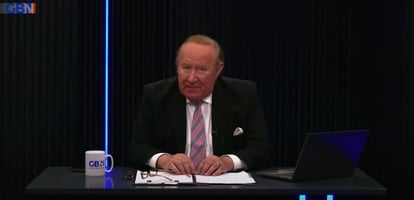
Britain’s first new television news channel for two decades launched on Sunday. GB News is a channel we have been told will set ‘a fresh agenda’ and that it will ‘give a voice to those who have been side-lined’.

It is not often tennis features in this media training blog. But Naomi Osaka’s decision not to speak to the media after matches during the French Open produced an avalanche of media coverage.
How would you respond to a question that asked you to comment on one of your competitors? Maybe you think their product is inferior – would you take the opportunity to bash them?
We’ve written before in our media training blogs about spokespeople who start their responses with ‘so’. It’s an infuriating habit we continue to hear in TV and radio interviews.

If you have been on one of our media training courses before, you will know that in the UK it is not advised to ask journalists for their questions ahead of an interview. It is an approach that is likely to make journalists suspicious the spokesperson, and their organisation, has something to hide.

We like to keep a close eye on all the big stories at Media First towers. And, at the moment, they don’t seem to be much bigger than two of the nation’s best-known retailers slugging it out over a chocolate cake.

How much do we know about the way covid has changed the media landscape? We’ve all seen a change in the way news is brought into our homes, with remote interviews carried out on Zoom at least temporarily replacing face-to-face ones.

When the covid pandemic first struck, everything moved online overnight. Meetings that would have been carried out in person were suddenly taking place on Zoom.
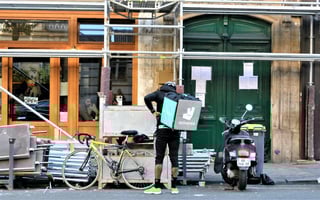
How many times do you watch or listen to a news report and find that the organisation at the centre of the coverage responds through a statement? It may not be as damaging as an adversarial “did not provide a response”, but it is not a good way to manage a negative story.

Leaking ceilings, black mould and risks of electrocution. These are just some of the living conditions highlighted by a series of TV news reports this week.
We have said many times in this blog that a crisis media management incident can come in different forms.

There is some advice we give far more often than others during our media training courses. One of our golden rules we discuss during almost every course is the importance of spokespeople not repeating the journalist’s negative language.
We have written hundreds of blogs on media training. But searching through our back catalogue recently, it became clear we have written little about trade media interviews.
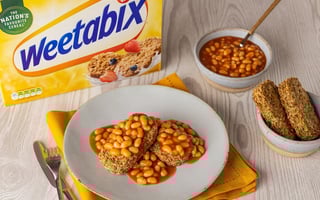
Now, we could bring you our thoughts on the latest high-profile media interview. But then we thought it would be much better if we took a look at the story that got Britain talking – whether Weetabix and Heinz baked beans are an acceptable breakfast combo.

So, who had ‘town council meeting takes internet by storm’ on their 2021 bingo card? Just when you think things can’t get any more bizarre, footage from an obscure meeting went viral and resulted in extensive media coverage.
One of the benefits of the lockdown and working from home is I get to see and hear more media interviews. Not only does this help with inspiration for this media training blog but, with my headphones in, I can also largely ignore the home-schooling carnage erupting around me.

So, now we know what it looks like when a spokesperson effectively walks out of a remote interview.

Every time the Prime Minister announces he is holding a press conference on the latest pandemic developments, our social media timeline is filled with people playing ‘Boris Briefing Bingo’.
.jpg?height=200&name=zoo%20(1).jpg)
We've reached day four of our guide to the spokespeople and interviews that stood out for the right reasons this year.
.jpg?height=200&name=rashford%20(1).jpg)
We've reached day three in our look back at the spokespeople who got right in 2020. There has been a scientific feel to our selections so far, with professors Jonathan Van-Tam and Sarah Gilbert included in the first two days.
We’ve already put together our compilation of the worst interviews of the year, and will also be showcasing the 10 worst interviews from the past decade.
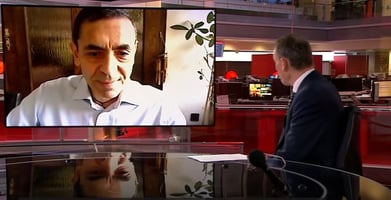
We've reached the final day of our look back at the best interviews and spokespeople of 2020. We have already highlighted the excellent performances of Jonathan Van-Tam, Sarah Gilbert, Marcus Rashford and Andy Hall.
Delegates on our media training courses often fear a Jeremy Paxman style interview. The former Newsnight presenter’s reputation for challenging interviews and fearsome questions remains intact despite his retirement.
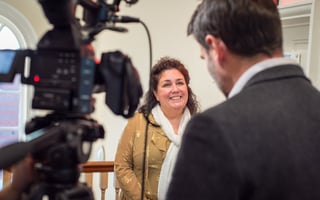
Have you ever wondered exactly what you would learn on a media training course? Would it be beneficial to hear from some recent delegates about what they took from the training and how they believe it will help them in their daily work?
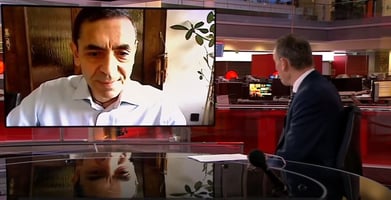
We always stress the importance of personal examples, anecdotes and stories in interviews on our media training courses.

“Cold, calculated, evasive answers.” “Sounding like a robot. Not answering questions.” These are just some of the criticisms we saw on social media about one spokesperson’s performance during a TV interview last week

Criticising the journalist. Complaining about tough questions. And walking out before it ended. It’s no wonder that Donald Trump’s 60 Minutes interview has been dominating the news.
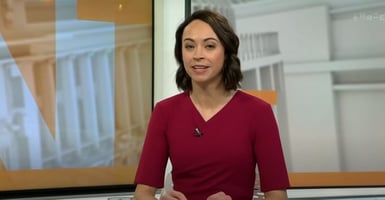
Delegates on our media training courses often fear they are going to be put through a Jeremy Paxman style interrogation. Others worry about facing combative interviews from the likes of Nick Ferrari, Kay Burley and Eddie Mair.

How about this for an approach to dealing with journalists – don’t deal with them at all? If that seems odd – and perhaps something you would not expect to read in this media training blog – it is worth considering that this strategy seems to have been adopted by Tesla, the world’s most valuable car maker.
