.png?width=147&height=56&name=image%20(1).png)




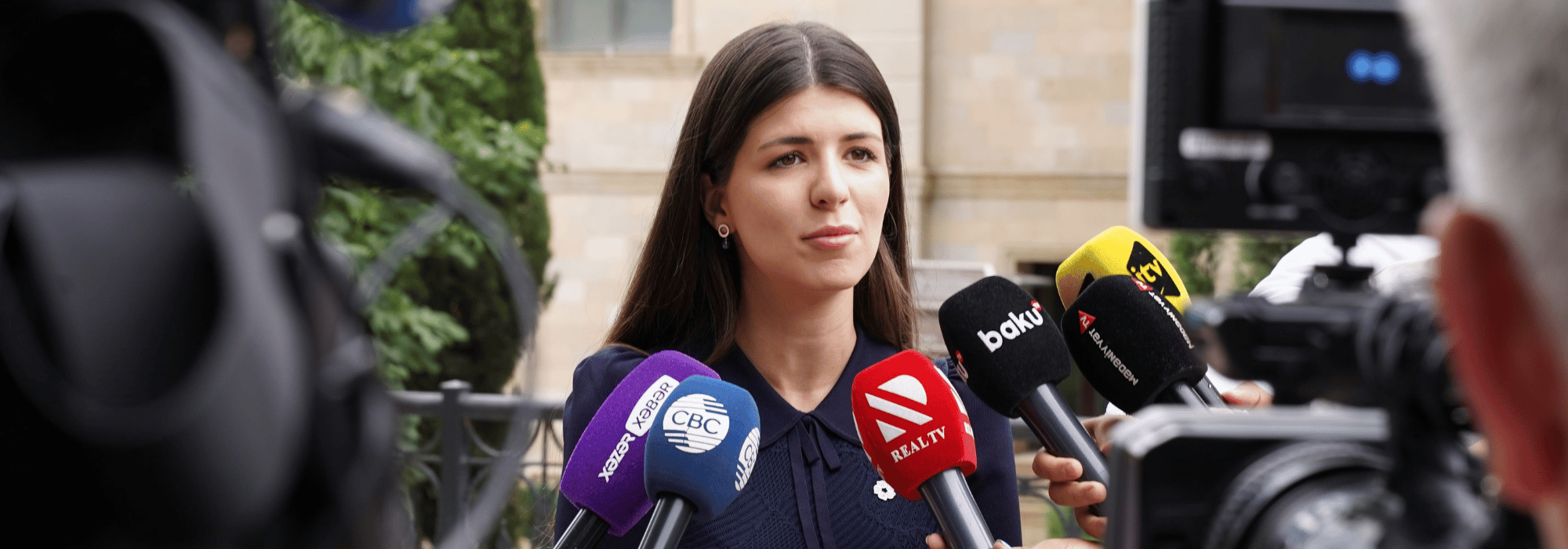
Manage the situation, not just the message.
A crisis is a leadership, operational, decision-making and communication challenge that plays out in public.
Our crisis management training prepares leadership and incident teams to activate plans, make decisions under pressure, coordinate a response and protect reputation while the situation is still moving.
REPUTATION MANAGEMENT
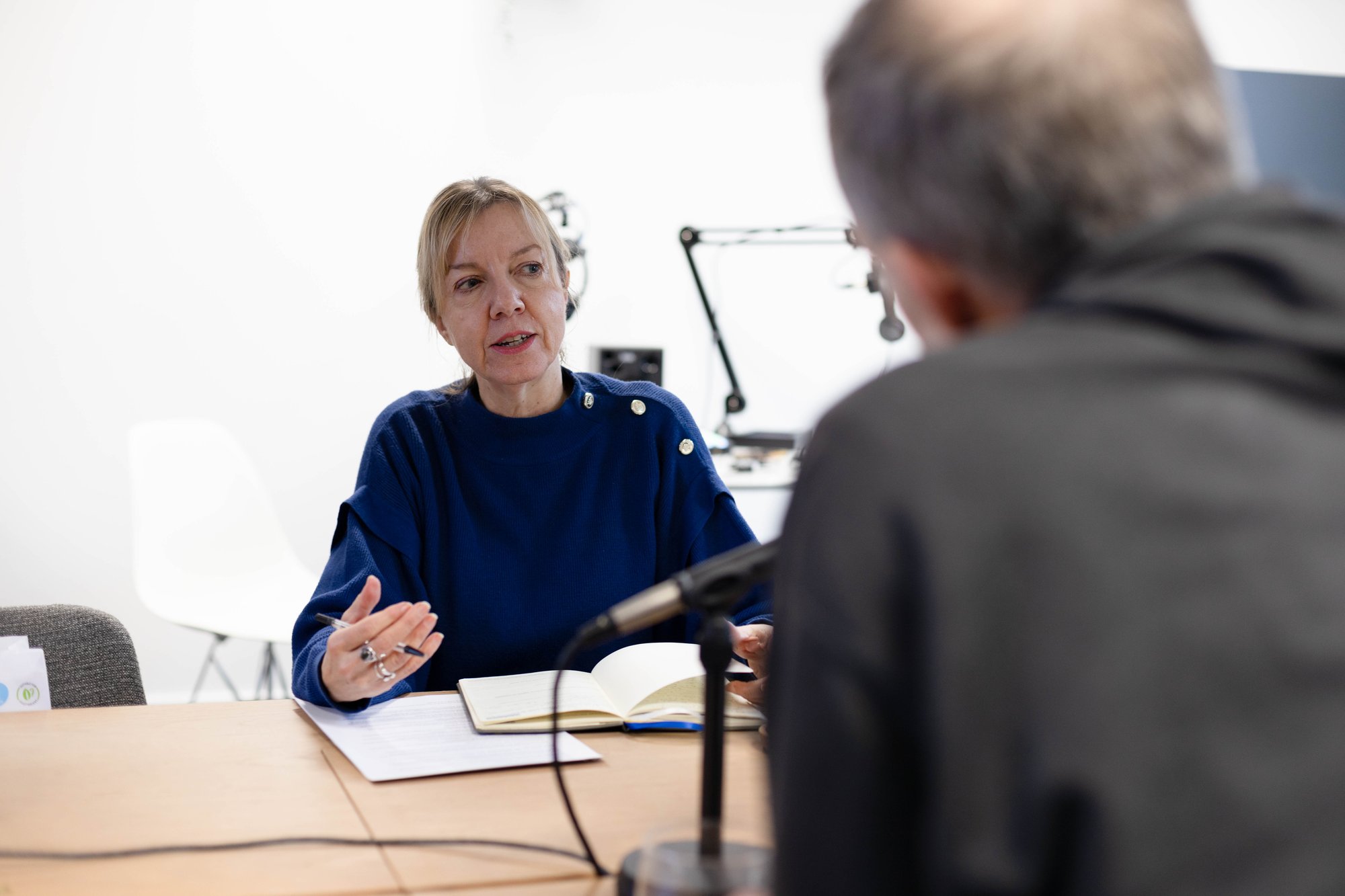
Protect and strengthen your reputation when it matters most
A crisis can quickly affect how your organisation is perceived by customers, employees, the media and other key audiences. Our reputation management approach helps you prepare for reputational risks, respond confidently when challenges arise and protect trust in your organisation. From managing difficult media coverage to communicating clearly during periods of uncertainty, we help you take control of the story and protect your reputation.
WHY IT MATTERS
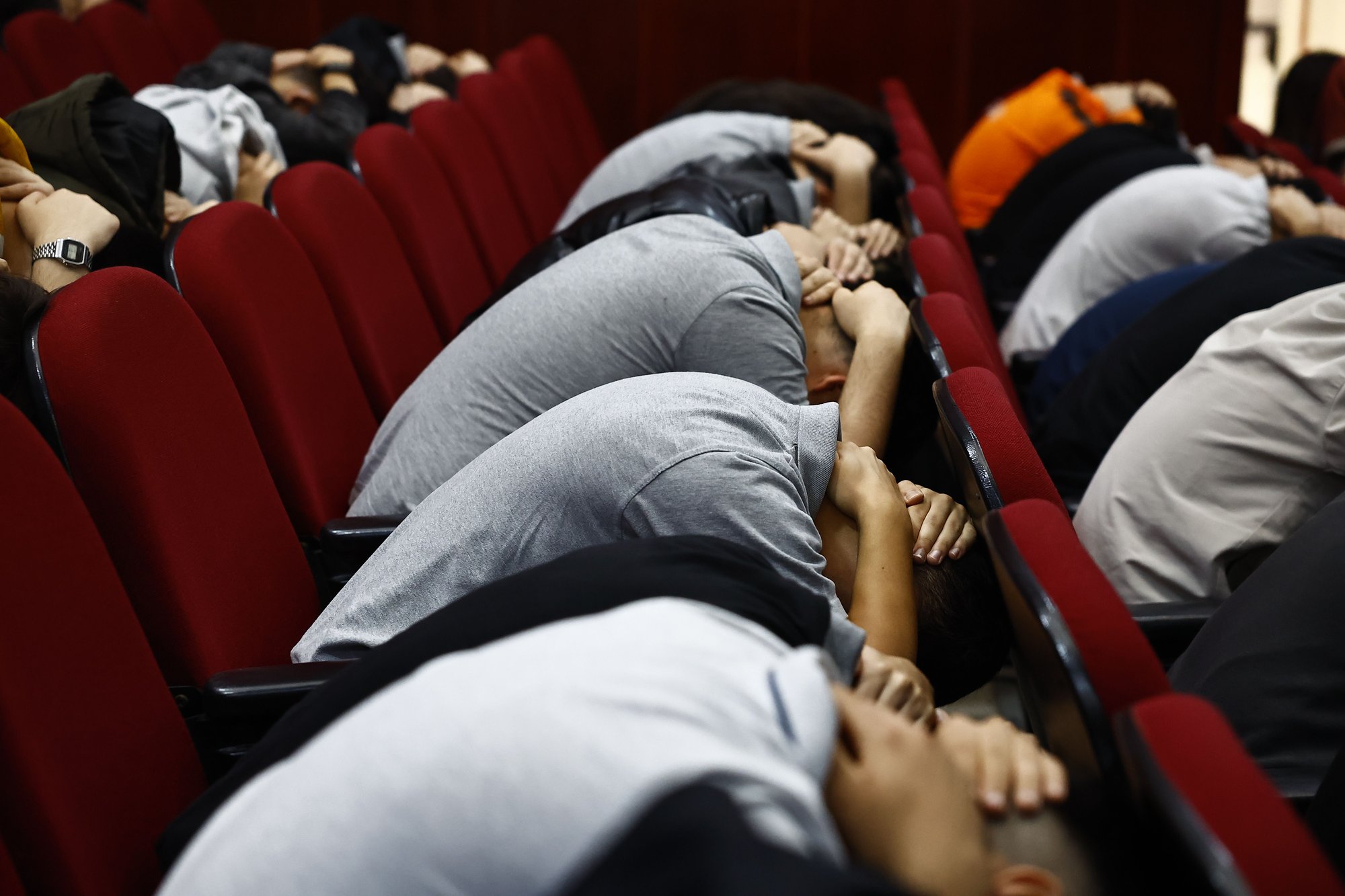
Most teams have a plan. Far fewer have practised it.
Crisis plans are often written once, approved and filed.
When something happens, teams discover that roles are unclear, escalation is slow, information is incomplete and decisions take longer than they should.
Training gives your team the chance to find that out in a safe environment, not during a live incident.
Crisis Team Roles & Structure
Clarify who does what when an incident is declared.
Define roles, decision rights, escalation routes and the structure of your crisis team so nothing is left to chance.
Decision-Making Under Pressure
Practise making decisions with incomplete information and against the clock.
Understand the biases and pressures that affect judgement in fast-moving situations.
Incident Management & Battle Rhythm
Establish meeting cycles, information flows, logging and situation reporting.
Keep the response coordinated as an incident unfolds over hours or days.
Reputation & Stakeholder Impact
Consider the reputational consequences of operational decisions.
Bring communications into the decision-making room, not the end of the process.
HOW WE WORK
A simple, proven approach.
Every training course is tailored to your objectives, audience and availability.
Understand
We review your plans, structures and previous incidents to understand where the pressure points are.
Train
Practical sessions and realistic scenarios that build decision-making and coordination skills.
Embed
Clear feedback, recommendations and follow-up so improvements stick.
WHAT PARTICIPANTS LEARN
Skills your team can use on day one.
Activating the Plan
Recognise when to declare an incident and how to mobilise the team quickly.
Situational Awareness
Build and maintain a shared, accurate picture of a fast-moving situation.
Prioritisation
Focus on what matters most when everything feels urgent.
Logging & Records
Capture decisions and rationale for later scrutiny, regulators and inquiries.
Stakeholder Mapping
Identify who needs to hear what, from whom and when.
Working With Comms
Align operational decisions with the messages your organisation is giving.
Handover & Endurance
Sustain a response over long periods without losing quality or people.
Recovery & Learning
Stand down effectively and capture lessons that improve future responses.
AFTER THE TRAINING
Support that continues beyond the session.
Participants leave with practical tools, personalised feedback and ongoing resources designed to reinforce learning.
-
Written feedback and recommendations for your crisis team
-
Observations on plans, structures and decision-making
-
30 days' complimentary access to Thirty Seven – our AI-powered communication coach
-
12 months' access to our private learning area and online resources

Trusted by leaders, experts and
high-performing teams.
From boardrooms and conference stages to pitches and virtual events, thousands of
delegates have used our presentation and impact training to communicate with more
confidence, clarity and influence. Here is what some of them say about the experience.

View over 1,700 customer reviews on Coursecheck
“As we've come to expect from Media First, their contribution was incredibly professional, well thought out and extremely well executed. The expertise of their journalists really helped the scenario come alive and provided some valuable lessons which we have been able to fit directly into our future planned crisis response.”
“Intense and beyond worth it. It expands your mind and helps you think about how we effectively communicate in both positive and crisis situations.”
“Brilliant prep for everything the media can throw at us. Clear actionable and honest feedback on spokesperson skills and areas to improve. Feel much more confident now. Thank you!”
“Simulates media and crisis situations well and provides key tools to manage high pressure media situations Thank you”
“Excellent reality check - it’s a real game changer in how I’d handle potentially challenging and hostile questioning. How to manage the interview and control the narrative.”
“Really helpful and I feel more confident and equipped for the future.”
WHAT ARE MY TRAINING OPTIONS
Flexible delivery to
suit your organisation.
Every programme is tailored to your objectives, audience and availability.

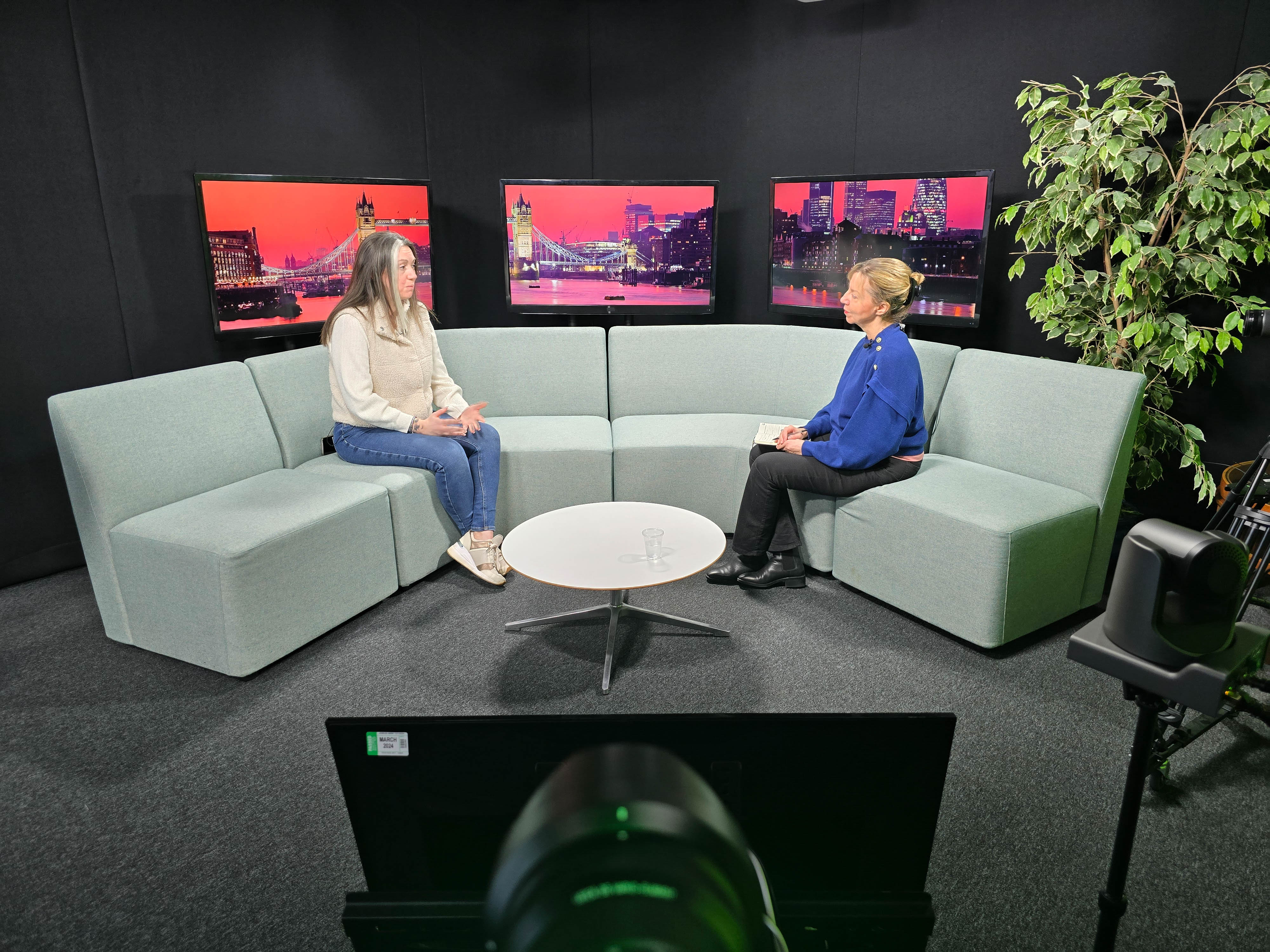
In person training
At your offices or in professional studios across the UK.
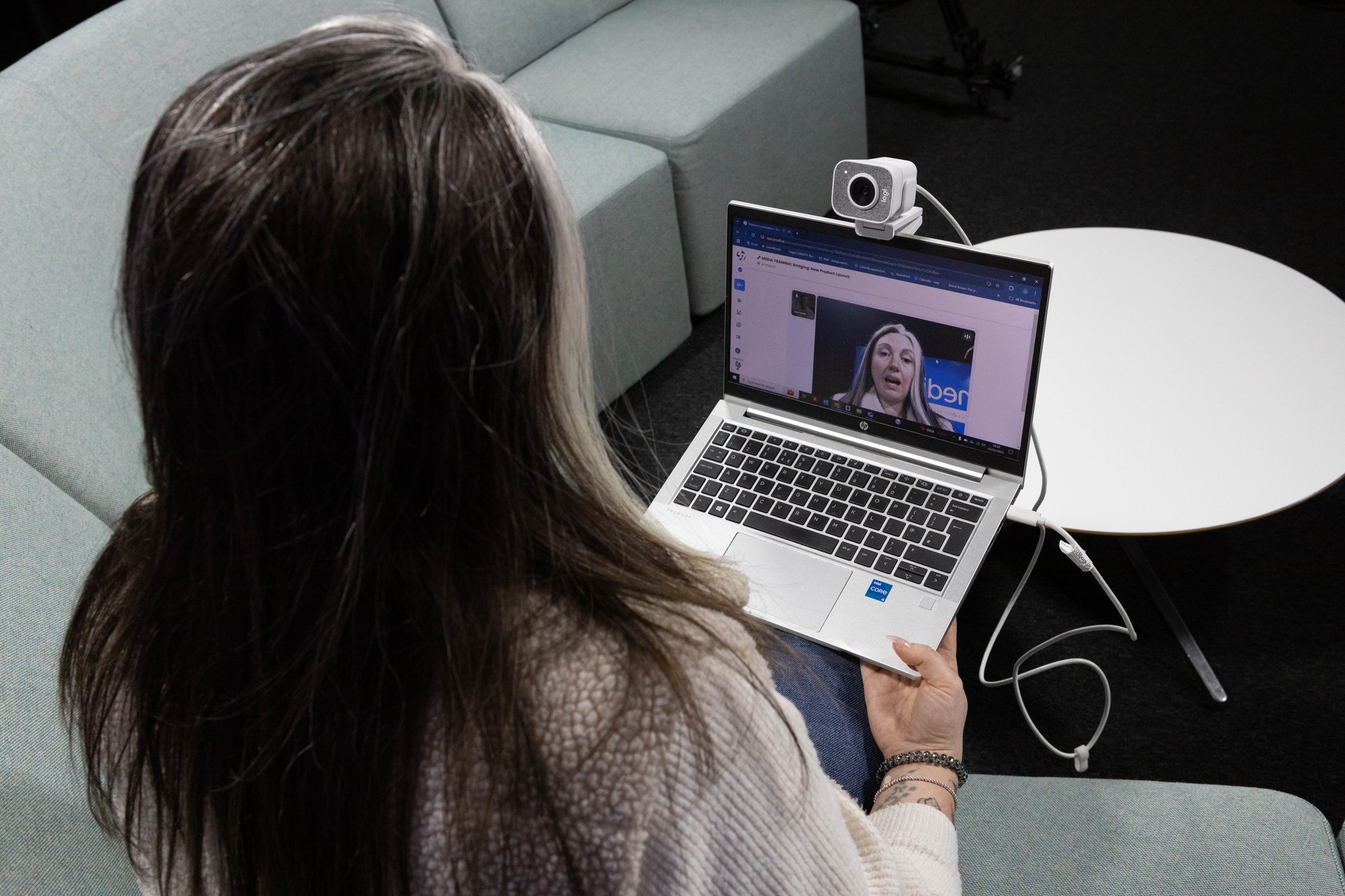
Online training
Live, interactive sessions delivered wherever your people are.
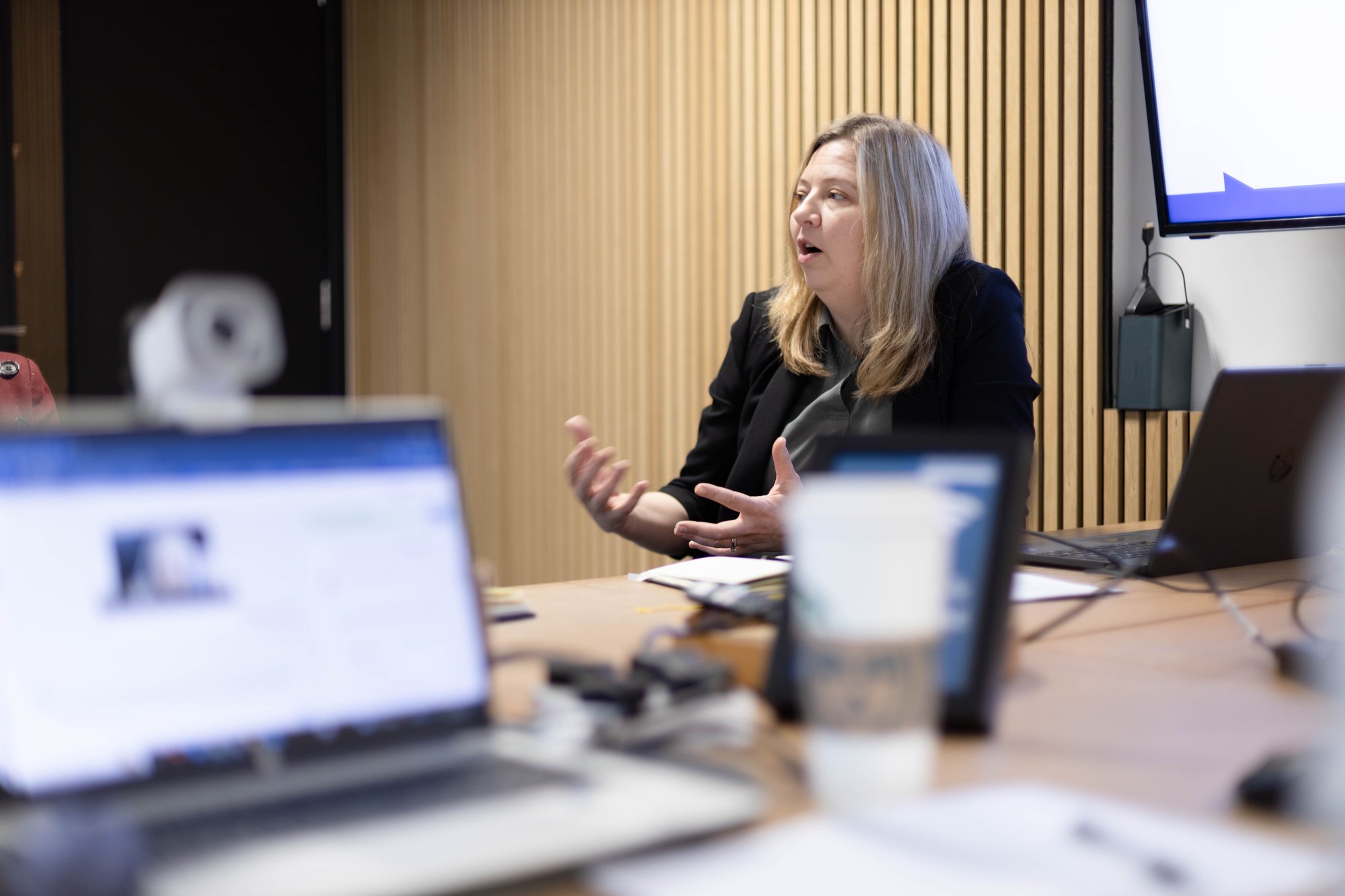
Blended learning
A mix of live delivery, practice and ongoing digital resources.
FAQS
Frequently asked
questions.
How is crisis management training different from crisis communications training?
Crisis communications training focuses on what an organisation says during a crisis.
Crisis management training focuses on how the organisation responds.
Communication is a critical component of crisis management, but effective responses also depend on leadership, decision-making, coordination, escalation procedures, stakeholder management and team performance under pressure. Many organisations choose to combine both forms of training to build broader organisational capability.
Who should attend crisis management training?
The training is typically designed for senior leaders, incident response teams, operational managers, risk specialists and others who may be involved in leading or coordinating a response to a serious issue.
Different organisations have different structures, which is why every programme is tailored around the people who are likely to make decisions, manage resources, assess risks and guide the wider response when an incident occurs.
Can senior leaders and executive teams be trained separately?
Absolutely.
Senior leaders often face different challenges from operational teams. They may need to make strategic decisions, provide organisational direction, manage stakeholder expectations and maintain confidence during periods of uncertainty.
We frequently deliver dedicated leadership-focused programmes, executive workshops and scenario-based sessions designed specifically for senior teams. Training can also be integrated with wider crisis management programmes where appropriate.
Can crisis management training help improve decision-making under pressure?
Yes.
One of the biggest challenges during a crisis is making effective decisions when information is limited, incomplete or changing rapidly.
Training provides a safe environment in which participants can practise assessing information, balancing competing priorities, managing uncertainty and making decisions while under realistic levels of pressure. The objective is to increase confidence, improve judgement and strengthen organisational resilience.
Can the training be based on our plans and risks?
Yes.
Every programme is bespoke and can be built around your organisation, your existing plans, your escalation procedures and the issues most likely to affect your business.
This creates a more realistic learning experience and helps participants explore how they would respond to situations they may genuinely face rather than relying on generic examples.
How is crisis management training different from a crisis simulation or exercise?
Training develops capability. Exercises test capability.
Crisis management training focuses on helping individuals and teams understand their roles, build confidence and develop the skills needed to respond effectively.
Exercises and simulations are designed to test plans, processes, assumptions and organisational readiness in realistic conditions. Many organisations combine training, exercises and consultancy support to build stronger crisis capability.
LET'S TALK
Is your crisis team ready?
Tell us about your organisation, your plans and your risks and
we'll design a crisis management course around them.