Media training for moments that matter.
Media interviews can shape reputation, influence stakeholder confidence and determine how organisations are perceived during important moments.
Media First helps spokespeople, leaders and subject matter experts communicate clearly, confidently and credibly when facing journalists, difficult questions and public scrutiny.
Through realistic interviews, expert coaching and practical feedback, we help people perform at their best when it matters most.
Media training for moments that matter .
Every training course is tailored to the organisation, the participants and the scenarios they are most likely to encounter – from reputation challenges and crisis situations to broadcast interviews, stakeholder scrutiny and major announcements.
Spokesperson Training
Prepare designated spokespeople to deliver interviews with confidence, clarity and credibility.
Develop practical interview skills and message discipline that help representatives perform at their best under scrutiny.
Executive Media Training
Help senior leaders handle media attention, difficult questioning and public scrutiny.
Build confidence in communicating complex issues and representing the organisation during important moments.
Crisis Media Training
Prepare spokespeople for high-pressure interviews during crises, incidents and reputation challenges.
Practise responding to difficult questions while maintaining confidence, clarity and stakeholder trust.
Broadcast & On-Camera Training
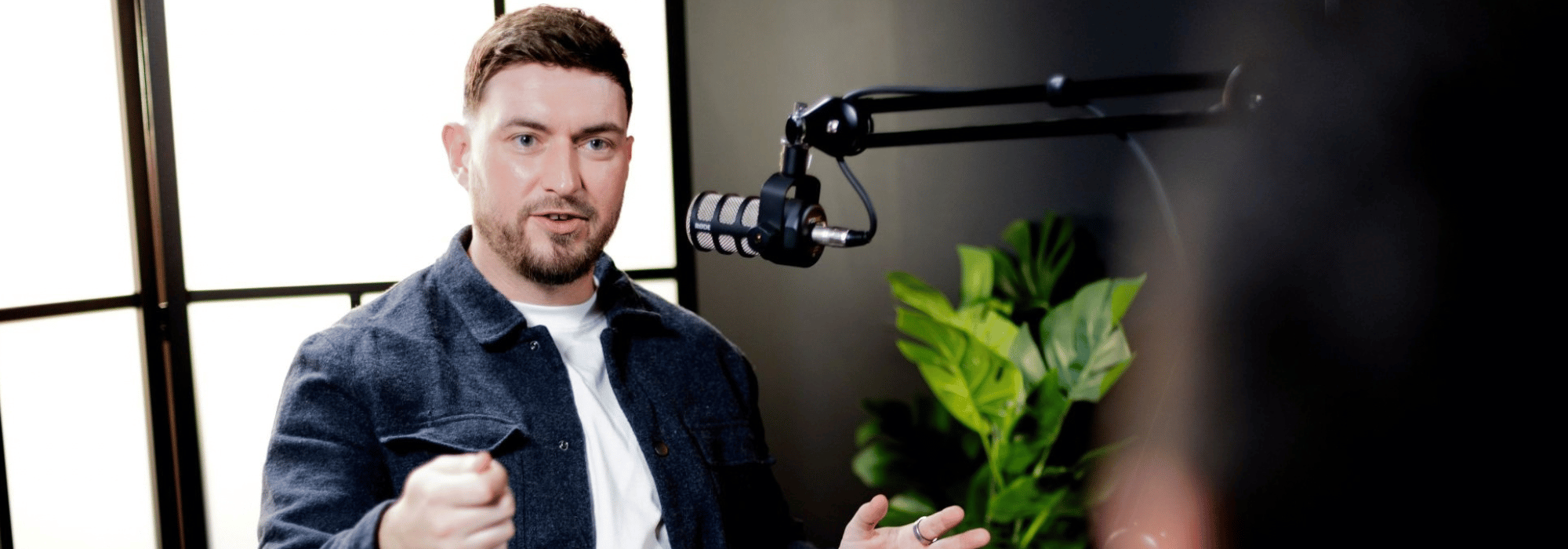
Develop confidence and impact across television, radio, podcasts and video interviews.
Learn techniques that help participants communicate naturally and effectively during recorded and live broadcast sessions.
WHY IT WORKS
Confidence comes from realistic practice.
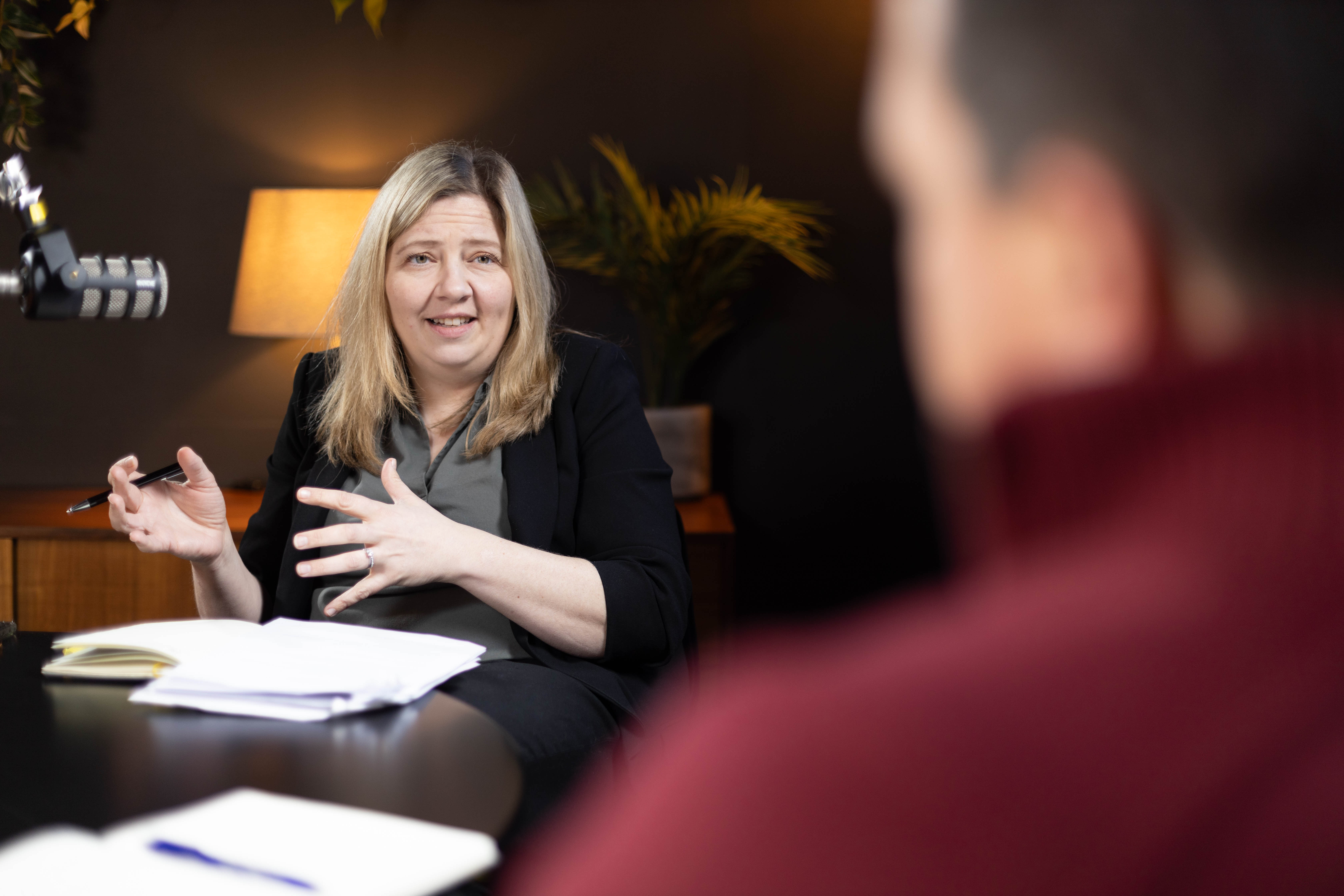
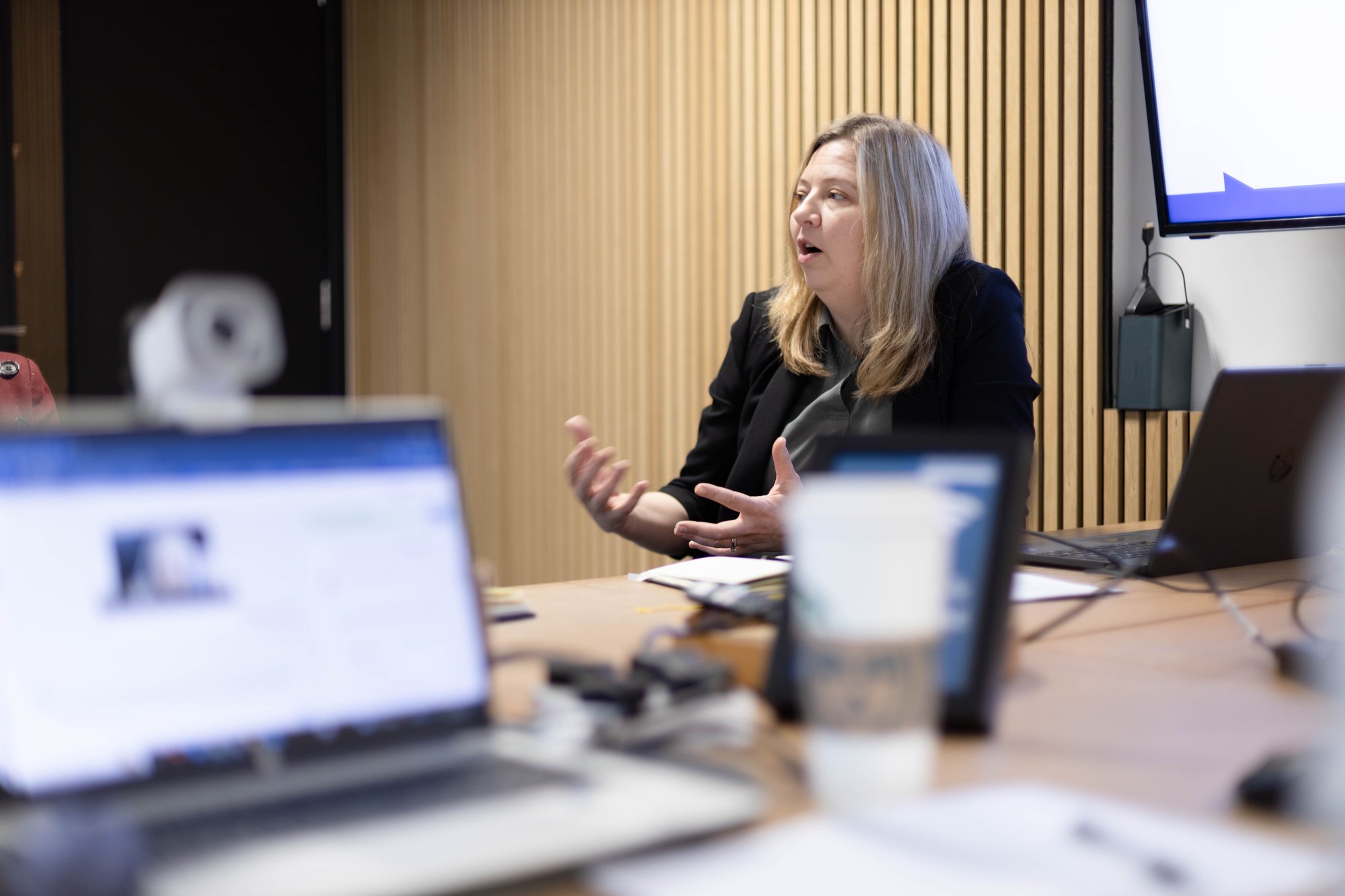
Participants learn through realistic interviews, challenging questions, practical exercises, and expert feedback from current and former journalists who understand the pressures and demands of modern media interviews.
Whether preparing for a high-profile interview, responding to a developing issue or building long-term spokesperson capability, we help people communicate with confidence when the spotlight is on them.
WHAT PARTICIPANTS LEARN
Skills that hold up under scrutiny.
Realistic Interviews
Prepare for the types of questions journalists are most likely to ask.
Message Development
Learn how to deliver clear, memorable messages that survive scrutiny.
Difficult Questions
Build confidence handling challenging interviews and unexpected questions.
On-Camera Confidence
Develop a natural, credible and authentic interview style.
Media Understanding
Understand how journalists work and what they need from interviews.
Reputation Protection
Communicate effectively during both opportunities and high-pressure situations.
OUR STUDIOS
Realistic practice.
Greater confidence.
We believe people perform better when they have practised for the moment.
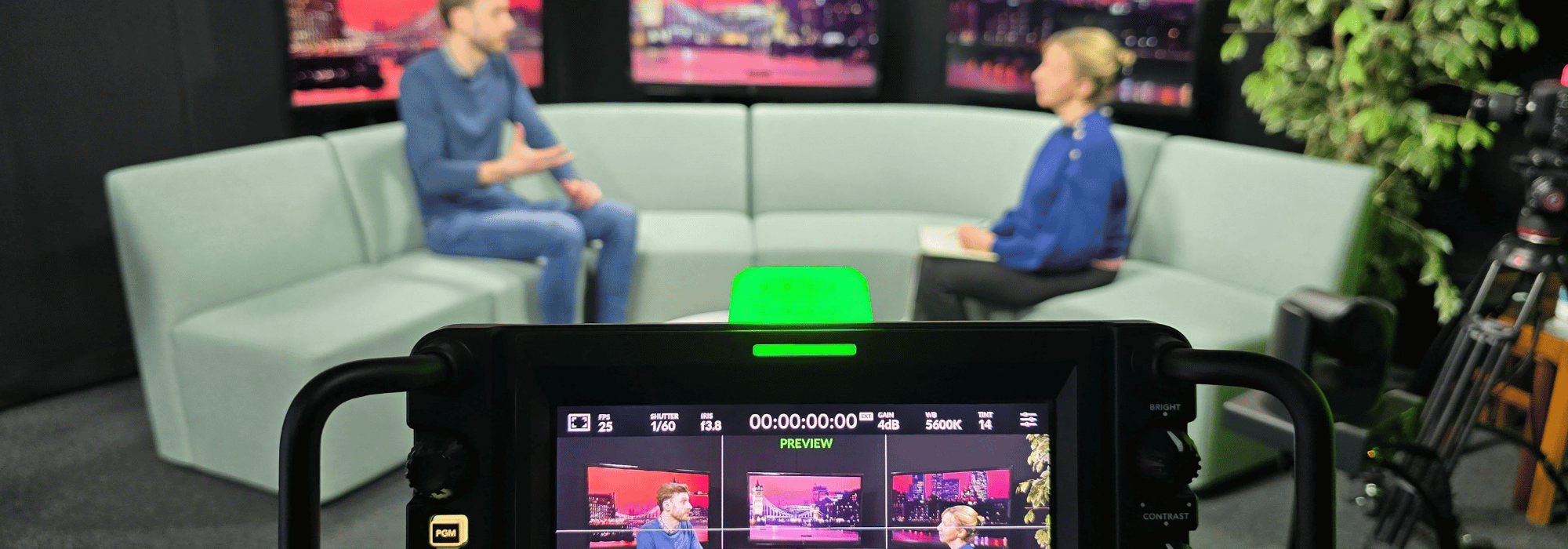
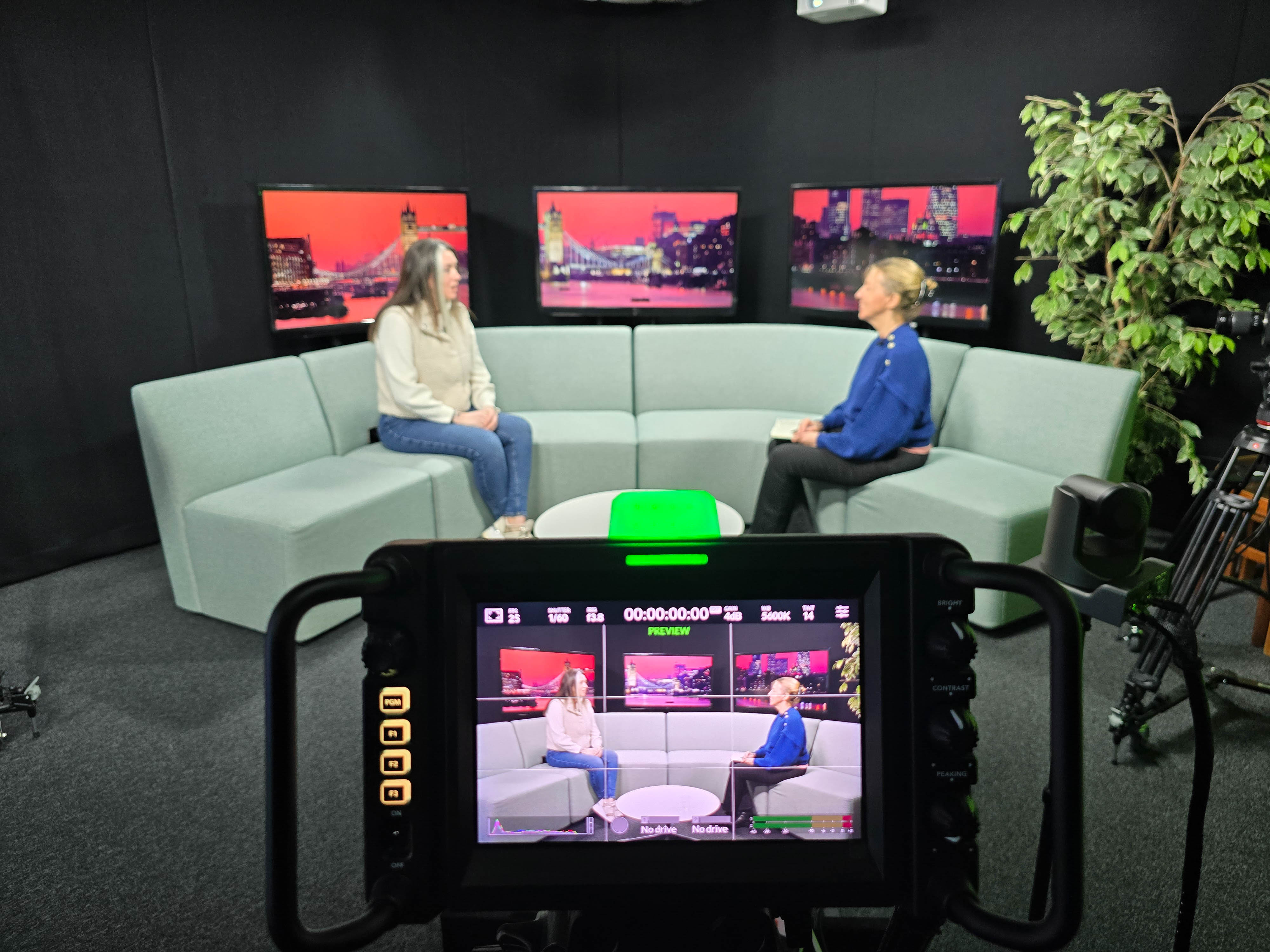
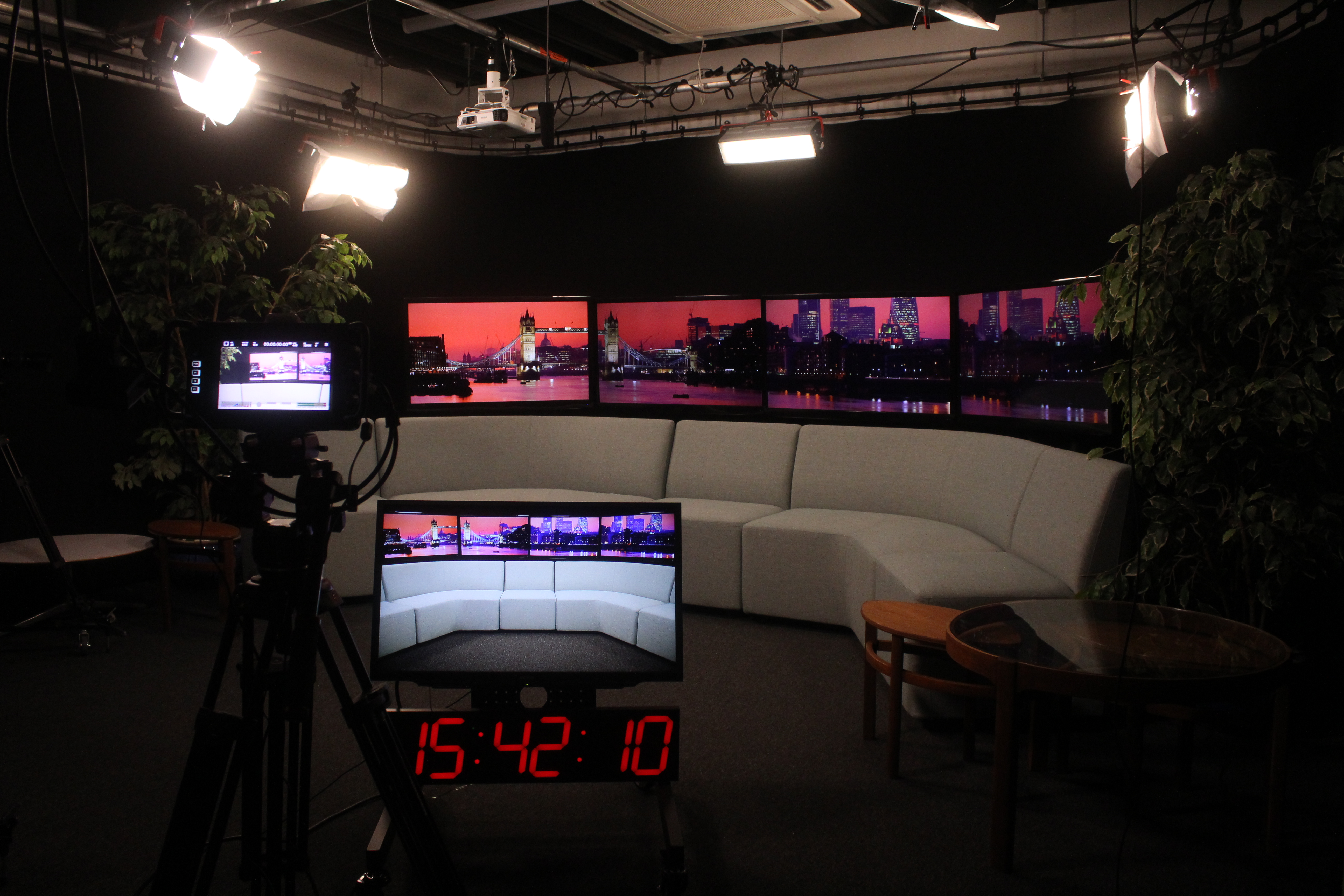
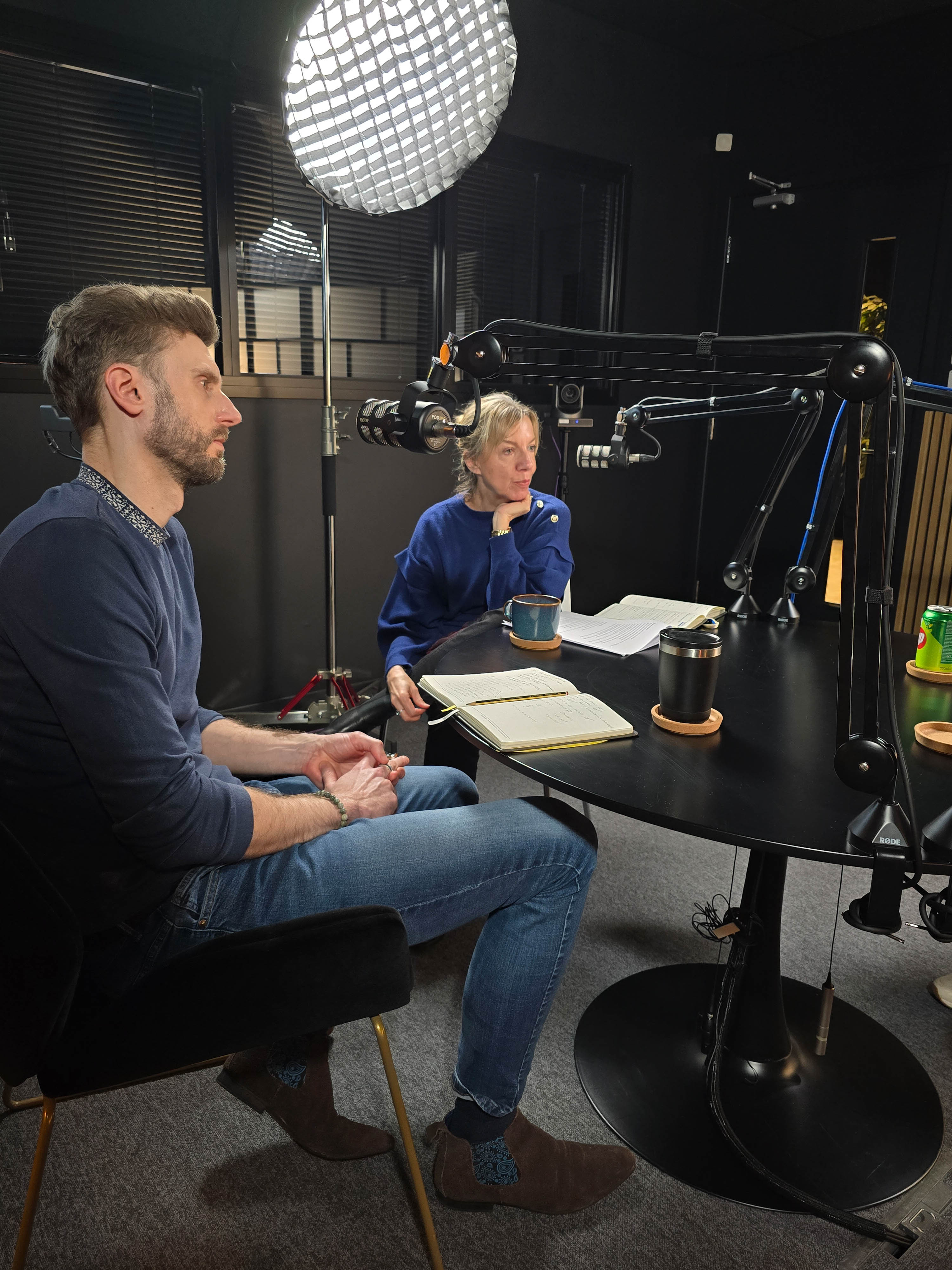
Courses can take place online, at your offices or in professional broadcast studios across the UK.
Depending on the training course objectives, participants can experience realistic television, radio, podcast, and video interview environments that mirror situations they may face in the real world.
Combined with interviews conducted by current and former journalists, these realistic scenarios help participants experience the pressures, pace and unpredictability of media interviews before they face them for real.
The result is greater confidence, stronger performance and better communication when scrutiny is highest.
AFTER THE TRAINING
More than just a training day.
Effective media training courses don't stop when the session ends.
Participants leave with personalised feedback, practical resources and ongoing support designed to reinforce learning and build long-term confidence.
Detailed written feedback report
Receive a comprehensive report outlining key observations, strengths, areas for improvement and practical recommendations.
The report provides a clear roadmap to help your team build greater confidence and capability in high-pressure communication situations.

Secure access to your training recordings
Gain secure access to the recordings captured during your training day, allowing you to review your performance whenever it suits you.
Rewatching interviews, presentations and practical exercises helps reinforce feedback, build self-awareness and accelerate improvement.
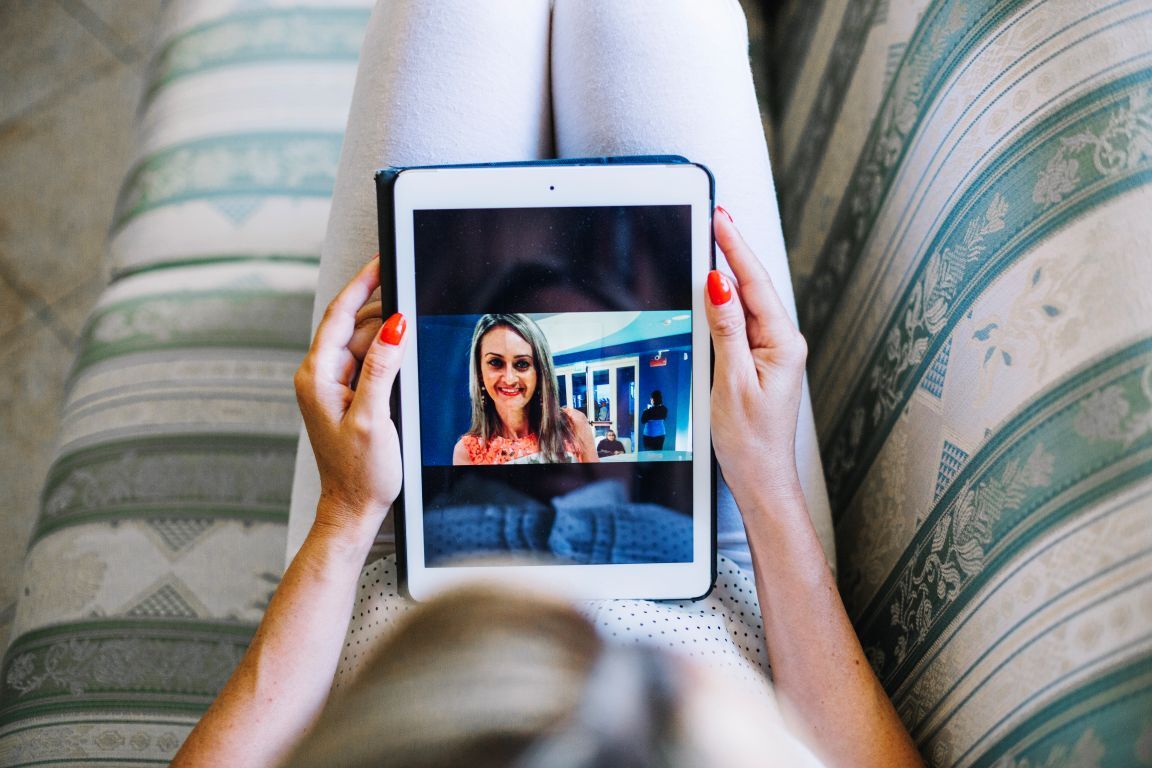
12-months' access to our private learning resources
Gain exclusive access to our members' resource library for a full year.
This includes videos, guides, checklists and other practical tools that help keep knowledge fresh and support your ongoing professional development.

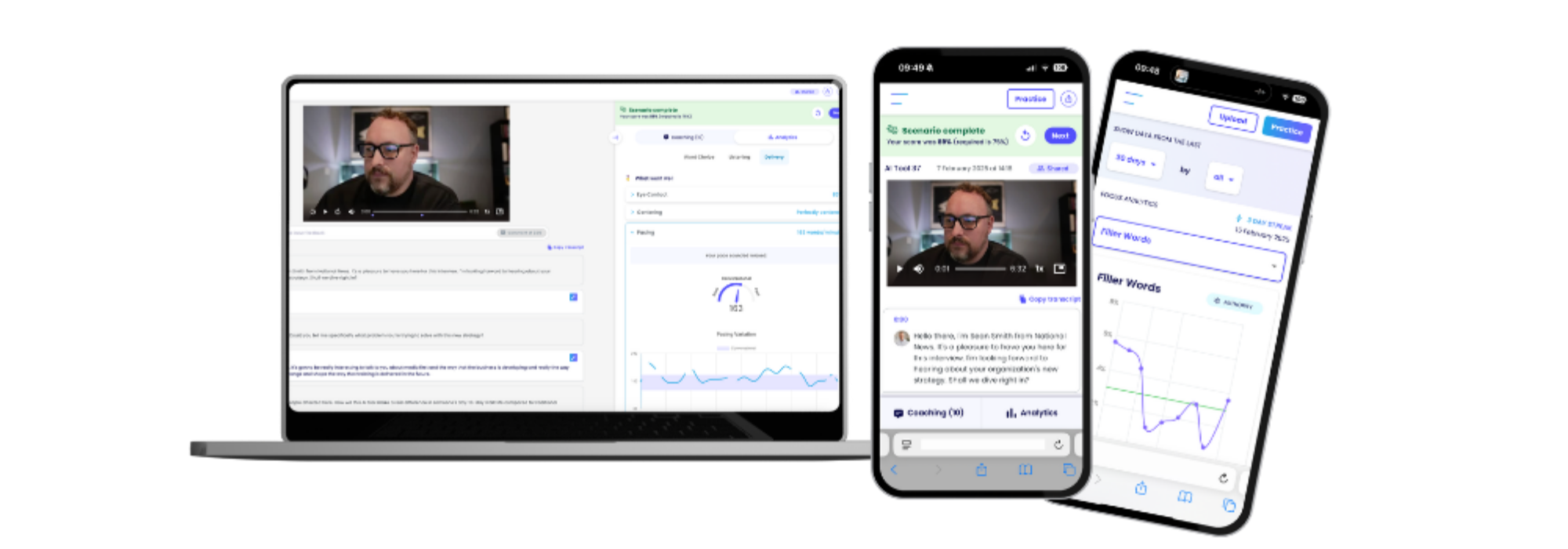
30-days' complimentary access to Thirty Seven
Enjoy free access to our AI-powered communications companion Thirty Seven for 30-days.
We give you the opportunity to continue developing your skills beyond the session. Explore expert content, practical resources and insights designed to support effective communication and crisis management.![]()

MEET SOME OF THE TRAINERS
Journalists. Broadcasters.
Communication specialists.
Our media training courses are delivered by current and former journalists, broadcasters and communication specialists who understand exactly what makes interviews succeed – and what causes them to go wrong.
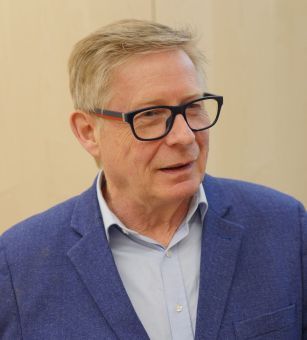
Sean Ryan
Media Training & Executive Communications
Supports organisations with media training, executive communication and spokesperson development. Drawing on more than 30 years' experience in national journalism, including senior editorial roles at The Sunday Times and The Times, Sean helps leaders communicate complex issues with confidence and clarity. Whether preparing for broadcast interviews, press scrutiny or high-profile announcements, he helps spokespeople stay on message, handle difficult questions and build credibility with audiences.
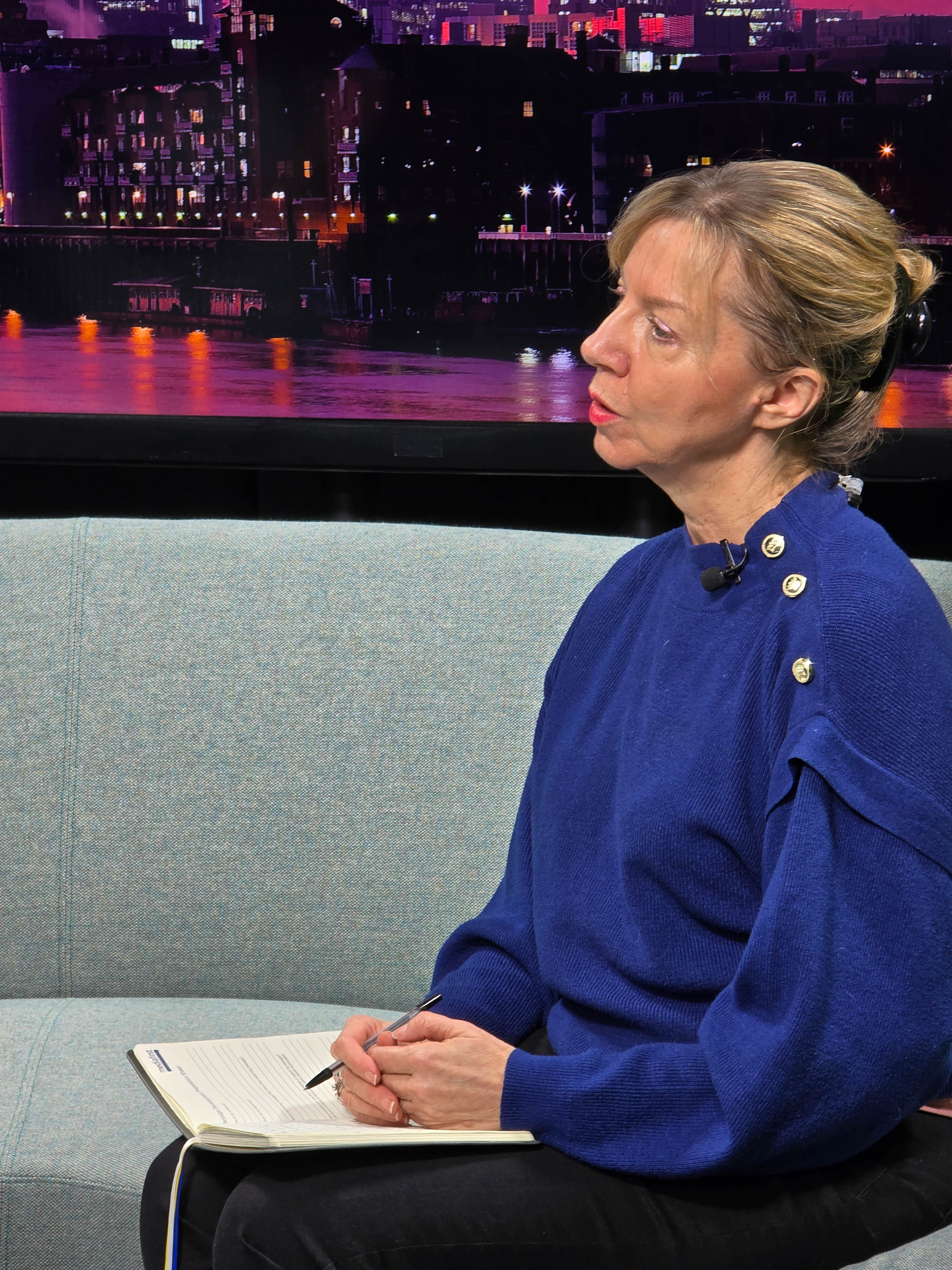
Victoria Smith
Media & Executive Communication Skills
Supports organisations with media training, executive communication, presentation skills and stakeholder engagement. Drawing on extensive experience as a TV, radio and print journalist with the BBC, ITV, Sky News and other major broadcasters, Vic helps leaders communicate complex issues with clarity, confidence and credibility, whether facing the media, speaking at events or engaging key stakeholders.
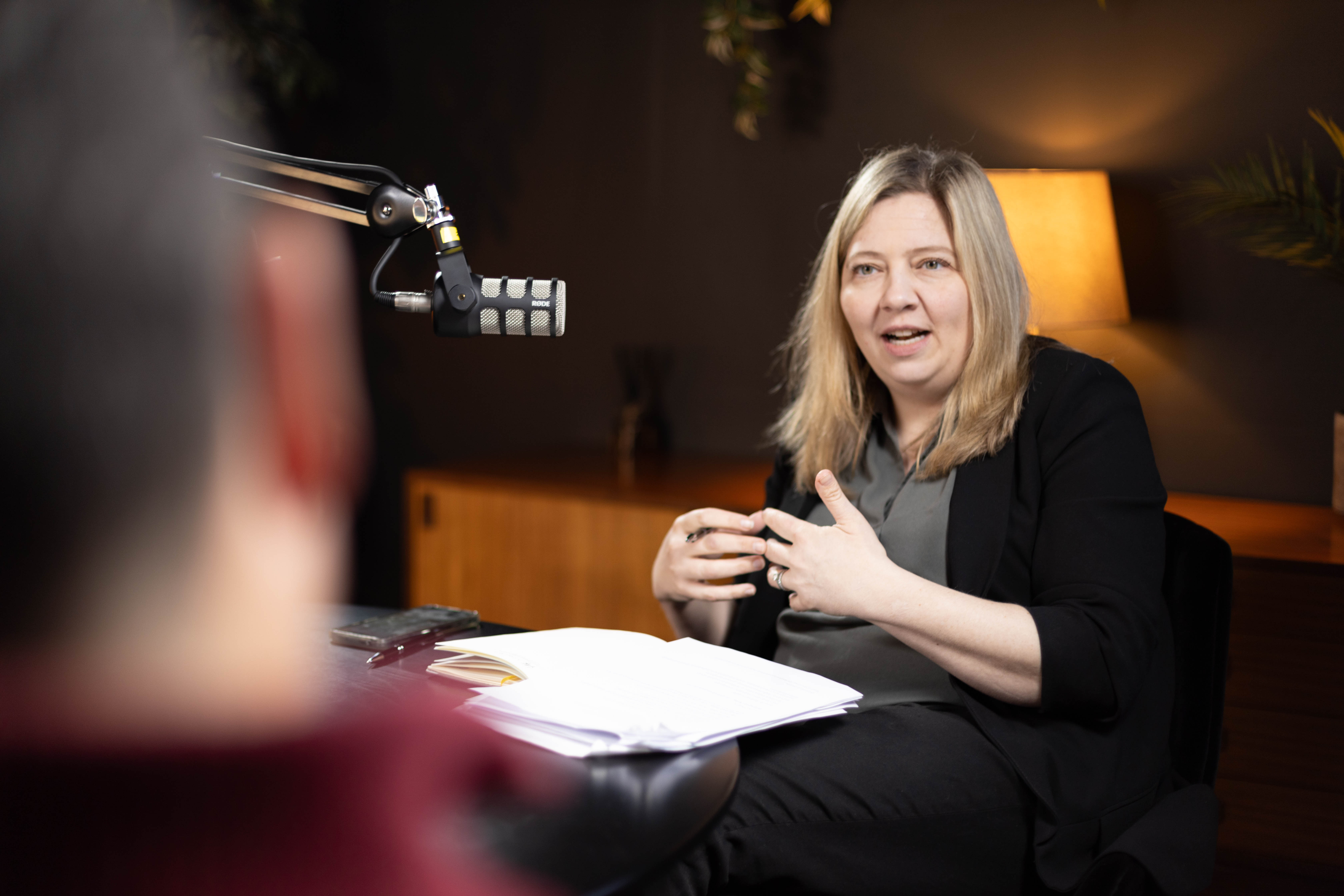
Elisa Colton
Media Training & Executive Communication
Supports organisations with media training, executive communication and spokesperson development. Drawing on nearly 20 years' experience in journalism, including senior roles at the BBC and Al Jazeera, Elisa helps leaders communicate with confidence under pressure. She specialises in preparing spokespeople for interviews, challenging questions and media scrutiny, helping them deliver clear messages and build trust with journalists and audiences.
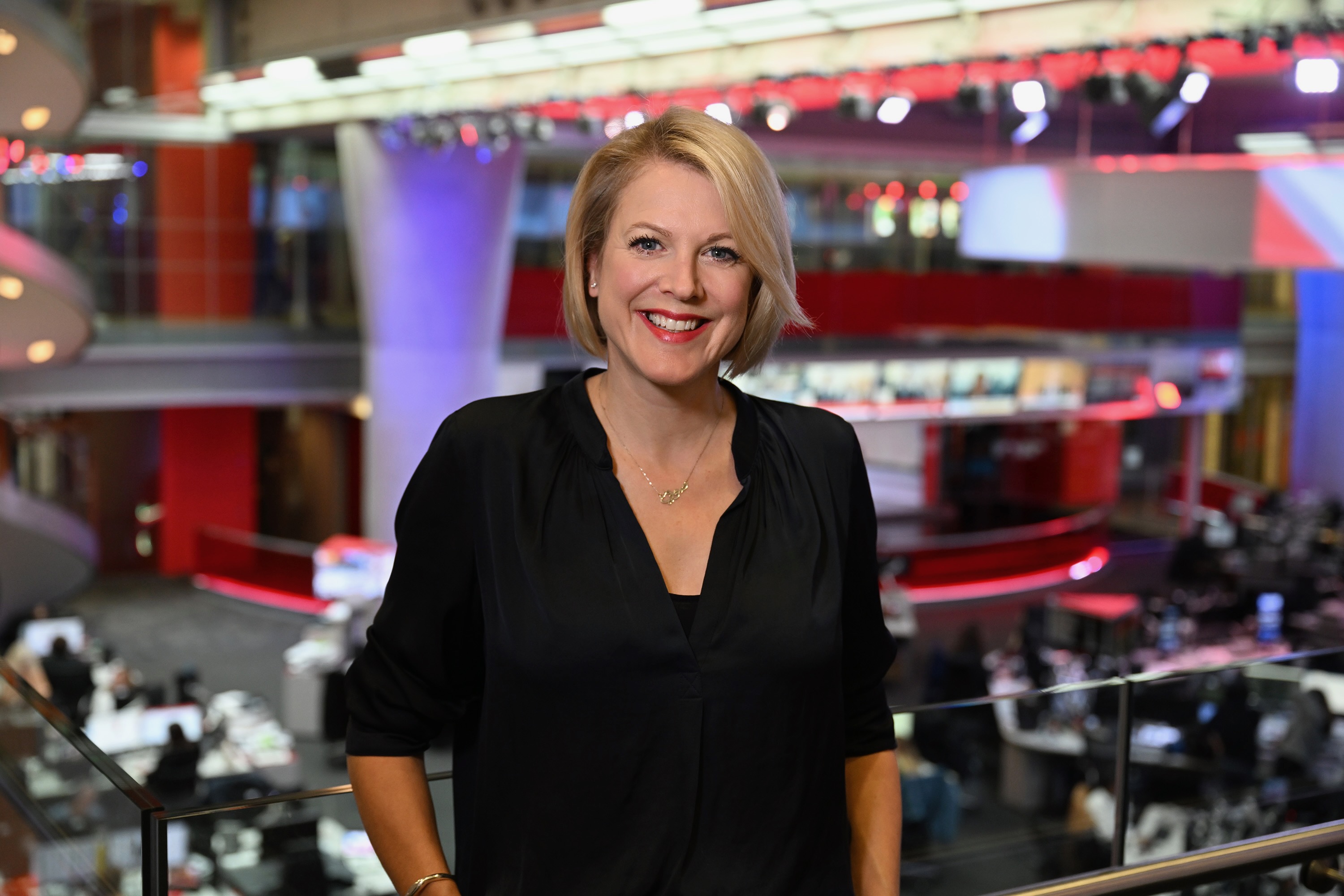
Sophie Long
Media & Communication Skills
Supports organisations with media training, executive communication and stakeholder engagement. Drawing on 25 years of broadcasting experience, including more than two decades as a BBC correspondent and anchor, Sophie helps leaders communicate with confidence, handle complex interviews and deliver clear, credible messages under pressure.
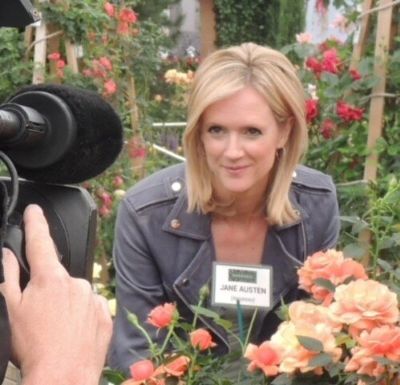
Laura Trant
Media & Presentations Skills
Supports organisations with media training, presentation skills and executive communication. Drawing on more than two decades of broadcast journalism experience, including roles as a BBC news correspondent, presenter and reporter, Laura helps spokespeople communicate with confidence, tell compelling stories and deliver clear, engaging messages across media interviews, presentations and public events.
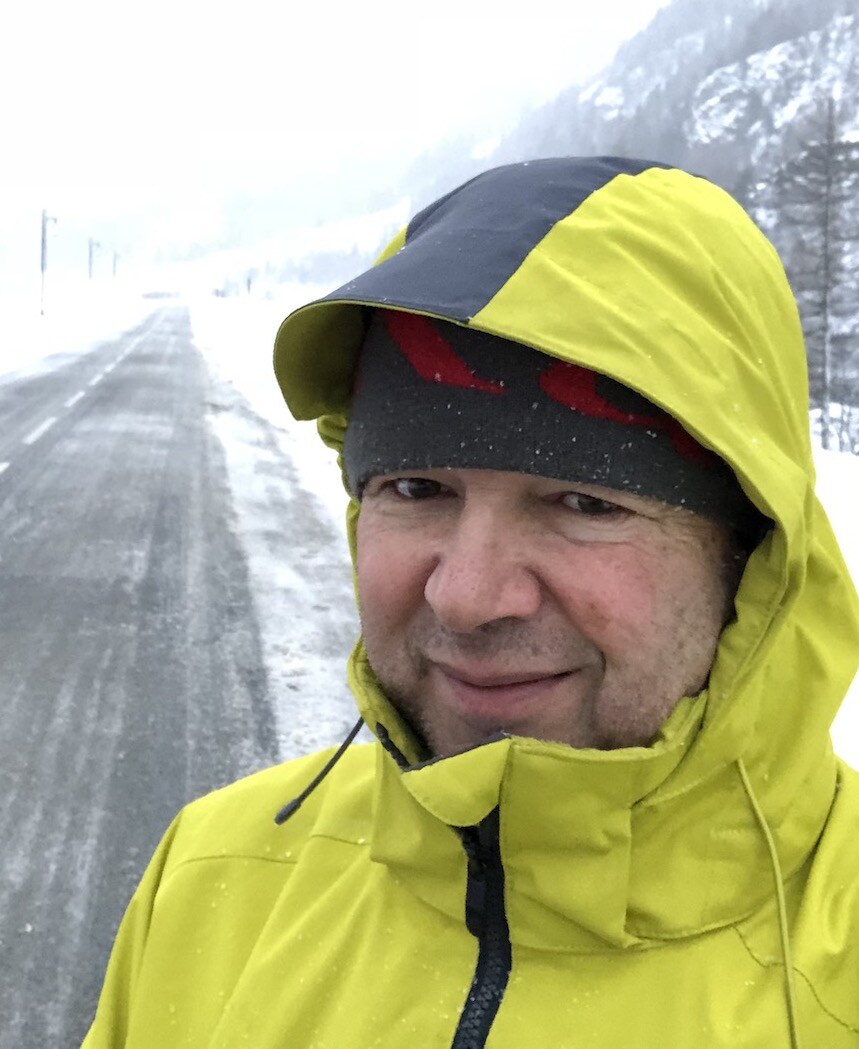
Charles Abel
Media Trainer & Trade Media Specialist
Supports organisations with media training, spokesperson development and trade media engagement. Drawing on extensive experience working with organisations facing media scrutiny and reputational challenges, Charles helps spokespeople communicate clearly and confidently. He is particularly skilled at preparing experts for print interviews, trade press opportunities and journalist briefings, helping them tell their story effectively and build credibility with key audiences.
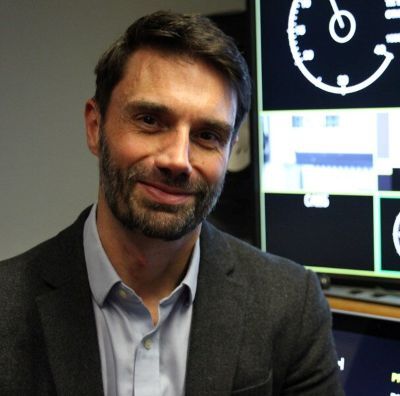
Paul Brennan
Media & Communication Skills
Supports organisations with media training, presentation skills and executive communication. Drawing on extensive experience as a broadcast journalist, presenter and producer, Paul helps leaders communicate with clarity, confidence and authority, whether handling media interviews, presenting to stakeholders or delivering key messages under pressure.
Tasneem Siddiqi
Media & Communication Skills
Supports organisations with presentation skills, executive communication and media training. Drawing on a 30-year career in television and radio journalism, including roles with the BBC and BFBS, Tasneem helps leaders communicate with confidence, increase their impact and build stronger connections with audiences.
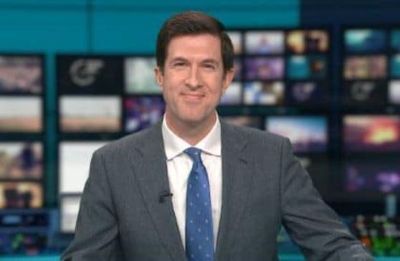
Mark McQuillan
Media & Executive Communication Skills
Supports organisations with executive communication, media training and leadership presence. Drawing on extensive experience as a broadcast journalist, presenter and communications coach, Mark helps senior leaders communicate with clarity, confidence and credibility in high-pressure, high-visibility environments.
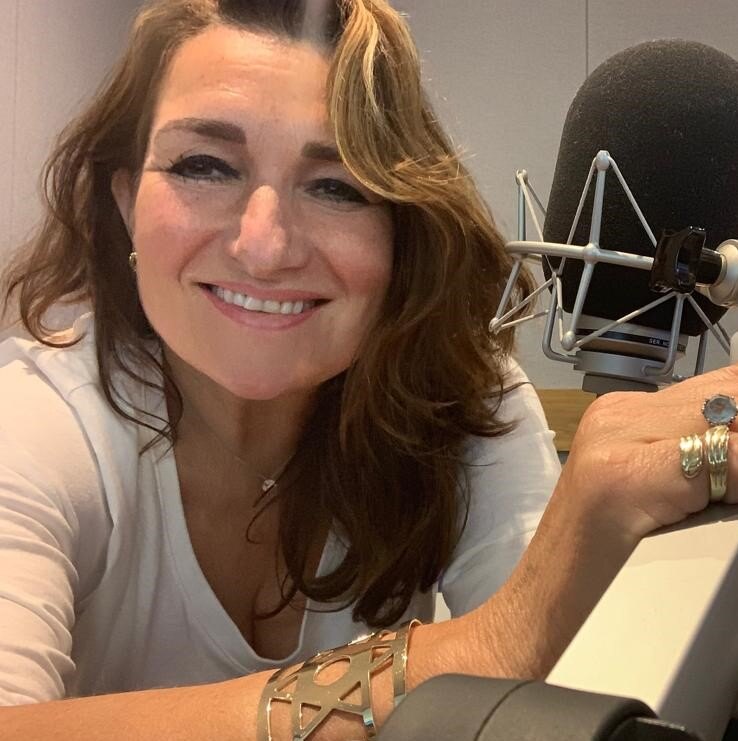
Susan Bookbinder
Media, Presentations & Communication Skills
Supports organisations with presentation skills, media training and executive communication. Drawing on an accomplished career as a television presenter, journalist and conference facilitator, Susan helps leaders engage audiences, deliver compelling messages and communicate with confidence across a range of platforms.
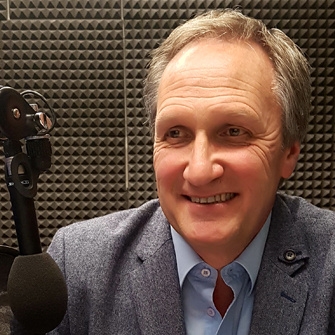
Chris Maughan
Media & Crisis Communication
Supports organisations with media training, crisis communication and presentation skills. Drawing on decades of experience as a television reporter, producer and journalist, Chris helps spokespeople communicate effectively under pressure, handle difficult questions and deliver clear, credible messages.
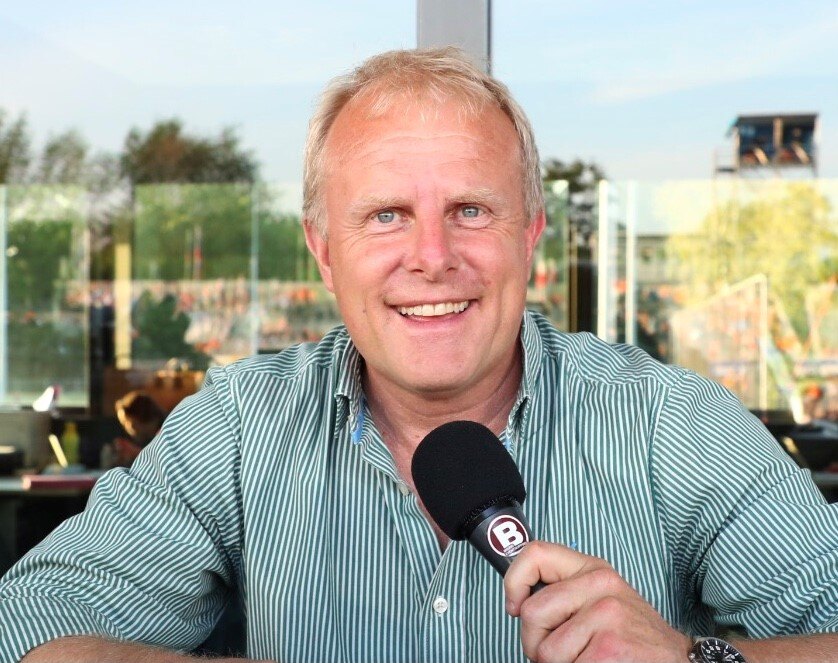
Howard Bentham
Media & Communication Skills
Supports organisations with media training, presentation skills and executive communication. Drawing on extensive broadcasting experience in radio and television journalism, Howard helps leaders communicate with confidence, simplify complex topics and connect effectively with diverse audiences.
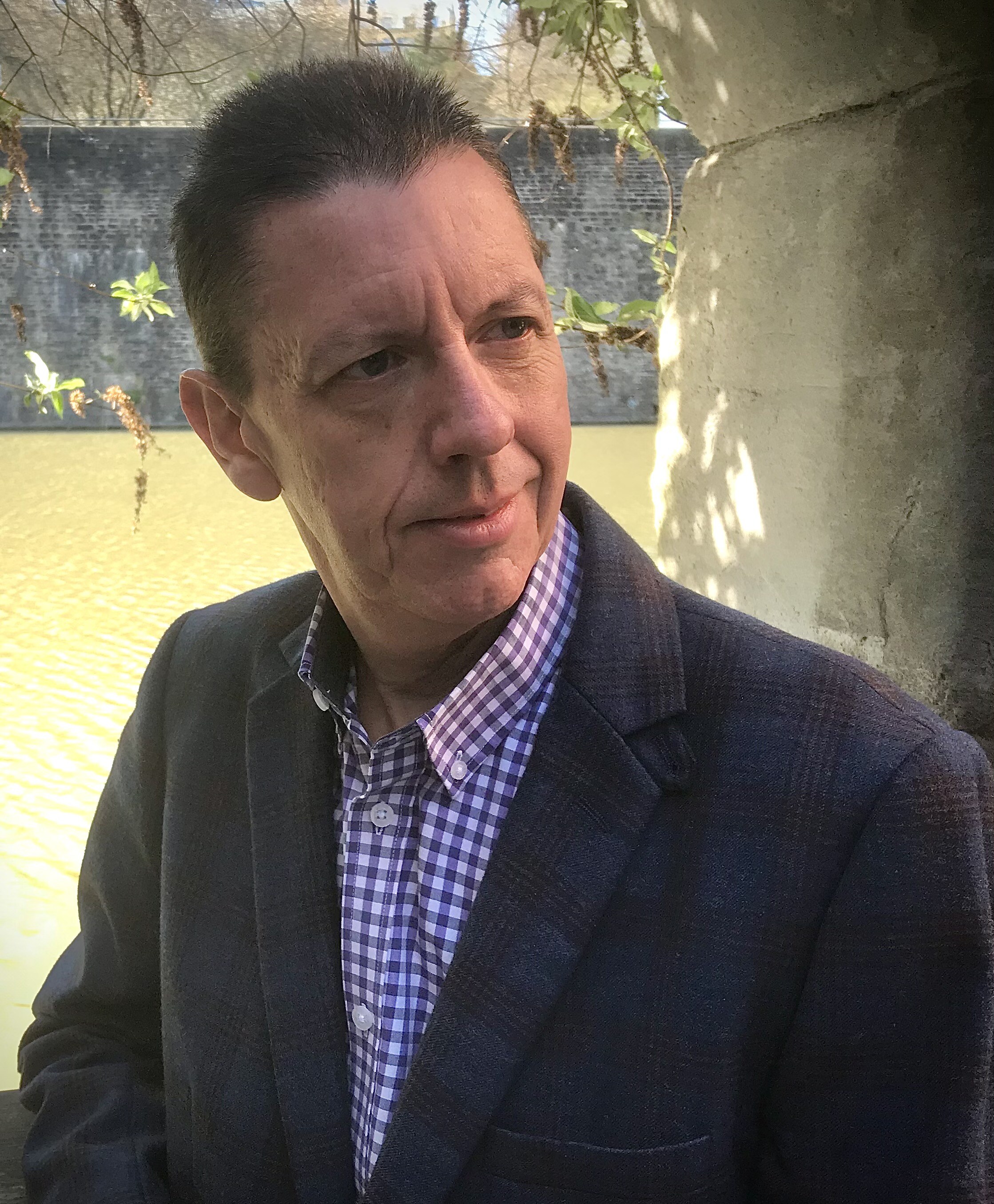
Mike Pearse
Media & Presentation Skills
Supports organisations with media training, presentation skills and executive communication. Drawing on extensive experience in television journalism and broadcasting, Mike helps spokespeople communicate naturally, present with greater impact and build confidence in front of audiences and cameras.
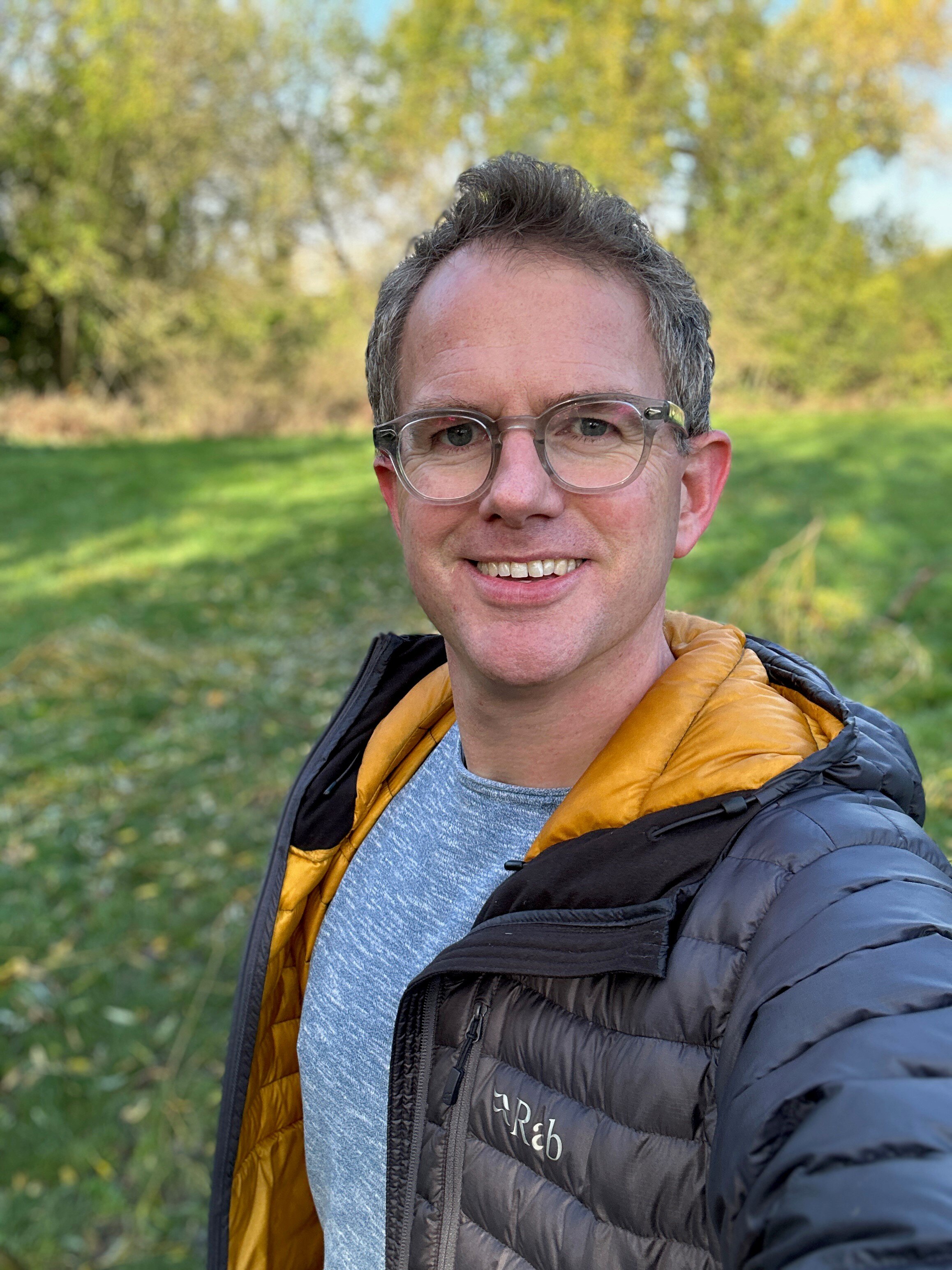
Toby Sadler
Mobile Media & Communication Skills
Supports organisations with mobile journalism, content creation and communication skills. Drawing on extensive experience in broadcast journalism and digital storytelling, Toby helps organisations create engaging content, communicate more effectively and build confidence using mobile technology.
Jane Deith
Media & Communication Skills
Supports organisations with media training, presentation skills and executive communication. Drawing on extensive experience as a broadcaster and journalist, Jane helps leaders communicate with authenticity, tell compelling stories and deliver messages with confidence and impact.
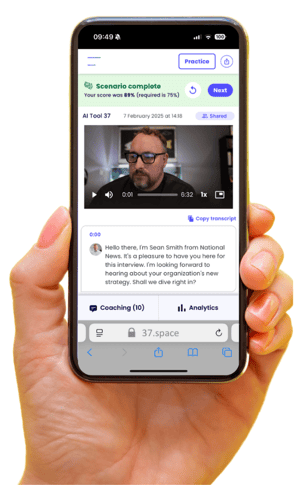
THIRTY SEVEN
Practice makes permanent.
Turn training into lasting capablity
Every delegate receives 30 days' complimentary access to Thirty Seven, our AI-powered communication coach.
Practise challenging conversations, media interviews and presentations whenever you want, receive instant feedback and continue developing long after your course has finished.

OUR TRAINERS
Journalists. Broadcasters. Communication specialists.
Our trainers include current and former journalists, broadcasters and communication specialists who understand exactly what makes interviews succeed – and what causes them to go wrong. They bring practical insight, constructive challenge and real-world experience to every programme.
Sean Ryan
Strategic communications
Works with organisations on strategic communications, stakeholder engagement, organisational change and reputation management.

Sean Ryan
Strategic communications
Works with organisations on strategic communications, stakeholder engagement, organisational change and reputation management.

Sean Ryan
Strategic communications
Works with organisations on strategic communications, stakeholder engagement, organisational change and reputation management.

Sean Ryan
Strategic communications
Works with organisations on strategic communications, stakeholder engagement, organisational change and reputation management.

Sean Ryan
Strategic communications
Works with organisations on strategic communications, stakeholder engagement, organisational change and reputation management.
Trusted by spokespeople, leaders and
communication teams.
Every year, thousands of spokespeople, senior leaders and communication professionals attend our media training courses and learn to handle interviews, scrutiny and difficult questions with confidence. Here is what some of them say about the experience and the difference it made.

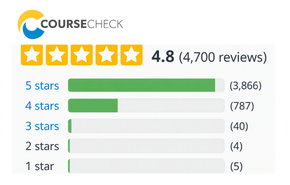
View over 1,700 customer reviews on Coursecheck
“I was quite nervous about the prospect of speaking on television and radio. But Media First have given me the confidence to be able to do it. I’m incredibly grateful to Media First. I learnt that people want to hear about people. I now look forward to delivering important student messages in broadcast interviews.”
“I took the media first training because I had a little bit of experience in media interviews but found that I would stick to the script and not come across very naturally. I’d cling to facts and figures and I really wanted to improve my technique.”
“I found the whole experience absolutely fantastic. I didn’t know what to expect but the instructors were really kind and gave really fantastic advice. I know my fellow senior public affairs officers found it really good as well. And now I feel ready to take on any media interview I might get as part of my job.”
WHAT ARE MY TRAINING OPTIONS
Flexible delivery to
suit your organisation.
Every media training course is tailored to your objectives, audience and availability.

In-person training
Courses take place at your offices or in professional studios across the UK.

Online training
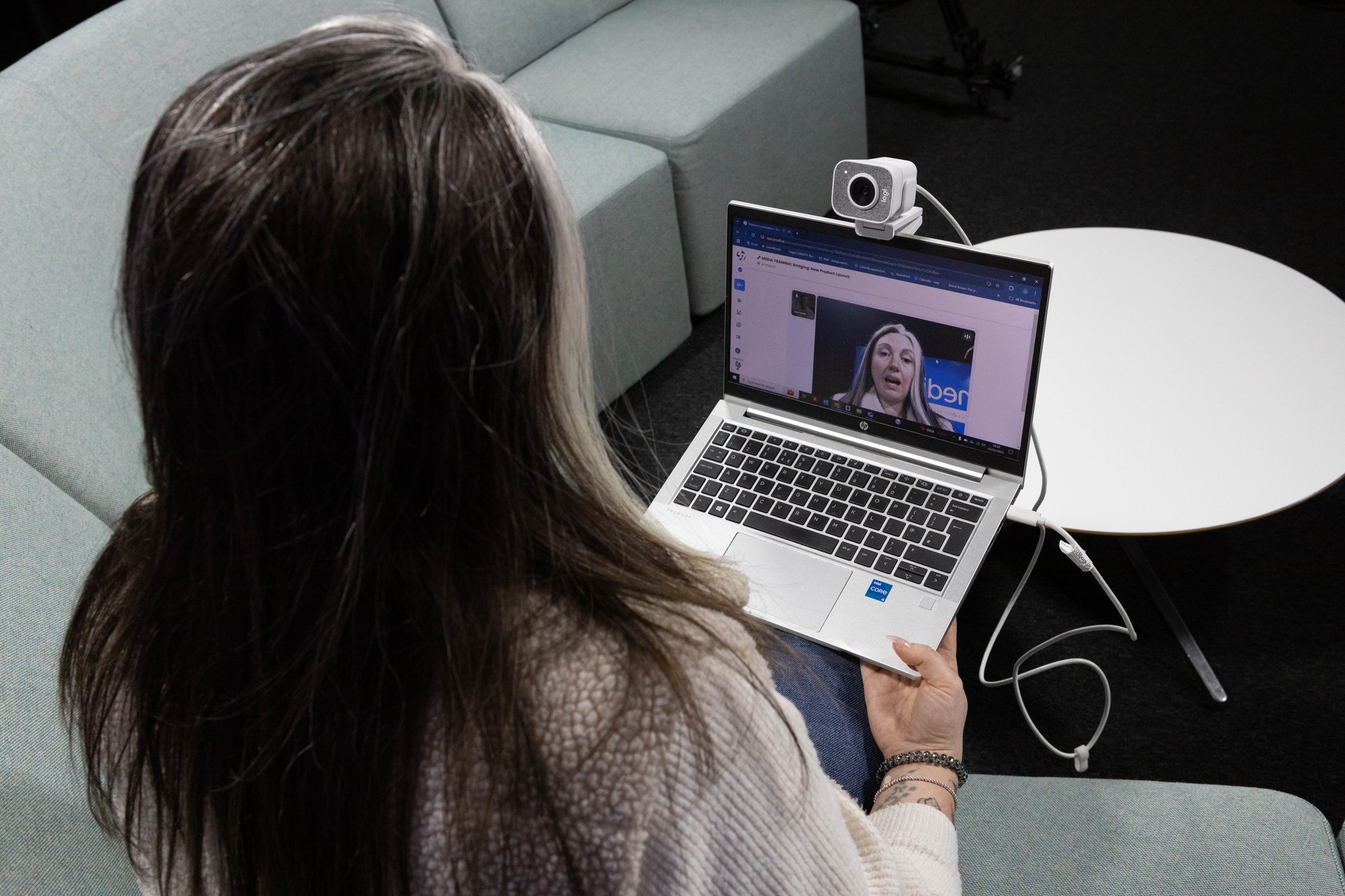
Live, interactive training sessions delivered wherever your people are.

Blended learning
A mix of live delivery, practice and ongoing digital resources.
FREE LEARNING
Media training techniques you can use today.
A selection of short videos from our free learning library, covering a range of different media interview formats.
How to handle the sofa interview
Don't get lulled into a false sense of security by the comfy looking sofa when you are invited into a television studio.
You are there to do an interview and it is an opportunity to get your message across with energy and dynamism.
In this video, one of our expert trainers, Victoria Smith, a working journalist and television presenter, has a few tips to ensure the interview is a success and you make the right impression.
Managing down-the-line interviews
Down-the-line interviews are becoming increasingly common, particularly on 24-hour news channels.
These can feel particularly awkward for the interviewee, as you cannot see the person you are talking to.
One of our expert trainers, Elisa Colton, a working journalist and television presenter, has some tips to help you nail the tricky down-the-line interview.
What to wear for a TV interview
Your organisation is in the news, and the communications team has put you forward as the spokesperson for a television interview.
You have had your media training, are well briefed and feel confident that you can deliver the key message.
But do you know what to wear for television and what clothing you should avoid?
Victoria Smith has some tips to help you dress for a successful TV appearance.
The importance of pitch, pace & tone
Delivering your key message in a dull, flat, monotone way will ensure it falls on deaf ears.
You need to inject passion, enthusiasm and energy into your voice to engage the audience during the interview.
In this video, one of our expert trainers, Elisa Colton, a working journalist and television presenter, shares tips to help you make the right impact with your voice.
FAQS
Frequently asked questions.
What makes Media First's media training courses different?
Media First has spent more than 40 years helping spokespeople, leaders and subject matter experts communicate effectively when facing journalists, difficult questions and public scrutiny.
Our training is led by current and former journalists who understand how the media works and the pressures spokespeople face. Participants take part in realistic interviews, receive detailed feedback and learn through practical experience rather than lengthy theory sessions.
Many programmes are delivered using professional filming facilities and dedicated camera technicians, creating realistic interview environments that closely reflect the situations participants may encounter in the real world. Learning continues after the course through written feedback reports, our Members' Area and 30 days' complimentary access to Thirty Seven, our AI-powered communication coach.
How realistic are the media interviews?
Realism sits at the heart of our approach.
Trainers with journalistic experience interview participants and understand how interviews develop, how challenging questions are asked, and how stories are shaped. Exercises are designed around realistic scenarios and the types of questions participants are most likely to face.
Where appropriate, training can take place in professional studio environments, helping participants experience the pressure and dynamics of broadcast interviews before facing the real thing.
How many people can attend a media training course?
The ideal ratio depends on the training objectives, the delegates' experience, and the amount of interview practice required.
For most media training programmes, we typically work to a ratio of around one trainer for every three delegates. This approach ensures everyone receives sufficient interview practice, personalised coaching and detailed feedback.
Media training is not a presentation-based course. Participants improve by taking part in interviews, receiving expert feedback and applying what they have learned. Smaller groups create more opportunities for realistic practice, individual development and meaningful coaching.
For larger groups, we can provide additional trainers, camera technicians and breakout sessions to maintain the quality of the learning experience. This approach is reflected throughout many of our bespoke programme designs.
We have delegates with very different levels of experience. Should we train them together?
Sometimes yes. Sometimes no.
A mixed group can work extremely well when participants can learn from one another's experiences and face similar media challenges. Less experienced spokespeople often benefit from observing seasoned interviewees, while experienced delegates can gain fresh perspectives and feedback.
However, separating groups is sometimes more effective. Senior executives may require a different level of challenge, more strategic discussion or greater confidentiality. Likewise, participants with significantly different confidence levels can sometimes progress faster in separate groups.
We often recommend a blended approach, combining group sessions with one-to-one coaching for key spokespeople, senior leaders or individuals preparing for particularly high-profile media opportunities. Training is designed around the people involved rather than forcing delegates into a standard format.
How confidential is media training?
Completely confidential.
Media training only works when participants feel comfortable testing ideas, making mistakes and receiving honest feedback. We create a safe environment where delegates can explore challenging issues, practise responses and discuss potential risks without concern.
Interview recordings, feedback and discussions remain confidential unless explicitly agreed otherwise. Many organisations use training to test sensitive scenarios, prepare for announcements, explore difficult stakeholder issues or assess media readiness ahead of significant events.
The purpose of the training is development and preparedness, not evaluation.
Why should we invest in a specialist provider rather than a freelance media trainer?
Many talented freelance media trainers are available, and some organisations may find a freelancer the right solution for their needs.
However, larger organisations often require more than a single trainer.
Media First combines experienced journalist trainers, dedicated account management, professional camera technicians, studio facilities, course design support, post-course feedback reporting, online learning resources and ongoing development through Thirty Seven. We can also scale programmes across multiple teams, locations and levels of seniority while maintaining consistency and quality.
For organisations seeking reassurance, resilience and long-term capability building, that broader support structure can be just as important as the training itself.
What support do participants receive after the media training course?
We believe media skills are strengthened through continued practice, not a single training session.
Delegates receive detailed written feedback reports outlining their strengths, development priorities and practical recommendations. They also receive 30 days' complimentary access to Thirty Seven, our AI-powered communication coach, enabling them to continue practising media interviews and communication skills after the course.
LET'S TALK
How confident are your
spokespeople? Let's find out.
Whether you're preparing executives, designated spokespeople or subject
matter experts, we'll help you identify the right media training course for
your organisation.