.png?width=147&height=56&name=image%20(1).png)
What can you learn from this five-minute apology?
A good apology can go along way to salvaging a reputation during a crisis. But, as regular readers of this blog will know, not all apologies are created equally.

A good apology can go along way to salvaging a reputation during a crisis. But, as regular readers of this blog will know, not all apologies are created equally.

Sometimes it is the shortest interviews that catch your attention. Listening to the radio the other day, it was not the endless reports and debates on Covid testing or the latest Brexit development on the Internal Markets Bill that stood out.

We’ve always prided ourselves on making our media training courses as close to the real thing as possible.

We’ve highlighted several media interviews recently where spokespeople have tried to manage difficult questions by answering something completely different.
If you heard a media spokesperson talk about ‘being synonymous with circularity’, would you know what they were talking about?

Zoom has become a household name in the past few months. Media interviews, meetings with teams and clients, school lessons and even catch-ups with friends have been taking place online.

When we look in this media training blog at the mistakes that are made in media interviews, we often focus on the performance of individual spokespeople.
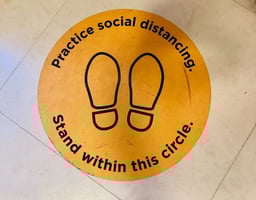
We are all now using words and phrases every day that few of us had heard of at the start of the year.

Without scoring a goal or even kicking a ball, Marcus Rashford became one of the heroes of the lockdown. The Premier League star’s campaigning has helped more than a million disadvantaged children get access to a free meal during the school summer holidays.
Little by little more normality is returning to our lives. We are now able to meet more people, play some sports and non-essential shops have opened their doors for the first time in months.

It can feel like coronavirus is the only story around. Endless broadcast coverage, devastating headlines, pages of print and press conference beamed directly into our homes.

Announcing a reduction to your workforce is a daunting and unpleasant challenge for any leader and organisation. It is even harder if just a couple of months earlier you had promised those same workers that their jobs would be safe.

It’s everyone’s worst nightmare. You’re in the middle of a presentation or at to a critical point in a media interview and suddenly your mind goes blank.

Everyone seems to have had their say on Dominic Cummings and his infamous trip to Durham. It has dominated the news agenda for much of the past week.

It’s everyone’s worst nightmare. You’re in the middle of a presentation or coming to a critical point in a media interview and suddenly your mind goes blank.
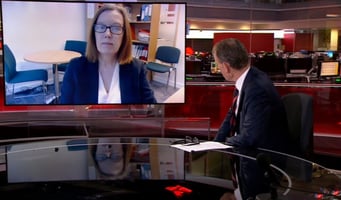
You won’t be surprised to learn that as a media training company, we watch a lot of interviews. There’s always something others can learn from them.

How are you managing with the move to online meetings? Are you finding that they are less focused? Are attendees taking it as an invitation to multi-task? Are you finding that a couple of participants are dominating the conversation while others seem to be zoning out?

It is not often a spokesperson feels the need to apologise after a media interview. But that is what one chief executive did after his TV performance was met with damaging headlines and a social media backlash.

If you are a regular reader of this media training blog, you’ll know we have discussed the complexity of the ‘guarantee’ question before.
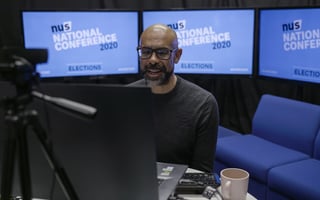
For many businesses, the initial few weeks of lockdown were spent ensuring they could ‘continue as normal’ and figuring out what that new ‘normal’ is.
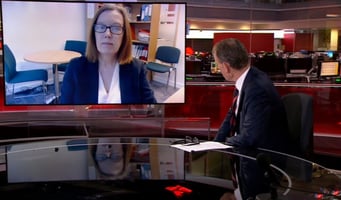
Training by videoconference has grown over recent years. And as the coronavirus crisis has intensified and offices have closed, it is becoming even more prominent.

Do you remember when the Government said that 20,000 deaths would be a ‘good outcome’ and a 'good result' from the coronavirus crisis? Sadly, it turned out to be a target that couldn’t be met.

Chances are you are reading this at home. As the coronavirus crisis intensifies, we are all adapting to a new way of working. For some, this will be a relatively straightforward transition. But for most particularly those who usually spend much of their time in face-to-face customer and employee meetings, there are significant challenges.
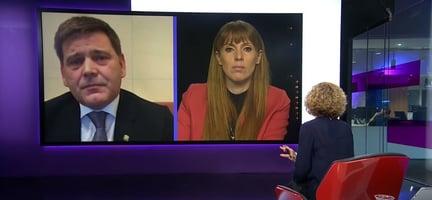
News anchors presenting programmes from their living rooms and reporters trying to remain three metres away from those they are trying to interview for a vox pop.
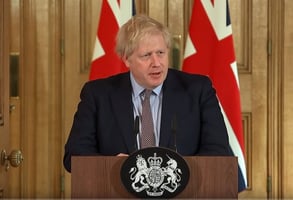
Boris Johnson had been criticised for his lack of visible leadership in recent weeks. Absent from the responses to the floods, he had also been coming under attack over the coronavirus with some suggesting he had already decided to self-isolate.

If I had to name a journalist that I would be reluctant to face, Nick Ferrari would be right up there. The LBC presenter has a pretty ferocious reputation and has posed the forensic questions that have led spokespeople to produce some recent memorable media interview disasters.
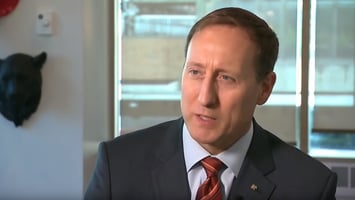
You have seen interviews where the spokesperson has brought proceedings to an abrupt end when they don’t like a line of questioning. But how about when the PR team becomes unhappy with the question?

How’s this for an approach to a damaging story? A journalist calls you up to ‘clarify’ something you said and you deny that you had used a particular word.
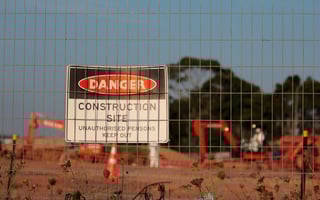
“What are you doing wrong?” Perhaps not the nicest of questions, but should it need to be asked eight times before a spokesperson provides any semblance of an answer?
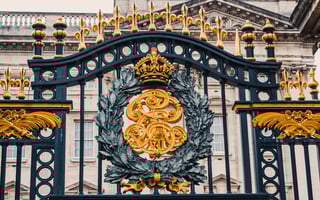
It is the story that has dominated the news for the past few days. And while we have little to add to the endless overall coverage of the Meghan and Harry saga – or Megxit as it has inevitably been labelled - there is a crucial media relations and crisis communications element to the story which caught our eye.
