
AI has updated its reading list (and what it means for you)
Where does AI source the information it provides in its answers? And how can you feature in those responses? Read this article to find the answers.

Where does AI source the information it provides in its answers? And how can you feature in those responses? Read this article to find the answers.

Big name supermarkets found themselves in the firing line as furious shoppers accused them of 'ruining' Christmas. How did they handle the story?

A government department tried to jump on a viral social media trend. It didn't land well. What can you learn from it?

How does AI decide what to cite in its search results? A new report has revealed some fascinating insight for comms and PR professionals.

A brilliant piece of social media PR has grabbed our attention. What can you learn from it. And how can you achieve similar success?

What would you do if the actions of a employee in a social media video put your company in the spotlight? Read this blog to find out what one company did.
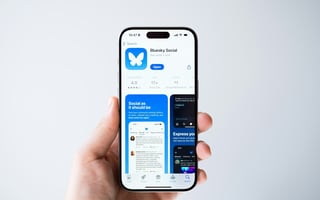
If you have been on X during the past few weeks, you will have noticed the same phrase keeps appearing - ‘Bluesky’.

We all know the news cycle can feel bleak and depressing. But are you aware it is causing record numbers of people to avoid the news? A new report shows around four in ten adults “now say they sometimes or often avoid the news”.

Looking for new ways to reach your target audience? Social media influencers have emerged as an increasingly vital way for brands to improve their online presence and increase sales.

Is it too risky for charities to be brave on social media? Find out what happened when one charity called out the Government and the lessons you can learn.

Is it time for your brand to join Threads and ditch Twitter from your social media strategy? Find out what our social media expert thinks.

How can brands get their apologies right when they are in the media spotlight? This advice will help.

What are the social media trends you need to know about? Which platforms should you expect to grow in popularity? What content is performing the best? And what will happen on social media in 2023? There were just some of the topics we explored during our social media masterclass for members of The Media Team Academy.

Why did these pub rolls gain so much media attention? And what do they teach us about the media's appetite for unusual stories?

Did you hear the story about the CEO who posted a picture of himself crying after laying-off two members of staff? Braden Wallake’s LinkedIn post went viral and grabbed the attention of mainstream media.
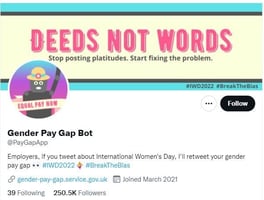
Household brands, universities, healthcare providers, charities, football clubs and government departments were just some of the organisations that found their social media posts taken to task as a perceived PR opportunity turned into a nightmare.

Social media can be a tricky place for corporate accounts to navigate. How do you stand out in such as crowded arena? The answer for some, such as Ben and Jerry’s Ice Cream and Nike, is to try and raise awareness of social issues.

Everyone in our team is talking about Squid Game. And we are not alone. The Korean drama seems to have quickly taken the world by storm.

On our crisis communication courses, we often spend time looking at the potential causes of a crisis.

Imagine being a new start-up and almost immediately finding yourself trending on social media. Not only that, but you generate coverage in the Financial Times and Daily Mail. Sounds great, right?

Apologies are tricky. Regular readers of our crisis communication and social media training blogs will know there have been plenty of recent examples of apologies that have fallen short of the mark.
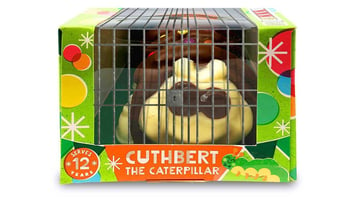
We like to keep a close eye on all the big stories at Media First towers. And, at the moment, they don’t seem to be much bigger than two of the nation’s best-known retailers slugging it out over a chocolate cake.

March is shaping up to be quite the month for crisis communication case studies. Already we have seen a high-profile horse racing trainer’s career disintegrate after a horrific picture emerged of him sitting on a dead horse.
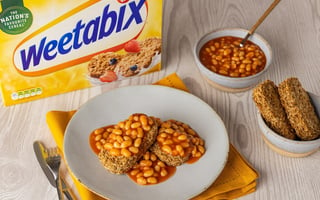
Now, we could bring you our thoughts on the latest high-profile media interview. But then we thought it would be much better if we took a look at the story that got Britain talking – whether Weetabix and Heinz baked beans are an acceptable breakfast combo.

On our crisis communication training courses, we often talk about how smartphones have given people the power to be reporters. They can record footage on their phones, post it on social media - or sell it to a newspaper.

On our crisis communication courses, we talk to delegates about the importance of understanding their organisation’s vulnerabilities and trying to anticipate what could place it at the centre of a storm.

When people think about the causes of a crisis, they typically consider things like fatal accidents and catastrophic incidents.

On the face of it, it should have been a pretty innocuous photo. But when new chancellor Rishi Sunak posted a picture of himself making a round of hot drinks for his team, alongside a large bag of Yorkshire Tea, it caused a storm in a teacup for the brand.

When basketball star Kobe Bryant died in a helicopter crash along with eight other people, the reporting of the incident was rapid and often inaccurate. News organisations rushing to break big news is nothing new, but the digital age has increased that speed dramatically and that resulted, in this incident, in plenty of mistakes being made.

Have you heard the story about a doughnut company which almost turned a human-interest story into a reputational disaster but ultimately enjoyed the sweet taste of PR success?
