
What should you do after a media training course?
We’re often asked by our delegates how they can keep on top of their new skills after their media training course. There is often a gap between the course and the next media opportunity.

We’re often asked by our delegates how they can keep on top of their new skills after their media training course. There is often a gap between the course and the next media opportunity.

Another Olympic Games has come to an end. Two weeks of competition has brought no shortage of action, tension, tears and inspiration.

Imagine you are in crisis media management mode. As the head of your organisation leaves your offices, they are greeted by reporters firing questions.

Most organisations believe their story is important and newsworthy. However, only journalists and their Editors get to decide whether a story should be covered. So what exactly is it that interests journalists and what are they looking for in a story? What makes something newsworthy?
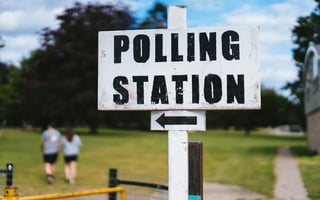
The dust has started to settle on this year’s general election. Labour has gained a historic win, achieved a sizeable majority, and Keir Starmer has begun to get to work in Downing Street.

Securing media coverage can be tricky. It can take a lot of work to capture the interest and attention of journalists, podcasters, videographers and film makers.

Podcasts are booming and businesses are turning to them to add variety and bring a human voice to their content and brand. This blog will explore how you can get started in podcasting.
Imagine a journalist describes your spokesperson’s interview as “ridiculous”. Then consider an adviser intervenes and brings the questioning to a halt.

Could this media training blog have been brought to you by artificial intelligence? Was that news story you read on the way into work created by a robot journalist?
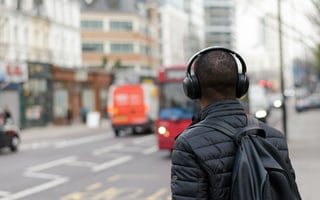
Are radio interviews part of your comms and PR strategy? The latest audience figures suggest they should be because more people are listening to radio than ever before.

So, your public relations work has paid off, and you've got media interviews lined up. Or you think your organisation will soon be in the media spotlight.

Print interviews continue to be a crucial component of our media training courses. But do people still read newspapers? When was the last time you bought a paper? Has print become a niche medium serving a rapidly shrinking audience?
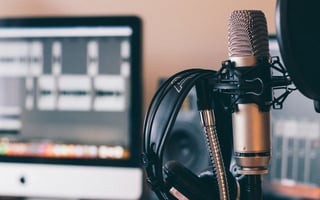
Podcasts are booming. But how do podcast interviews differ from other media formats? And how can you make the most of the opportunity they present?

What can you learn from this attention-grabbing interview that irritated the journalists? Read the blog to discover our media training advice.

Find out what you can learn from this spokesperson about handling difficult questions from journalists in media interviews

Could you successfully handle a doorstep media interview? Or would you respond to the tricky format like this spokesperson?

What can you learn from two spokespeople who excelled in their media interviews? Read this blog to find out.

What happened when the company CEO lamented the company’s share price in front of journalists? And what can you learn from it?

What happens when a media spokesperson walks out of an interview? And how can you prevent it from happening? Read this blog to find out.

Why is the media coverage so often dominated by negative news? It’s a question often asked by delegates during our media training courses. We’ve all seen examples of negative stories going almost instantly viral.

Pitching isn’t easy, is it? It can be hard to know which journalists to target. And it can be even trickier to grab their attention. The good news is journalists want to receive pitches.

What happened when a ‘gotcha’ moment caught a spokesperson off guard in a media interview? And how should you handle this situation

What happens when you repeat the media's negative language in your media interviews? Find out by reading this case study

Ever wondered just how important it is to have examples you can use in media interviews? It is something we always stress during our media training courses. You will also have read us go on about it in these blogs.

The biggest fear delegates on our media training courses often have about interviews is being asked difficult questions they don’t know how to answer. It’s an understandable concern. And one that can be overcome with good preparation, confidence and the bridging technique.

Apologies – or the lack of them – never seem to drift too far from the top of the media agenda. Accountability matters whether it is a business or an individual. But all too often, ‘sorry’ seems to be the hardest word to say.

It didn’t take long to get an early contender for the worst media interview of 2024. And in terms of fallout, it might take some beating. The comments made during a radio interview resulted almost instantly in furious headlines and social media posts.
Who were this year’s best and worst media interview performers? And what can you learn from them? Read this blog to find out.

Why are stories such a crucial component of successful interviews? And how should you tell stories? Find the answers in this article.

What went wrong with this interview? And how could it have been better handled? Find out in this blog.
