
Like, really? How can you remove filler words from your next media interview or presentation?
Do you use a lot of filler words in presentations and media interviews? Does it matter? An how can you reduce the amount you use?

Do you use a lot of filler words in presentations and media interviews? Does it matter? An how can you reduce the amount you use?
It is an interview everyone has been talking about and that has generated damning headlines. What media training lessons can you learn from it?

An interview on a prime spot like BBC Breakfast offers the opportunity to reach millions. It may also seem pretty daunting to many. But what does it really feel like?
What media training tips could other spokespeople gain from the 'morning round' of interviews politicians deliver? Find out in this article
An internal inquiry into the Heathrow shutdown has revealed the airport responded "efficiently and smoothly". But it continues to receive damning headlines.

Why is it so important spokespeople remain calm and composed under pressure? Read our thoughts on this attention -grabbing interview to find out.

Bin strikes in Birmingham have led to endless headlines about rodents in the city. How can the city change the damaging narrative?

Looking to make better use of AI in your comms work? Or feeling overwhelmed by the range of AI options? We've got you? Let use guide you through to AI clarity.

Water bosses are being challenged to drink river water in an ongoing row over sewage discharge. How can they better handle this PR headache?

Was a former White House press secretary right in saying this is the worst media training advice? And what should spokespeople do instead?

We're increasingly asked about profile interviews during our media training courses. And we've decided to share some expert tips in this blog.

It was a media interview that created damaging headlines and lots of online criticism. What does our AI think the spokesperson could have done better?

What crisis comms lessons can you learn from the latest series of negative headlines about HS2? And what else does it tell you about talking to the media?

Could you handle a panel TV discussion? Its a difficult media appearance to master. But one CEO has shown how it can be done

Why hybrid working policies are increasingly gripping the news agenda and leading debate. And what it means for you

We are often asked, “How do you make the biggest impact in media interviews?” Well, as we stress during our media training sessions, less is always more – be clear, concise and compelling.

What happens when you show frustration in a media interview. Find out in this media training blog

There’s a lot going on in the news. But one of the stories that seems to keep bubbling up over the past few weeks is how much money the Government has spent on media training.
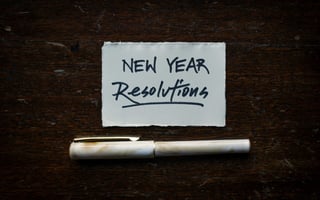
How are your resolutions looking a week into the new year? Research from YouGov suggests that more than a quarter of Britons make an annual promise of self-improvement.

Are you already battling the January blues? The first few weeks of the year can often feel pretty bleak as festivities end and decorations come down, but the miserable weather remains.

Who grabbed the attention of our media training experts for all the wrong reasons this year? And who shone in the media spotlight?

There is nothing quite like seeing good and bad interviews in action. They are a great way of showing our media training delegates what works well and the things they need to avoid.

The average radio interview is just over two and a half minutes long. Yet, as we stress during our media training courses, its power should not be underestimated.

The New York Times, The Financial Times, Associated Press, The Washington Post and Reuters. These are just some of the many worldwide publications that have covered stories on conkers this month.

How do you persuade a reluctant media spokesperson? What can you do if a journalist refuses to move on from a tricky area? Can you use a message too often during a media interview?

‘What happens if a journalist asks me a question I don’t know how to answer?’ It is a common fear for spokespeople. And a question we often hear at the start of our media training courses.

One of Kamala Harris’s media interviews has caused a storm. Not because of anything the Democratic nominee said. But because she chose to appear on a podcast rather than traditional media.

Laura Kuenssberg’s cancelled interview with former Prime Minister Boris Johnson continues to gain lots of attention. What would have been a high-profile interview was canned after she accidentally sent him her briefing notes.
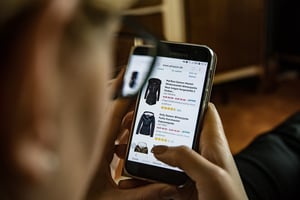
Brands sometimes need to communicate decisions they know will be unpopular. And that will attract negative headlines and social media posts. Two household name companies found themselves in that situation recently. And it put them in the firing line.

What’s the aim of a media training course? Is it simply to help spokespeople avoid saying something damaging? Well, the hosts of a popular podcast believe it is.

