
8 tips for communicating with your teams effectively during the coronavirus crisis
We’ve always stressed the importance of effective internal communications during a crisis. And that has never been truer than during the coronavirus crisis.

We’ve always stressed the importance of effective internal communications during a crisis. And that has never been truer than during the coronavirus crisis.

You probably don’t need us to tell you that the government’s latest coronavirus messaging has been met with a chorus of disapproval.

During this time of global crisis, many brands have been thinking of ways they can help out and show social responsibility.
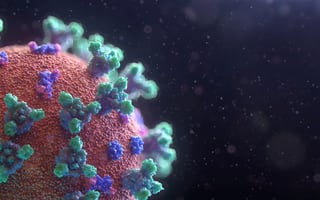
Do you remember when the Government said that 20,000 deaths would be a ‘good outcome’ and a 'good result' from the coronavirus crisis? Sadly, it turned out to be a target that couldn’t be met.
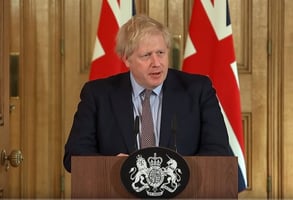
Boris Johnson had been criticised for his lack of visible leadership in recent weeks. Absent from the responses to the floods, he had also been coming under attack over the coronavirus with some suggesting he had already decided to self-isolate.

Coronavirus is dominating the news and the coverage is getting more extensive. Already we have seen brands close stores, organisations shut down their offices and companies suspend factory lines.

On the face of it, it should have been a pretty innocuous photo. But when new chancellor Rishi Sunak posted a picture of himself making a round of hot drinks for his team, alongside a large bag of Yorkshire Tea, it caused a storm in a teacup for the brand.

It is understandable that health authorities don’t want the public to panic about the coronavirus. But could the desire to avoid that alarm and fear actually cause more hysteria?
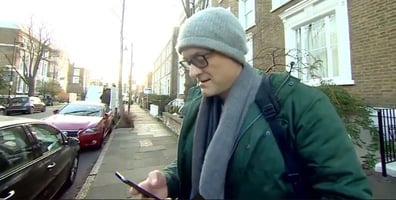
When it comes to disastrous responses to doorstep interviews, we thought we had seen it all. In this media training blog, we have covered examples where spokespeople have simply ignored the journalist and pretended they are not there; others have shouted at the camera or tried to shove it out of the way’; and some have offered a ‘no comment’ response, leaving viewers to wonder what it is they had to hide.

When basketball star Kobe Bryant died in a helicopter crash along with eight other people, the reporting of the incident was rapid and often inaccurate. News organisations rushing to break big news is nothing new, but the digital age has increased that speed dramatically and that resulted, in this incident, in plenty of mistakes being made.
It is the story that has dominated the news for the past few days. And while we have little to add to the endless overall coverage of the Meghan and Harry saga – or Megxit as it has inevitably been labelled - there is a crucial media relations and crisis communications element to the story which caught our eye.

While the bush fires in Australia have been gaining significant coverage in the UK, perhaps what has not come across quite so clearly here is just how much of a PR disaster its Prime Minister has been having.

It has been another year packed with crises. Many have been self-inflicted scandals others have been harder to anticipate. Some have been handled well and in other cases, the way they have been managed has made things worse.
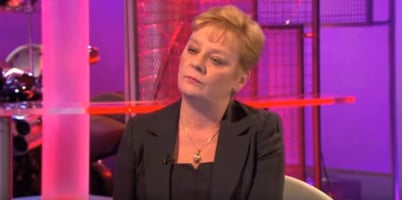
Observing one of our recent media training courses, I saw an interview I hadn’t seen before. It was shown towards the end, as the course touched on crisis communication and how to manage interviews when you are in the spotlight for the wrong reasons.

You might have been expecting us to look at Jeremy Corbyn’s interview with Andrew Neil in today’s media training blog and perhaps discuss whether it was more of a disaster than Prince Andrew’s Newsnight interview. But, as Mr Neil still has a few more of the political leaders to scrutinise, it is probably best that we hold fire on that one for now.

Plenty has been said and written about Prince Andrew’s now-infamous interview. And if you saw our media training blog earlier this week, you’ll know that we have had our say.

When you visit a restaurant, you don’t expect to find customers washing the dishes, taking the orders and brewing coffee. But that was the scene in one restaurant when customers realised there was just one overwhelmed member of staff on duty.

Have you heard the story about a doughnut company which almost turned a human-interest story into a reputational disaster but ultimately enjoyed the sweet taste of PR success?

We thought we had seen it all when it comes to doorstep interviews disasters. Over the years we’ve seen hands placed over cameras, microphones pushed away, spokespeople completely ignoring the media and even one politician who kept repeating ‘I’m eating a cookie’ in response to every question.
If you’ve been on social media recently, chances are you may have seen posts calling for a boycott of a particular brand. #Boycott has become an increasingly popular way of consumers showing their displeasure.
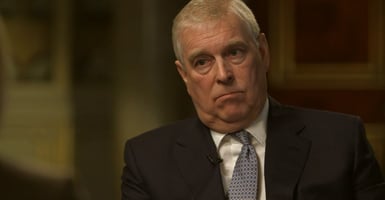
There are some interviews that are simply compelling viewing. And Prince Andrew’s Newsnight interview on Saturday certainly falls into that category.

It’s not easy to apologise. People often find ‘sorry’ to be the hardest word to say so you can understand why brands might struggle. So we have decided to outline the 9 features of an effective corporate apology.

Here are eight tips, from our social media training courses, to help those of us who have to pick up the pieces when things go wrong on social media.

At what point should an organisation put its CEO in front of the media during a crisis? This was a question that came up during a recent crisis communications exercise which we held for one of our clients.

Jamie Carragher’s recent actions have delivered a potentially devastating blow to his public image.

Our tips for managing a crisis media management incident caused by a cyber-attack:

It is often assumed the CEO or chief executive will front a crisis media management situation. But, although they should be visible, that does not mean they have to be the spokesperson. So if it doesn’t have to be the boss, who should you turn to when you have to deal with bad news? We have identified eight points you should consider when choosing your crisis spokesperson.

It is not so much a matter of ‘if’ a crisis hits your organisation as ‘when’. Our 14 point checklist will help you get that preparation right and think about what you need to do when crisis strikes.
Survive hostile media interviews with these 7 expert tips to maintain your composure and protect your reputation. Learn how to handle aggressive questioning effectively.
Whilst it is impossible to predict the exact form a crisis media management situation will take, having a document that identifies risks and forecasts potential pitfalls is a great starting point for following the crisis comms mantra of expecting the unexpected.
