
How the words you didn’t say can end up in quotes (and headlines)
The negative language journalists use in their questions is something we explore regularly during our media training courses.
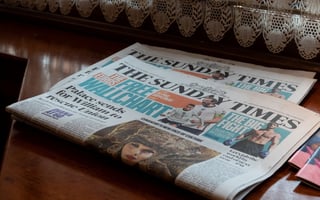
The negative language journalists use in their questions is something we explore regularly during our media training courses.

Writing is at the heart of good communication. Think about your job. You are probably writing all the time. You’ve possibly stopped writing to read this

When a crisis strikes, you ideally have about 15 minutes to respond. Some argue you have a maximum of an hour. Others say that at a time when news often breaks on social media, 15 minutes is too long.

Managing frustration in media interviews can be a challenge. Interviews do not always go as planned, and spokespeople may face unexpected and uncomfortable questions.
Have you ever wondered what journalists think of your attempts to grab their attention and gain crucial coverage?

How do you feel when one of your competitors is across the airwaves giving their thoughts on a story?

At the end of our presentation skills courses, we give our delegates a guide to help them continue their learning.

A crisis can take many shapes and forms. Each has the potential to generate social media storms, round the clock TV coverage and put brand reputations at risk.

Much of the way we work has changed. For many, the Monday to Friday 9-5 has been replaced by a hybrid model where the working week is split between home and the office.

Your spokespeople will face awkward and uncomfortable questions in their media interviews. Even those who have done their preparation and had recent media training can find themselves facing questions they don’t want to answer, or that are unexpected.

The World Cup later this year will put Qatar under the most intense of spotlights. Hundreds of thousands of football fans will travel to the Gulf state. Millions more will watch it from home on television.

Many politicians have faced questions about the price of milk and bread. It is an entirely predictable line of questioning. But it is also one many spokespeople have stumbled over.

The relationship between PRs and journalists has often been a bit strained. Journalists have often complained about being spammed by emails and inundated with calls.

“I presume you will be writing about P&O Ferries in your crisis communication training blog.” This was just one of the messages we received as anger grew at the firm’s brutal staff cull.

There’s nothing more meaningless than an insincere apology. And we have seen plenty of them already this year.
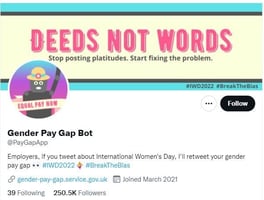
Household brands, universities, healthcare providers, charities, football clubs and government departments were just some of the organisations that found their social media posts taken to task as a perceived PR opportunity turned into a nightmare.

Does your crisis communication plan include how to respond to the death of Queen Elizabeth? That morbid and unsettling question was probably not what you expected to read about in our blog.

Do you find your media spokespeople are unwilling to be briefed ahead of media interviews? Perhaps, with a busy diary, they are hard to tie down for briefing and feedback sessions.

Imagine the scene. You’re watching the news coverage of the terrible scenes in Ukraine. Suddenly the news channel cuts to an advert break and, while the invasion footage continues to be shown on the bottom of the screen, viewers see a light-hearted and jarring commercial from your brand.

The Bank of England Governor is having a month to forget. Andrew Bailey produced a PR clanger at the start of February by telling workers to moderate their pay demands despite spiralling prices - the wealthy telling others not to ask for more rarely works out well.

The bean counters have certainly been busy lately. Amid the coverage of the storms that have battered Britain for the past few days, several brands have been announcing price hikes.

Social media can be a tricky place for corporate accounts to navigate. How do you stand out in such as crowded arena? The answer for some, such as Ben and Jerry’s Ice Cream and Nike, is to try and raise awareness of social issues.

It hasn’t felt like there have been many good news stories lately. But the decision by the chief executive of the Co-op to take time out to help her children with their exams has won the company plenty of praise.

Should you try to change the way you talk for a media interview? Perhaps you have a regional accent, or you tend to drop your Gs. Would that annoy the audience when you are in front of a microphone or TV camera? Maybe you just have a perception of what sounds ‘right’.

Did you know the average radio interview is about two and a half minutes long? That’s not much time to get what you want to say across or to ensure it stands out from everything else that is being covered.

Occasionally, a public relations disaster comes along you know will last long in the memory. Think of things like former BP boss Tony Hayward saying “I want my life back” when discussing the Gulf of Mexico oil spill or Gerald Ratner describing his company’s products as “total crap”.
The NHS, United Airlines, Carhartt, Next, Ocado, Morrisons – these are just some of the big-name brands that have found themselves walking a reputational tightrope as companies are increasingly drawn into making decisions about the health and safety of their workforce.

Many brands are grappling with sustainability and purpose. They are topics that regularly come up in conversation with our clients who are increasingly wanting help telling sustainability stories.

Apologies. We’ve all seen plenty of them lately. Prime Minister Boris Johnson has said sorry for attending a party during lockdown. Novak Djokovic, the world’s number one tennis player, apologised for a mistake on his Australian immigration paperwork and for breaking isolation for a photoshoot when he had covid.
