
How to take your presentation skills to the next level as a business leader
All business leaders need to be able to speak with confidence, clarity and purpose and have the ability to persuade, compel and influence.

All business leaders need to be able to speak with confidence, clarity and purpose and have the ability to persuade, compel and influence.

When you send your work, do you worry whether you’ve caught all the typos? They can be hard to spot.

We’ve often said in these blogs and during our crisis communication training courses that a crisis can strike any organisation at any time.

Did you hear the story about the CEO who posted a picture of himself crying after laying-off two members of staff? Braden Wallake’s LinkedIn post went viral and grabbed the attention of mainstream media.

Price is on everyone’s mind. As the cost-of-living crisis grips and purse strings tighten, we are all looking to find those small savings to help the household budget.

Comms can be a challenging place to work. It can sometimes feel as if it is full of setbacks, pressures and demands. Maybe your latest campaign has been changed by someone higher up in the organisation and has not got much coverage.

What happens when your media interview veers away from the subject you want to discuss? Can you steer it back? How do you do that?

Creating the right message, and ensuring it is heard by your audience, is often harder than it sounds. You need something that stands out from the noise and that people absorb and can recall. That’s why our latest exclusive masterclass for members of The Media Team Academy focused on messaging.

So, you think you’ve got something interesting to say. An op-ed can be an excellent way to showcase your expertise and thought leadership to millions of people.

Who should you put in the media spotlight when a crisis happens? Who should explain to the media what went wrong and set out what is happening to improve the situation?

Getting your message right is crucial for successful media interviews. You want something that sounds natural, is easily remembered, sparks curiosity, triggers emotion and ultimately influences and persuades your audience.

Here’s a story that caught our eye. A council has announced it will no longer email ‘traditional press releases’ to journalists.

There was a time when business and political activism were separate. Or so we are led to believe by those who tell us companies shouldn’t get involved in politics. Business is business, non-partisan, a bit like the civil service or journalism.
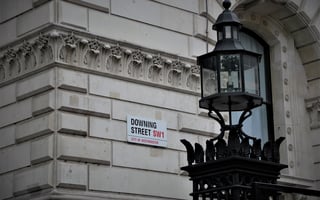
Two and a half years after coming to power, Boris Johnson’s time as Prime Minister is coming to an end. It has been a period marked by challenges and scandals. And it ended in humiliation as he suffered more resignations than any other Prime Minister in modern history.

Sky News says it is noticing more interventions from PRs when they don’t like the questions their spokespeople are facing from journalists. Do you trust your spokespeople to answer questions on contentious issues?

Would you like to have more influence over the senior leaders in your organisation? Maybe you need them to have a better understanding of the value of media opportunities. Perhaps you want them to be available for more media interviews.

Inflation is soaring, the country is crippled by strikes, and Kate Bush is number one in the charts. That’s enough to lead some to suggest the UK is returning to the 1970s.

Golf, but louder”. That’s how a new lucrative and controversial golf tournament has been billed.

Another week, and yet more stories about what politicians got up to when covid restrictions were in place.

We often talk about the importance of creating eye-catching messages. One message we saw this week succeeded in grabbing attention.

What would you do if a senior leader was dismissive of the media opportunities you secure and was reluctant to be interviewed?

It is not often a journalist reveals how they think a tricky question should have been answered.

How’s your ‘to do’ list looking? Are you finding you spend too much time in meetings and administration and not enough on your core priorities?
