
8 tips for handling a social media crisis
Here are eight tips, from our social media training courses, to help those of us who have to pick up the pieces when things go wrong on social media.

Here are eight tips, from our social media training courses, to help those of us who have to pick up the pieces when things go wrong on social media.

It was always likely to be a challenging interview. The Iceland supermarket chain had already received some negative media coverage after it emerged it had removed its labelling from some of its own-brand goods rather than remove palm oil from its entire range. So when managing director Richard Walker appeared on BBC Breakfast on Saturday to discuss the story he would surely have expected some tough questions. So how did he do?

At what point should an organisation put its CEO in front of the media during a crisis? This was a question that came up during a recent crisis communications exercise which we held for one of our clients.

For those not familiar with the term Bridging, it is a media training technique which helps spokespeople take control of interviews.

Jamie Carragher’s recent actions have delivered a potentially devastating blow to his public image.
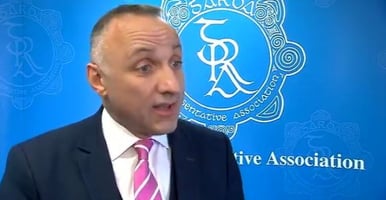
Just when I began to wonder what I was going to write about today I stumbled across a truly calamitous media interview. In fact such was the awkward nature of the interview that it instantly brought back memories of the infamous exchange between Jeremy Paxman and Michael Howard.

The eight phrases we believe presenters must avoid:

Being asked to deliver a presentation is enough to give some people shaky knees. But what about when you are asked to write a presentation for someone else to deliver? Here are seven tips from our presentation skills training courses:

Navigate tricky interview questions with confidence. Discover strategies to handle hypothetical, accusatory, and competitor-related questions effectively in media interviews.

But if making a presentation is fear-inducing, being asked to deliver one you haven’t written can be positively terrifying and very challenging.

Our tips for managing a crisis media management incident caused by a cyber-attack:

People want to hear stories about other people, not policies, protocols and strategies. They want to know what your announcement means for real people in real life situations. Often the strongest examples, the ones which really stimulate emotions in the audience and persuade them to give money, take action, support an idea or buy a product, are those which are personal to the spokesperson.

On our media training courses we talk to delegates about the importance of trying to exert some control early in an interview. This can be done through techniques such as bridging and by the spokesperson getting straight to examples in their initial answers rather than waiting to be asked.

It is often assumed the CEO or chief executive will front a crisis media management situation. But, although they should be visible, that does not mean they have to be the spokesperson. So if it doesn’t have to be the boss, who should you turn to when you have to deal with bad news? We have identified eight points you should consider when choosing your crisis spokesperson.

It’s no great secret that the key to emerging from a media interview successfully is to prepare properly. We’re pretty certain you know the importance of ensuring your spokesperson is aware of the messages, knows who the audience is and is prepared for the negative questions. But are you missing something? What could you do to enhance this preparation and ensure your spokesperson is in the best possible position for interviews?

It’s probably a scenario which will be familiar to many of you. Your pitch has gained a journalist’s attention and good publicity and widespread coverage are only an interview away. The only problem is the spokesperson has got cold feet and doesn’t want to be interviewed or simply isn’t returning your calls.

It is not so much a matter of ‘if’ a crisis hits your organisation as ‘when’. Our 14 point checklist will help you get that preparation right and think about what you need to do when crisis strikes.
Survive hostile media interviews with these 7 expert tips to maintain your composure and protect your reputation. Learn how to handle aggressive questioning effectively.
Whilst it is impossible to predict the exact form a crisis media management situation will take, having a document that identifies risks and forecasts potential pitfalls is a great starting point for following the crisis comms mantra of expecting the unexpected.

Having a CEO refuse media training is a nightmare scenario for PR and comms officers. Here are some of the reasons given by CEOs for not having media training and how you can overcome them.

The biggest test to an organisation’s reputation is how it handles a crisis. To help you, here are the six things you need to focus on when you are in the eye of the storm.

Every organisation, big or small, needs spokespeople who can promote its achievements and defend its reputation in a crisis.

Here’s a question which comes up regularly on our media training courses - should you ever go ‘off the record’ with a reporter?

When an organisation finds itself in a crisis you can almost guarantee that the chief executive or company chairman will be thrust in front of the media glare as the spokesperson.

‘Has this press release been seen by everyone?’ is a question that strikes a sense of dread into comms managers. It means your carefully crafted words, designed to grab the attention of the world’s media, have to be approved by a number of senior colleagues around the organisation, many of whom may not have any comms experience, media training or understanding of how the media works.
