
Jargon sees spokesperson waste opportunity to promote environment scheme
If you heard a media spokesperson talk about ‘being synonymous with circularity’, would you know what they were talking about?
If you heard a media spokesperson talk about ‘being synonymous with circularity’, would you know what they were talking about?

Zoom has become a household name in the past few months. Media interviews, meetings with teams and clients, school lessons and even catch-ups with friends have been taking place online.
Radio might lack the glamour of TV. And it may not create the storms that newspapers can generate. But it can grab attention like nothing else and it presents a great opportunity for your organisation to get its message across.

“Guff.” That was the verdict of one journalist on a statement he was handed when a company refused to make a spokesperson available.

It is always interesting when we ask for delegates’ perceptions of journalists and the media at the start of our media training courses.

How would you feel about working from home until the summer of next year? That idea may fill you with dread if you’ve been longing for a return to the office. Others may have adapted to this new way of working and be pleased that it is set to continue.
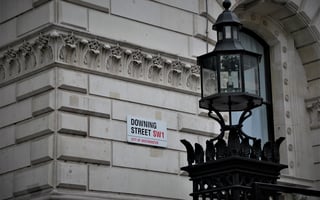
Boris Johnson is on the lookout for a spokesperson to front live press briefings that will be televised to the country.
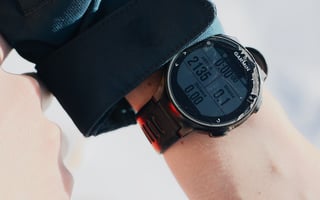
Do you have a Garmin watch? If you don’t, you probably know someone who uses the GPS and fitness tracking equipment.
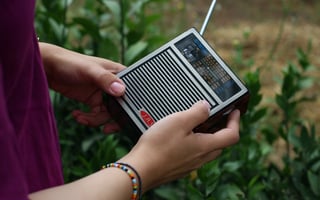
Imagine a journalist turning around to you or your spokesperson mid-interview and asking ‘why are you answering the questions like that?’.
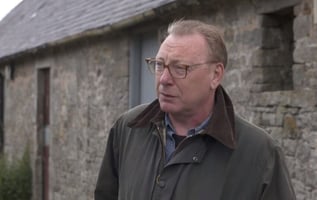
One day we are looking at the problems Huawei is facing in media interviews and the next we are analysing an interview about turning grouse moor into a nature reserve.

When we look in this media training blog at the mistakes that are made in media interviews, we often focus on the performance of individual spokespeople.

One bank has been giving its customers plenty of reasons to scowl in the past few days. Technology woes left them unable to access their accounts for days.

“What’s your favourite cheese?” Not the type of question you would expect to face from one of our current working journalist tutors during one of our media training courses.

The lockdown is gradually easing and more of normal life is slowly returning. Many businesses either have teams already back in the workplace or are planning for a safe return in the coming weeks and months.
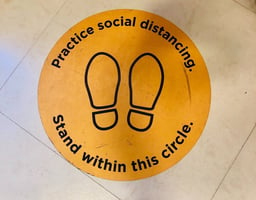
We are all now using words and phrases every day that few of us had heard of at the start of the year.

If you tuned into the radio yesterday morning you may have heard a journalist repeatedly ask a spokesperson to provide an example to support a claim.

This weekend marks a significant next step in the easing of lockdown restrictions. Pub, cafes, restaurants, cinemas, hotels, caravan parks, theme parks and bingo halls are among the businesses and attractions that can reopen on Saturday (4/7) as the two-metre social distancing rule is replaced by ‘one metre plus’.

Have you stopped looking to gain positive media coverage because of the coronavirus pandemic? If you have, then you are not alone.
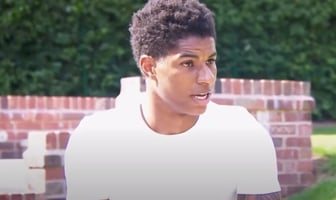
Without scoring a goal or even kicking a ball, Marcus Rashford became one of the heroes of the lockdown. The Premier League star’s campaigning has helped more than a million disadvantaged children get access to a free meal during the school summer holidays.
Little by little more normality is returning to our lives. We are now able to meet more people, play some sports and non-essential shops have opened their doors for the first time in months.

It can feel like coronavirus is the only story around. Endless broadcast coverage, devastating headlines, pages of print and press conference beamed directly into our homes.

Picture the scene. You are pretty sure your spokesperson is coming towards the end of their media interview.

Announcing a reduction to your workforce is a daunting and unpleasant challenge for any leader and organisation. It is even harder if just a couple of months earlier you had promised those same workers that their jobs would be safe.

Explaining complex information and ideas is not easy. And it can be even harder to communicate it effectively in media interviews. Many interviews are based on complex information. Think how many stories are in the news about scientific breakthroughs, academic research, technological advancements and healthcare improvements.
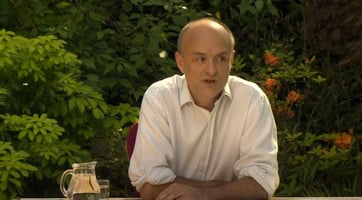
Everyone seems to have had their say on Dominic Cummings and his infamous trip to Durham. It has dominated the news agenda for much of the past week.

It’s everyone’s worst nightmare. You’re in the middle of a presentation or coming to a critical point in a media interview and suddenly your mind goes blank.

When was the last time you saw a spokesperson interviewed in a studio? For the time being at least, coronavirus has made face-to-face interviews a thing of the past.
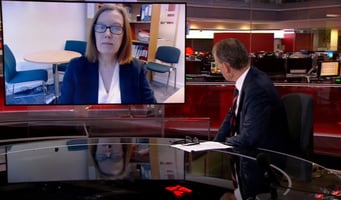
You won’t be surprised to learn that as a media training company, we watch a lot of interviews. There’s always something others can learn from them.

How are you managing with the move to online meetings? Are you finding that they are less focused? Are attendees taking it as an invitation to multi-task? Are you finding that a couple of participants are dominating the conversation while others seem to be zoning out?

It is not often a spokesperson feels the need to apologise after a media interview. But that is what one chief executive did after his TV performance was met with damaging headlines and a social media backlash.
