
Remote interview ‘termination’ becomes the story
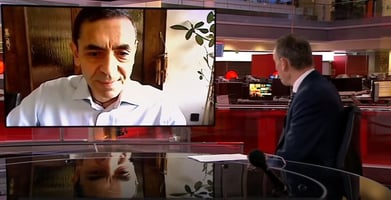
So, now we know what it looks like when a spokesperson effectively walks out of a remote interview.

So, now we know what it looks like when a spokesperson effectively walks out of a remote interview.

Every time the Prime Minister announces he is holding a press conference on the latest pandemic developments, our social media timeline is filled with people playing ‘Boris Briefing Bingo’.

We've reached day four of our guide to the spokespeople and interviews that stood out for the right reasons this year.

We've reached day three in our look back at the spokespeople who got right in 2020. There has been a scientific feel to our selections so far, with professors Jonathan Van-Tam and Sarah Gilbert included in the first two days.

It's the second day of our look back over the spokespeople and interviews that stood out for all the right reasons this year.
We’ve already put together our compilation of the worst interviews of the year, and will also be showcasing the 10 worst interviews from the past decade.
We've reached the final day of our look back at the best interviews and spokespeople of 2020. We have already highlighted the excellent performances of Jonathan Van-Tam, Sarah Gilbert, Marcus Rashford and Andy Hall.

It has been a year like no other. But it is not going to stop us from taking our annual look back at the spokespeople who got it wrong over the past 12 months and the media training lessons that can be learnt from their performances.
Delegates on our media training courses often fear a Jeremy Paxman style interview. The former Newsnight presenter’s reputation for challenging interviews and fearsome questions remains intact despite his retirement.
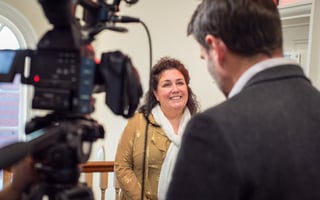
Have you ever wondered exactly what you would learn on a media training course? Would it be beneficial to hear from some recent delegates about what they took from the training and how they believe it will help them in their daily work?
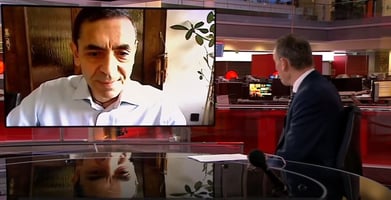
We always stress the importance of personal examples, anecdotes and stories in interviews on our media training courses.

Often at this time of year, our media training blog focuses on the word of the year. Unsurprisingly, ‘lockdown’ has scooped that particular honour in 2020. As we’ve all probably heard more than enough of that particular word lately, we thought we would instead focus on the phrase that has been voted the country’s most-loathsome jargon.

“Cold, calculated, evasive answers.” “Sounding like a robot. Not answering questions.” These are just some of the criticisms we saw on social media about one spokesperson’s performance during a TV interview last week

Criticising the journalist. Complaining about tough questions. And walking out before it ended. It’s no wonder that Donald Trump’s 60 Minutes interview has been dominating the news.
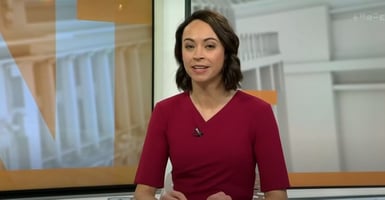
Delegates on our media training courses often fear they are going to be put through a Jeremy Paxman style interrogation. Others worry about facing combative interviews from the likes of Nick Ferrari, Kay Burley and Eddie Mair.
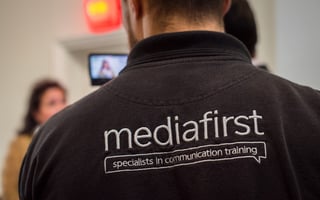
Have you ever wondered what it feels like to take part in one of our media training courses? Well, one of our clients, Lymphoma Action, allowed us to shadow their course so that others could see how they felt, what they found most challenging and what they learnt.

“Say it. Mean it. Put it down in legislation.” This was the key message in a media interview that grabbed our attention last week. It is a message that certainly includes some of the factors of effective messaging that we look at in our courses in media and message development & testing courses.

Have you heard the one about the onions that were too sexy for Facebook? As weird as that introduction sounds, it is not the start of a joke.

Passion is an important quality for an effective media spokesperson. It helps to draw the audience in, maintain their attention and keep them listening.

When Maggie Ogunbanwo's family home and business was the target of a hate crime, growing her profile couldn’t have been further from her mind.

Sometimes it is the shortest interviews that catch your attention. Listening to the radio the other day, it was not the endless reports and debates on Covid testing or the latest Brexit development on the Internal Markets Bill that stood out.

We’ve always prided ourselves on making our media training courses as close to the real thing as possible.

We’ve highlighted several media interviews recently where spokespeople have tried to manage difficult questions by answering something completely different.
Sometimes there are plenty of things for your organisation to shout about and use to try to gain crucial media coverage.
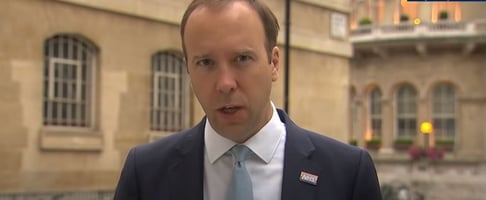
It is always great when you lovely readers and our social media followers let us know about interviews that you would like us to focus on in this media training blog.

Imagine you are in a broadcast interview and a journalist asks you something you simply do not know how to answer.

We’ve looked in some detail in this media training blog about how coronavirus has changed the broadcast media landscape.
If you heard a media spokesperson talk about ‘being synonymous with circularity’, would you know what they were talking about?

Zoom has become a household name in the past few months. Media interviews, meetings with teams and clients, school lessons and even catch-ups with friends have been taking place online.

Radio might lack the glamour of TV. And it may not create the storms that newspapers can generate. But it can grab attention like nothing else and it presents a great opportunity for your organisation to get its message across.
