
What does Unilever’s ESG backtrack mean for other brands?
The poster boy of ESG is scaling back some of its commitments, including on plastics and diversity. What does this mean for other organisations?

The poster boy of ESG is scaling back some of its commitments, including on plastics and diversity. What does this mean for other organisations?

Why is the media coverage so often dominated by negative news? It’s a question often asked by delegates during our media training courses. We’ve all seen examples of negative stories going almost instantly viral.

Pitching isn’t easy, is it? It can be hard to know which journalists to target. And it can be even trickier to grab their attention. The good news is journalists want to receive pitches.

What went wrong with this interview? And how could it have been better handled? Find out in this blog.

How can you newsjack successfully? And how can you reduce the risk of it backfiring? Find the answers in the article

Media First's media interview preparation checklist guides you to deliver with authority and professionalism. Craft clear responses and handle crisis situations with ease.

Looking to improve your business success? Unlock the power of strong verbal communication skills with Media First's expert training. From persuasion techniques to virtual communication strategies, enhance your impact and achieve your goals.

How can you write an attention grabbing op-ed that brings a return on your investment in time and effort? Find the answers in this article.

Almost all of us suffer from self-doubt or a lack of confidence at times. So, how can you overcome these thoughts, stop them from becoming persistent and prevent them from holding you back? These were some of the questions we explored during our recent masterclass for members of The Media Team Academy.

The info you need from a new report that shows how you can improve your chances of gaining better coverage.

Stakeholders play a crucial role in public relations and the success of your organisation. And developing and maintaining relationships with them can be challenging, particularly when time is short, budgets are tight, and resources are stretched. So, how can you better manage those stakeholder relationships? This was a question we explored in our latest masterclass for members of The Media Team Academy, where we were joined by Guy Esnouf, communications and stakeholder engagement director at Radioactive Waste Management.

What crisis communication lessons can others learn from this latest corporate leadership catastrophe? Find out in this blog

It can be hard to know quite what to believe on April 1. Social media is full of organisations issuing fake announcements, mock videos and made-up press releases.

Analysis of how the communication around the Nicola Bulley missing person investigation was handled and the mistakes that were made.

Have you considered using AI to write your crisis responses? Here's what happened when one organisation use it and the lessons you can learn.

Working in a comms or media team can take its toll. The work is fast-paced - even more so when managing a crisis media management incident or challenging situation - and you need to keep your eye on what is happening. So, how can we better manage this mental health burden? That was the topic of our latest masterclass for members of The Media Team Academy.

Have you ever had the advice "just be yourself" in a media interview? Find out what it looks like when someone does just that.
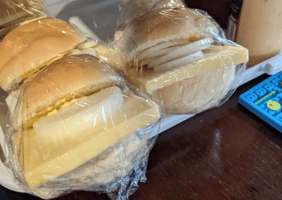
Why did these pub rolls gain so much media attention? And what do they teach us about the media's appetite for unusual stories?

You may manage a team. You might not have line management responsibility, but you lead projects. Maybe you need to manage sideways.

Do you want to be less of a ‘doer’ and more of a manager or strategic adviser? It’s tricky, isn’t it?

Communication is made up of more than the words we use. Experts believe that between 70 and 93 per cent of all communication is non-verbal. Eye contact, smiling, hand gestures and posture can heavily influence how people interpret and react to information.

How do you get your sustainability story out there? How do you make them believable? And how do you avoid being accused of greenwashing?
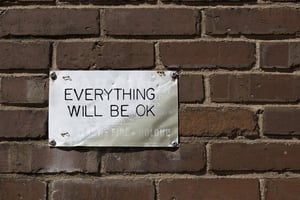
How’s your day going? Have you just come out of a tough meeting? Maybe that campaign you have been working on has not generated much coverage.

We’ve often said in these blogs and during our crisis communication training courses that a crisis can strike any organisation at any time.

Comms can be a challenging place to work. It can sometimes feel as if it is full of setbacks, pressures and demands. Maybe your latest campaign has been changed by someone higher up in the organisation and has not got much coverage.

Creating the right message, and ensuring it is heard by your audience, is often harder than it sounds. You need something that stands out from the noise and that people absorb and can recall. That’s why our latest exclusive masterclass for members of The Media Team Academy focused on messaging.

So, you think you’ve got something interesting to say. An op-ed can be an excellent way to showcase your expertise and thought leadership to millions of people.

Getting your message right is crucial for successful media interviews. You want something that sounds natural, is easily remembered, sparks curiosity, triggers emotion and ultimately influences and persuades your audience.

Here’s a story that caught our eye. A council has announced it will no longer email ‘traditional press releases’ to journalists.
