
How to write an op-ed that will get published
So, you think you’ve got something interesting to say. An op-ed can be an excellent way to showcase your expertise and thought leadership to millions of people.

So, you think you’ve got something interesting to say. An op-ed can be an excellent way to showcase your expertise and thought leadership to millions of people.

Who should you put in the media spotlight when a crisis happens? Who should explain to the media what went wrong and set out what is happening to improve the situation?

Getting your message right is crucial for successful media interviews. You want something that sounds natural, is easily remembered, sparks curiosity, triggers emotion and ultimately influences and persuades your audience.

Here’s a story that caught our eye. A council has announced it will no longer email ‘traditional press releases’ to journalists.

There was a time when business and political activism were separate. Or so we are led to believe by those who tell us companies shouldn’t get involved in politics. Business is business, non-partisan, a bit like the civil service or journalism.
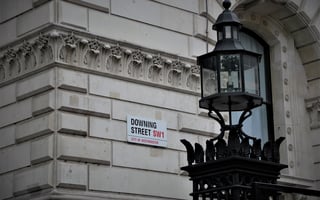
Two and a half years after coming to power, Boris Johnson’s time as Prime Minister is coming to an end. It has been a period marked by challenges and scandals. And it ended in humiliation as he suffered more resignations than any other Prime Minister in modern history.

Sky News says it is noticing more interventions from PRs when they don’t like the questions their spokespeople are facing from journalists. Do you trust your spokespeople to answer questions on contentious issues?

Would you like to have more influence over the senior leaders in your organisation? Maybe you need them to have a better understanding of the value of media opportunities. Perhaps you want them to be available for more media interviews.

Inflation is soaring, the country is crippled by strikes, and Kate Bush is number one in the charts. That’s enough to lead some to suggest the UK is returning to the 1970s.

Golf, but louder”. That’s how a new lucrative and controversial golf tournament has been billed.

Another week, and yet more stories about what politicians got up to when covid restrictions were in place.

We often talk about the importance of creating eye-catching messages. One message we saw this week succeeded in grabbing attention.

What would you do if a senior leader was dismissive of the media opportunities you secure and was reluctant to be interviewed?

It is not often a journalist reveals how they think a tricky question should have been answered.

How’s your ‘to do’ list looking? Are you finding you spend too much time in meetings and administration and not enough on your core priorities?
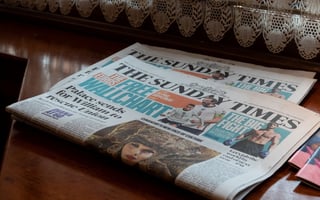
The negative language journalists use in their questions is something we explore regularly during our media training courses.

Writing is at the heart of good communication. Think about your job. You are probably writing all the time. You’ve possibly stopped writing to read this

When a crisis strikes, you ideally have about 15 minutes to respond. Some argue you have a maximum of an hour. Others say that at a time when news often breaks on social media, 15 minutes is too long.

Managing frustration in media interviews can be a challenge. Interviews do not always go as planned, and spokespeople may face unexpected and uncomfortable questions.
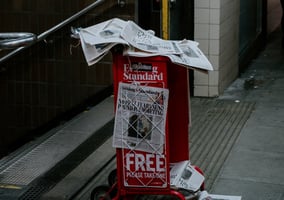
Have you ever wondered what journalists think of your attempts to grab their attention and gain crucial coverage?

How do you feel when one of your competitors is across the airwaves giving their thoughts on a story?

At the end of our presentation skills courses, we give our delegates a guide to help them continue their learning.

A crisis can take many shapes and forms. Each has the potential to generate social media storms, round the clock TV coverage and put brand reputations at risk.

Much of the way we work has changed. For many, the Monday to Friday 9-5 has been replaced by a hybrid model where the working week is split between home and the office.
