
Personal question serves up soundbite disaster
Personal questions have a history of tripping up media spokespeople. Could you handle one? Let us show you how to do it.

Personal questions have a history of tripping up media spokespeople. Could you handle one? Let us show you how to do it.
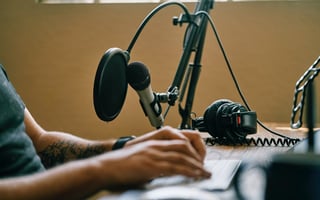
Your journalist is ready to fix a time for an interview. You’ve meticulously constructed your message and have your neat A4 briefing sheet ready. What next? How do you get a spokesperson ready for your interview? At a recent exclusive masterclass for members of The Media Team Academy, it was quickly established that, when it comes to preparing and briefing a spokesperson, one method doesn’t fit all.

The comment went viral. What does it tell us about the dangers of repeating negative language in media interviews?

Do you want to be less of a ‘doer’ and more of a manager or strategic adviser? It’s tricky, isn’t it?

Something bad has happened. Your organisation is in crisis media management mode and has been making headlines and trending on social media. How can you convince your customers to trust you again? And that’s why it was the focus of a masterclass for members of The Media Team Academy.

What made this interview stand out? And what media training lessons can other spokespeople learn from it?

Expert tips from our presentation skills training courses to help you show your personality in your next presentation.
Why is there so much “thanks for having me” on the airwaves? Why does it matter? And how should you start media interviews?

When it was confirmed the Prime Minster would break her silence on the economic turmoil by appearing on regional radio, there were suggestions she was taking an easy option.

Should business leaders show their emotions when leading crisis communication responses? Discover the answer in this article.

What crisis comms lessons can you learn from this tale of fuming holidaymakers, backtracks, U-turns and accusations of ruining holidays?

Our look at how brands responded to the death of Queen Elizabeth II. And what you must consider when posting at times of heightened national or global sensitivity.

Communication is made up of more than the words we use. Experts believe that between 70 and 93 per cent of all communication is non-verbal. Eye contact, smiling, hand gestures and posture can heavily influence how people interpret and react to information.

How do you get your sustainability story out there? How do you make them believable? And how do you avoid being accused of greenwashing?

How’s your day going? Have you just come out of a tough meeting? Maybe that campaign you have been working on has not generated much coverage.

All business leaders need to be able to speak with confidence, clarity and purpose and have the ability to persuade, compel and influence.

When you send your work, do you worry whether you’ve caught all the typos? They can be hard to spot.

We’ve often said in these blogs and during our crisis communication training courses that a crisis can strike any organisation at any time.

Did you hear the story about the CEO who posted a picture of himself crying after laying-off two members of staff? Braden Wallake’s LinkedIn post went viral and grabbed the attention of mainstream media.

Price is on everyone’s mind. As the cost-of-living crisis grips and purse strings tighten, we are all looking to find those small savings to help the household budget.

Comms can be a challenging place to work. It can sometimes feel as if it is full of setbacks, pressures and demands. Maybe your latest campaign has been changed by someone higher up in the organisation and has not got much coverage.

What happens when your media interview veers away from the subject you want to discuss? Can you steer it back? How do you do that?

Creating the right message, and ensuring it is heard by your audience, is often harder than it sounds. You need something that stands out from the noise and that people absorb and can recall. That’s why our latest exclusive masterclass for members of The Media Team Academy focused on messaging.
