
When trying to avoid panic leads to hysteria
It is understandable that health authorities don’t want the public to panic about the coronavirus. But could the desire to avoid that alarm and fear actually cause more hysteria?

It is understandable that health authorities don’t want the public to panic about the coronavirus. But could the desire to avoid that alarm and fear actually cause more hysteria?

We often find at the start of our media training courses that delegates have a fear of saying the wrong thing, being asked something they don’t know or being made to look silly when they are put in front of the cameras. These are all perfectly natural fears.
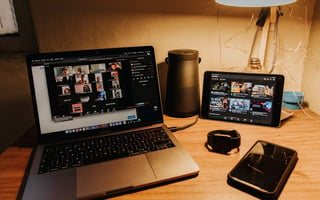
We’re all using it. Zoom has provided something of a lifeline during the coronavirus crisis, not just for businesses working remotely, but families and friends as well.
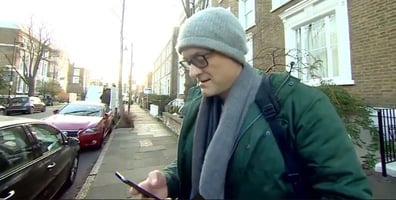
When it comes to disastrous responses to doorstep interviews, we thought we had seen it all. In this media training blog, we have covered examples where spokespeople have simply ignored the journalist and pretended they are not there; others have shouted at the camera or tried to shove it out of the way’; and some have offered a ‘no comment’ response, leaving viewers to wonder what it is they had to hide.
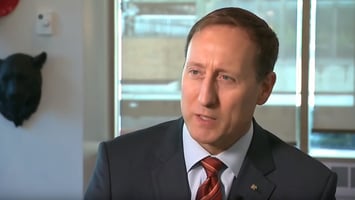
You have seen interviews where the spokesperson has brought proceedings to an abrupt end when they don’t like a line of questioning. But how about when the PR team becomes unhappy with the question?

In fact, it is a golden crisis communication training rule. But one organisation has decided that doing nothing and saying little is the best approach during its recent time in the spotlight.

When basketball star Kobe Bryant died in a helicopter crash along with eight other people, the reporting of the incident was rapid and often inaccurate. News organisations rushing to break big news is nothing new, but the digital age has increased that speed dramatically and that resulted, in this incident, in plenty of mistakes being made.

How’s this for an approach to a damaging story? A journalist calls you up to ‘clarify’ something you said and you deny that you had used a particular word.
“What are you doing wrong?” Perhaps not the nicest of questions, but should it need to be asked eight times before a spokesperson provides any semblance of an answer?

How often have you seen a good brand apology? While there seems to be more apologies than ever, few are effective. Many feel like they have been issued through gritted teeth. And then there are of course the non-apology apologies.

As we take the first tentative steps into the new decade, it seems a good opportunity to look back on some of the worst interviews of the past 10 years. We’ve left out some of the most recent ones – a little relief for Prince Andrew – as we’re sure you don’t need to read about them again now.
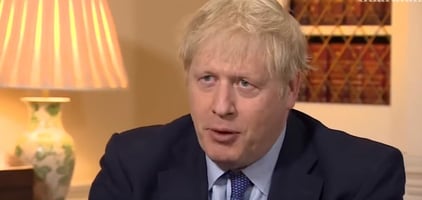
It was his first in-depth interview since winning the general election. So how did Boris Johnson get on when he sat down with BBC Breakfast inside Downing Street yesterday (14/1) for a live interview with Dan Walker?
It is the story that has dominated the news for the past few days. And while we have little to add to the endless overall coverage of the Meghan and Harry saga – or Megxit as it has inevitably been labelled - there is a crucial media relations and crisis communications element to the story which caught our eye.
Radio, print and TV interviews all have their specific requirements. But there is much more to it than those three categories, with each medium throwing up a range of different interview formats, each with its subtle nuances, which could trip up or unsettle an unsuspecting spokesperson. That’s why we offer every conceivable media interview format on our media training and crisis communication courses.

Having a powerful key message is a fundamental principle of any media interview. Whether you have a new product you are about to launch, have made a crucial scientific discovery or have been making news for negative reasons, you need a message that compels, convinces and persuades the audience.

While the bush fires in Australia have been gaining significant coverage in the UK, perhaps what has not come across quite so clearly here is just how much of a PR disaster its Prime Minister has been having.

Prepare for unexpected media interview questions by understanding why they are asked and learning effective techniques to handle them confidently. Discover expert tips in our latest blog post.

It has been another year packed with crises. Many have been self-inflicted scandals others have been harder to anticipate. Some have been handled well and in other cases, the way they have been managed has made things worse.
We have largely stayed clear of looking at the interviews produced by our politicians during the general election campaign. But now that we have cast our votes and the campaigning has finished, we can say that it was the media training gift that just kept on giving.

Hopefully, you will have already seen our compilation of the worst interviews of 2019. But what about those spokespeople who delivered strong media performance in the past year?
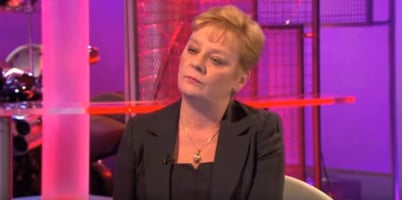
Observing one of our recent media training courses, I saw an interview I hadn’t seen before. It was shown towards the end, as the course touched on crisis communication and how to manage interviews when you are in the spotlight for the wrong reasons.

We’ve all been there at some point, desperately compiling our slide deck ahead of a key presentation or meeting. But what if there was a different way? What if you weren’t allowed to use slides?

You might have been expecting us to look at Jeremy Corbyn’s interview with Andrew Neil in today’s media training blog and perhaps discuss whether it was more of a disaster than Prince Andrew’s Newsnight interview. But, as Mr Neil still has a few more of the political leaders to scrutinise, it is probably best that we hold fire on that one for now.
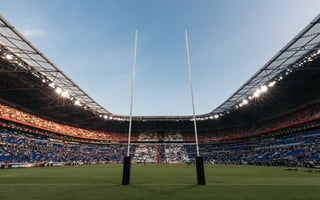
Last week was a strange one for media interviews. There was, of course, the now-infamous Prince Andrew interview with Newsnight. And at the other end of the scale, there was an interview given by a sporting star that went viral for completely different reasons.

Plenty has been said and written about Prince Andrew’s now-infamous interview. And if you saw our media training blog earlier this week, you’ll know that we have had our say.
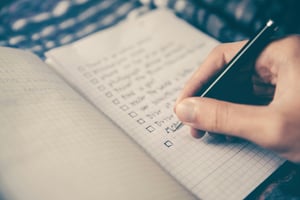
Learn the essential steps for effective media interview preparation, from anticipating questions to honing key messages, with insights from expert media trainers.
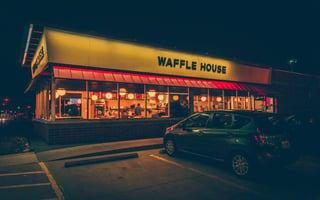
When you visit a restaurant, you don’t expect to find customers washing the dishes, taking the orders and brewing coffee. But that was the scene in one restaurant when customers realised there was just one overwhelmed member of staff on duty.
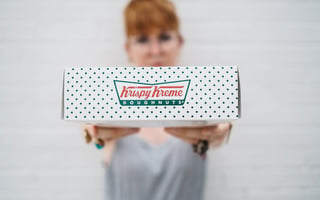
Have you heard the story about a doughnut company which almost turned a human-interest story into a reputational disaster but ultimately enjoyed the sweet taste of PR success?

We seem to say it every year, but the past 12 months has produced plenty of terrible media interviews. In 2019, this media training blog has included examples of spokespeople storming out of interviews, criticising questions, saying things which make a company crisis worse and even cameras being head-butted.

We thought we had seen it all when it comes to doorstep interviews disasters. Over the years we’ve seen hands placed over cameras, microphones pushed away, spokespeople completely ignoring the media and even one politician who kept repeating ‘I’m eating a cookie’ in response to every question.
