.png?width=147&height=56&name=image%20(1).png)
What can you learn from this staggering media interview?
What happens when a PR professional interrupts a media interview? Discover the fallout from the latest example and how you can avoid this situation.
What happens when a PR professional interrupts a media interview? Discover the fallout from the latest example and how you can avoid this situation.

Journalists need interesting spokespeople, so those who are bland and say nothing of any real interest are unlikely to be asked to come back again. So if your spokespeople are so fearful of media interview mistakes that they are missing the opportunities they present, what can they do about it?
How can you put your concerns behind you and become a better public speaker? Read the lessons from our presentation skills webinar.

There’s often much to be learnt from the way others perform in media interviews. Highlighting both the good and the not so good performances can help others prepare for their time in the spotlight and understand what to expect.

What makes a good media spokesperson? Well, you need someone articulate. And they should be confident and comfortable with the subject being discussed.
We’ve written before in our media training blogs about spokespeople who start their responses with ‘so’. It’s an infuriating habit we continue to hear in TV and radio interviews.

You’ve just carried out a series of TV interviews. What do you want the viewers to be talking about? That crucial message you were aiming to get across?
So, now we know what it looks like when a spokesperson effectively walks out of a remote interview.
.jpg?height=200&name=good-bad-corona%20(1).jpg)
It's the second day of our look back over the spokespeople and interviews that stood out for all the right reasons this year.
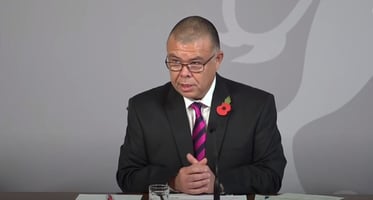
We’ve already put together our compilation of the worst interviews of the year, and will also be showcasing the 10 worst interviews from the past decade.
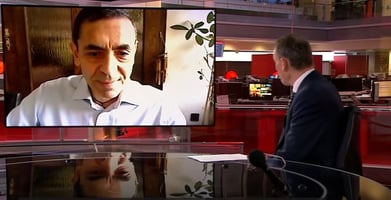
We've reached the final day of our look back at the best interviews and spokespeople of 2020. We have already highlighted the excellent performances of Jonathan Van-Tam, Sarah Gilbert, Marcus Rashford and Andy Hall.
It has been a year like no other. But it is not going to stop us from taking our annual look back at the spokespeople who got it wrong over the past 12 months and the media training lessons that can be learnt from their performances.
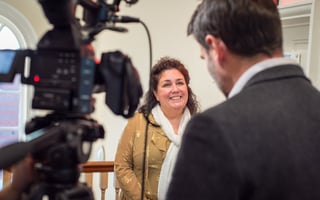
Have you ever wondered exactly what you would learn on a media training course? Would it be beneficial to hear from some recent delegates about what they took from the training and how they believe it will help them in their daily work?
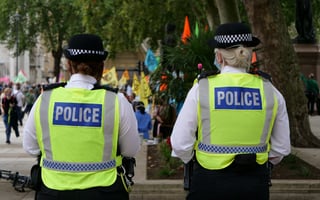
“Cold, calculated, evasive answers.” “Sounding like a robot. Not answering questions.” These are just some of the criticisms we saw on social media about one spokesperson’s performance during a TV interview last week
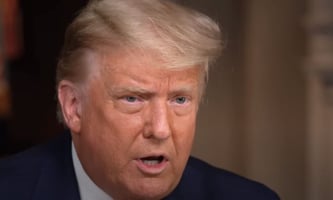
Criticising the journalist. Complaining about tough questions. And walking out before it ended. It’s no wonder that Donald Trump’s 60 Minutes interview has been dominating the news.
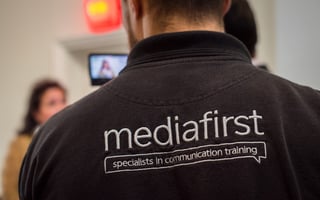
Have you ever wondered what it feels like to take part in one of our media training courses? Well, one of our clients, Lymphoma Action, allowed us to shadow their course so that others could see how they felt, what they found most challenging and what they learnt.

We’ve always prided ourselves on making our media training courses as close to the real thing as possible.
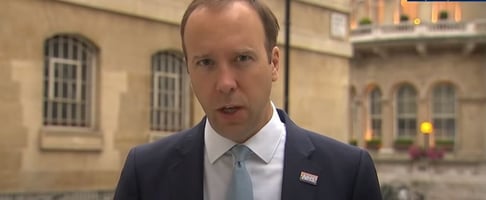
It is always great when you lovely readers and our social media followers let us know about interviews that you would like us to focus on in this media training blog.

“Guff.” That was the verdict of one journalist on a statement he was handed when a company refused to make a spokesperson available.
It is always interesting when we ask for delegates’ perceptions of journalists and the media at the start of our media training courses.
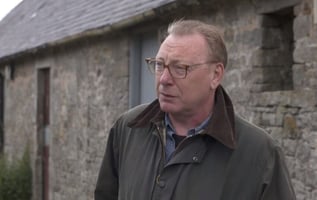
One day we are looking at the problems Huawei is facing in media interviews and the next we are analysing an interview about turning grouse moor into a nature reserve.
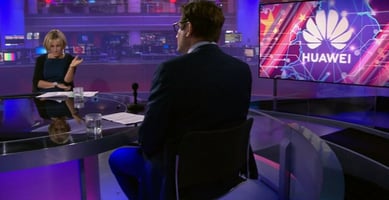
When we look in this media training blog at the mistakes that are made in media interviews, we often focus on the performance of individual spokespeople.
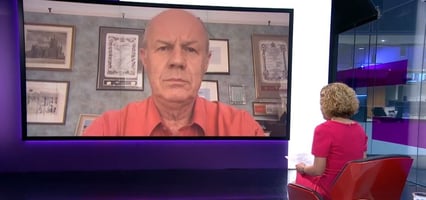
Little by little more normality is returning to our lives. We are now able to meet more people, play some sports and non-essential shops have opened their doors for the first time in months.
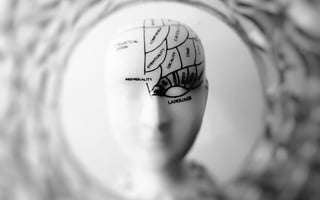
It’s everyone’s worst nightmare. You’re in the middle of a presentation or coming to a critical point in a media interview and suddenly your mind goes blank.
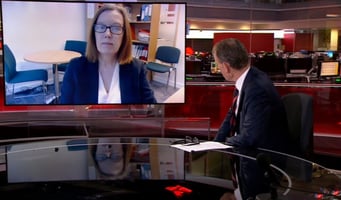
You won’t be surprised to learn that as a media training company, we watch a lot of interviews. There’s always something others can learn from them.
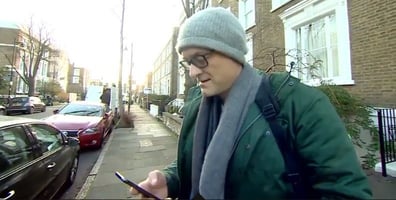
When it comes to disastrous responses to doorstep interviews, we thought we had seen it all. In this media training blog, we have covered examples where spokespeople have simply ignored the journalist and pretended they are not there; others have shouted at the camera or tried to shove it out of the way’; and some have offered a ‘no comment’ response, leaving viewers to wonder what it is they had to hide.
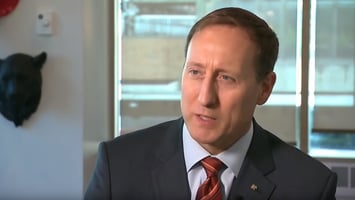
You have seen interviews where the spokesperson has brought proceedings to an abrupt end when they don’t like a line of questioning. But how about when the PR team becomes unhappy with the question?
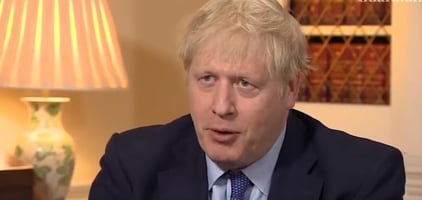
It was his first in-depth interview since winning the general election. So how did Boris Johnson get on when he sat down with BBC Breakfast inside Downing Street yesterday (14/1) for a live interview with Dan Walker?
Radio, print and TV interviews all have their specific requirements. But there is much more to it than those three categories, with each medium throwing up a range of different interview formats, each with its subtle nuances, which could trip up or unsettle an unsuspecting spokesperson. That’s why we offer every conceivable media interview format on our media training and crisis communication courses.
We have largely stayed clear of looking at the interviews produced by our politicians during the general election campaign. But now that we have cast our votes and the campaigning has finished, we can say that it was the media training gift that just kept on giving.
