Skip to content

CRISIS SIMULATION EXERCISES AND TESTING

Test plans. Challenge assumptions. Build
confidence.

Most organisations have crisis plans.

But the real question is whether those plans will work when information is
incomplete, decisions need to be made quickly and stakeholders are
demanding answers.

Media First designs and delivers realistic crisis exercises that help
organisations test preparedness, challenge assumptions and strengthen
response capability before a real incident occurs.

crisis testing hero
MEDIA FIRST — Crisis simulation exercises and testing

Test plans. Challenge assumptions. Build confidence.

Media First designs and delivers realistic crisis exercises that help organisations test preparedness, challenge assumptions and strengthen response capability before a real incident occurs.

WHY TESTING MATTERS

Discover what works before a crisis does.

A written plan can only tell you so much.

Exercises and simulations reveal how people make decisions, communicate under pressure and work together when facing uncertainty.

They help identify gaps, clarify responsibilities and provide valuable insights that strengthen preparedness across the organisation.

The aim is not to catch people out. It is to build confidence, improve decision-making and help organisations become more resilient.

HOW WE TEST CRISIS CAPABILITY

Different levels of challenge. Different levels of realism.

01

Tabletop Exercises

Facilitated discussions that help teams explore scenarios, challenge assumptions and validate plans in a structured environment.

02

One-day Crisis Simulations

Realistic, time-pressured exercises designed to replicate the challenges of a live incident. Participants experience evolving events, stakeholder pressure and complex decision-making in a safe learning environment.

03

24-Hour and Multi-Day Crisis Tests

Multi-hour and multi-day exercises that test decision-making, coordination and communication over extended periods, replicating the pace, uncertainty and complexity of significant incidents.

TECHNOLOGY-ENABLED SIMULATIONS

Bringing crisis
exercises
to life.

Media First uses the Conducttr crisis simulation platform to create immersive, realistic and highly engaging crisis exercises.

The platform creates a realistic environment where teams face evolving media scrutiny, stakeholder reactions, social media pressure and operational developments as events unfold.

Combined with experienced facilitators, role players and working journalists operating under strict confidentiality agreements, this creates exercises that closely mirror the pace, uncertainty and complexity of a real crisis.

This allows teams to test not simply whether their plans work, but how effectively they communicate when pressure is highest.

WHAT WE TEST

Testing more than just your crisis plan.

A successful crisis response depends on far more than having a documented plan. Our exercises are designed to test how people communicate, make decisions and respond when information is incomplete, pressure is increasing and expectations are changing. Depending on the objectives of the exercise, we can test:

Media and Journalist Handling

Test how media teams respond to realistic enquiries, interviews and scrutiny from experienced working journalists operating under strict confidentiality agreements. Teams are challenged with media calls, deadline-driven enquiries and developing stories that test both processes and judgement.

Spokesperson Performance

Test how effectively spokespeople and media teams communicate through realistic interviews, recorded statements and live questioning. Exercises help leaders and subject matter experts maintain message discipline, explain complex issues and provide reassurance.

Crisis Messaging

Test not only whether crisis messages are approved, but whether they work in the real world. Exercises assess whether communications provide sufficient empathy, action and reassurance for different stakeholder groups.

Stakeholder Communications

Test how employees, customers, regulators, investors and partners react as a crisis develops. Exercises explore whether communications meet different stakeholder expectations at different stages of an incident.

Team Coordination and Decision-Making

Test how information is shared, decisions are made and responsibilities are managed during evolving incidents. Exercises help organisations understand how effectively teams work together under pressure.

MEET SOME OF THE PEOPLE YOU COULD WORK WITH

Experienced facilitators. Better-prepared teams.

Crisis exercises are only as good as the people who design and facilitate them. Our team combines experience in crisis management, communications, journalism and organisational resilience to create realistic scenarios that challenge assumptions, test plans and build confidence before an incident occurs.
 
SeanRyan1_small

Sean Ryan

Crisis Communications & Strategic Leadership

Supports organisations with crisis communications, leadership communication and organisational resilience. Drawing on more than 30 years' experience in senior journalism and communications leadership, Sean helps organisations prepare for, respond to and recover from high-pressure situations.

Before joining Media First, Sean held senior editorial roles at The Sunday Times, including Associate Editor and Foreign Editor, leading coverage of major global events, investigations and breaking news stories. He later spent a decade as Director of Media and Communications at Save the Children, advising senior leaders on reputation, risk and crisis response in challenging environments across Gaza, Ukraine, Haiti, Somalia and Myanmar.

Sean has led or reported on many of the most significant corporate and organisational crises of recent decades, including BP's Deepwater Horizon disaster, Volkswagen's emissions scandal, Malaysia Airlines MH370 and P&O. He brings a calm, pragmatic approach to crisis testing, helping leadership teams make sound decisions, maintain stakeholder trust and communicate effectively when scrutiny is at its highest.
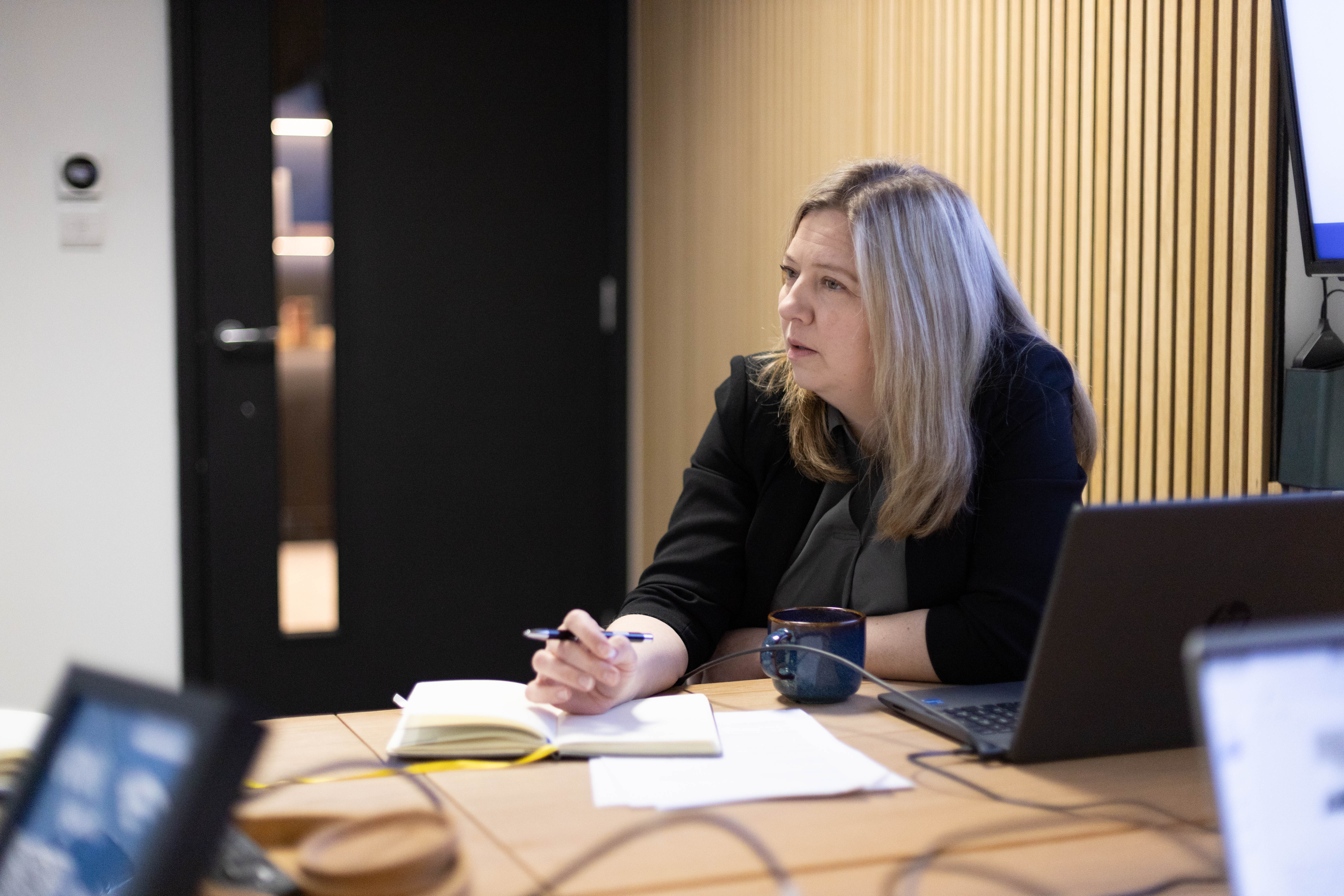
Elisa Colton

Elisa Colton

Stakeholder Engagement, Media Insight & Organisational Resilience

Supports organisations with strategic communication, stakeholder engagement and organisational resilience. Combining nearly 20 years of journalism and communications experience with extensive coaching and facilitation expertise, Elisa helps teams communicate clearly and confidently when facing uncertainty, change or public scrutiny.

Elisa began her career in local newspapers before moving into broadcasting. During her journalism career she worked for the BBC, BBC Radio 5 Live and Al Jazeera English, serving as a political correspondent, radio presenter, producer and reporter. She has covered breaking news, reported live for BBC Breakfast and worked in fast-paced newsroom environments where clear communication and sound judgement are essential.

Today, Elisa works with leadership teams and spokespeople to strengthen communication performance, stakeholder engagement and organisational resilience. Her newsroom experience gives her a deep understanding of how stories develop, how audiences react during periods of uncertainty and what organisations need to do to maintain credibility and trust when under pressure.
paul_cropped_small

Paul Brennan

Senior Journalist Tutor

Paul has more than twenty years' experience as a journalist across print, radio and TV. Over the years, he has worked across regional and network newsrooms for the BBC, ITV and Five News as a reporter, producer and presenter. Paul’s interviewees have been as diverse as Nobel Prize winners to Big Brother “celebrities”. As a news correspondent, he covered countless general elections, floods and major trials and helped his evening magazine programme secure an RTS Award for news coverage - twice. Away from live television and the studio sofa, Paul has a wealth of experience in media training and presentation skills coaching. He works with public, private and third sector clients including global CEOs, politicians, academics, health and education leaders and international diplomats. This includes crisis simulations, key message management, studio exercises and speech writing.
victoria-s-crop_small

Victoria Smith

Media and Communications Course Director

Victoria is a Sony-award nominated TV, radio and print journalist with a background at Euronews, ITN, the BBC and The Associated Press. She was the UK correspondent for Euronews TV, reporting on news and politics and has interviewed everyone from Prime Ministers to pop stars. Victoria was the welfare correspondent for BFBS (British Forces News TV and radio) where she made films about life after conflict. She was a regular presenter for the channel’s flagship programme, and continues to report on a range of stories. For radio, she was the afternoon newsreader for Classic FM, and a senior producer for Vanessa Feltz and Jeremy Vine on BBC Radio 2. She also presented her own radio series on LBC. Victoria has written for the Times, the Telegraph and Time Out.
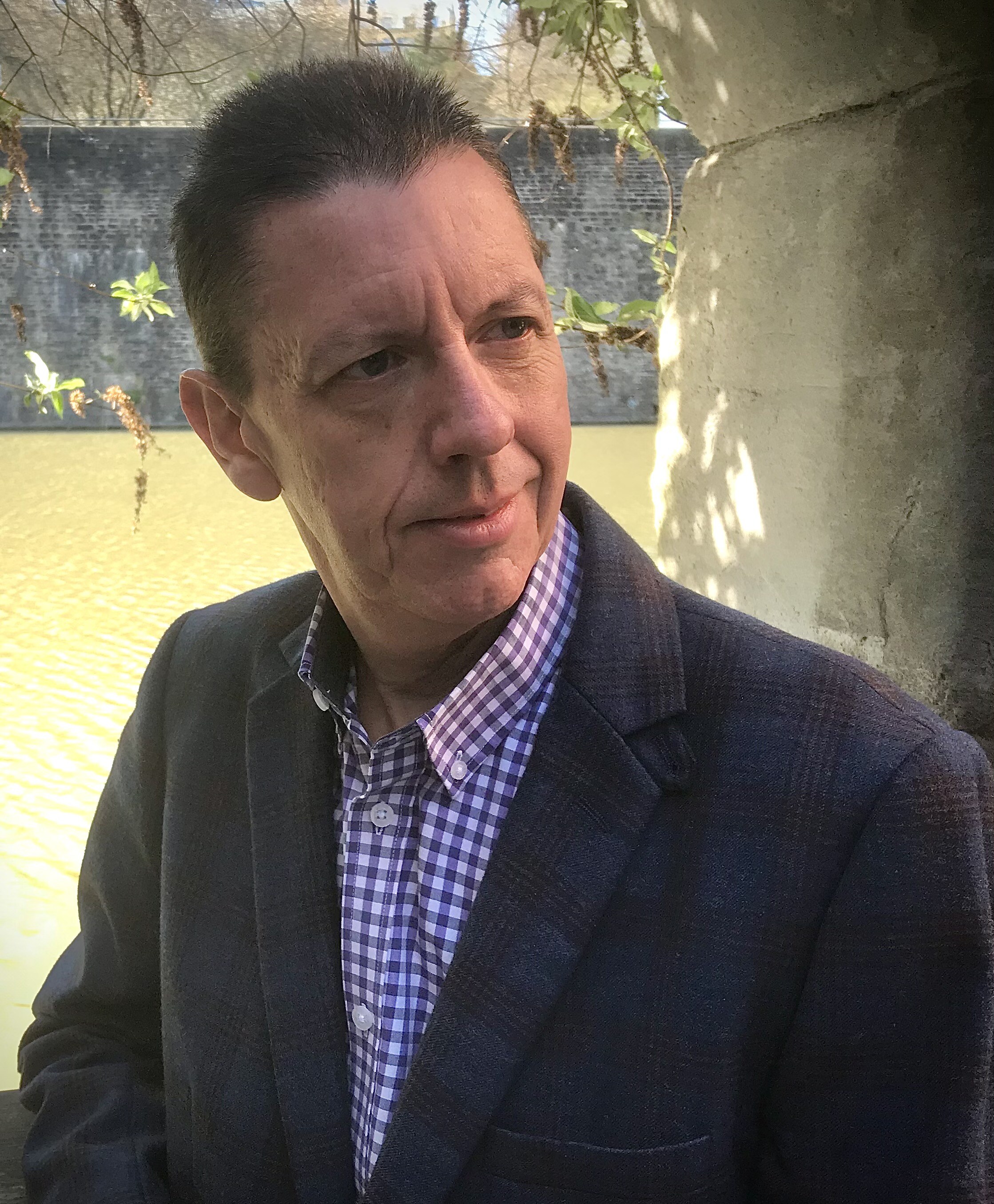
mike_pearse

Mike Pearse

Senior Journalist Tutor

With over thirty years reporting experience, Mike has reported live from all over the world following key issues from plane crashes to interviews with key political leaders and celebrities. Mike has produced many live programmes and made himself the front page of every national newspaper when he exposed airport security lapses by famously smuggling a fake gun on a plane in the wake of 9/11. It led to a Government inquiry and the increased security we see today at airports. Mike was the lead producer for many of ITV News corporate films from leaders' debates and awards ceremonies to highly sensitive and controversial communications issues including major restructuring and changes to working practices. Most recently he produced a landmark documentary with Julie Etchingham looking at how ITV covered and coped with Covid-19. 
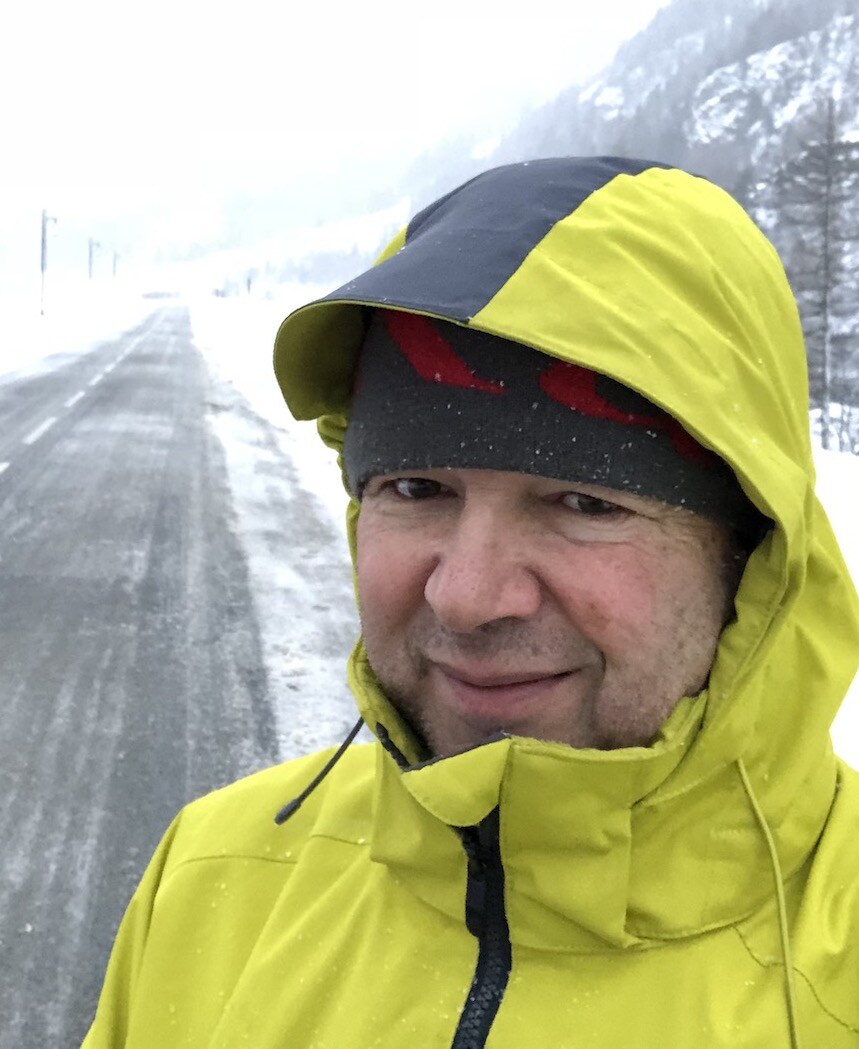
charles-abel

Charles Abel

Senior Journalist Tutor

During a 23 year career with multi-media publisher Reed Business Information, Charles led a large editorial team committed to creating compelling content, winning the prestigious PPA Magazine and AOP Website of the Year awards in the process. He is an experienced news, business and technical journalist, with a tenacious determination to discover the truth behind the stories of the day. Whether it is controversial technologies or new policies, financial complexity or corporate restructuring, new launches or crisis handling - Charles provides blue chip and public sector organisations with the skills to face the toughest interviews. Charles specialises in providing training to senior executives who want to handle media relationships more effectively, and also brings his extensive expertise in communications, PR and editorial services to Media First. He has worked throughout the UK, Europe, Middle East and Far East to help countless organisations take greater control of their message management.
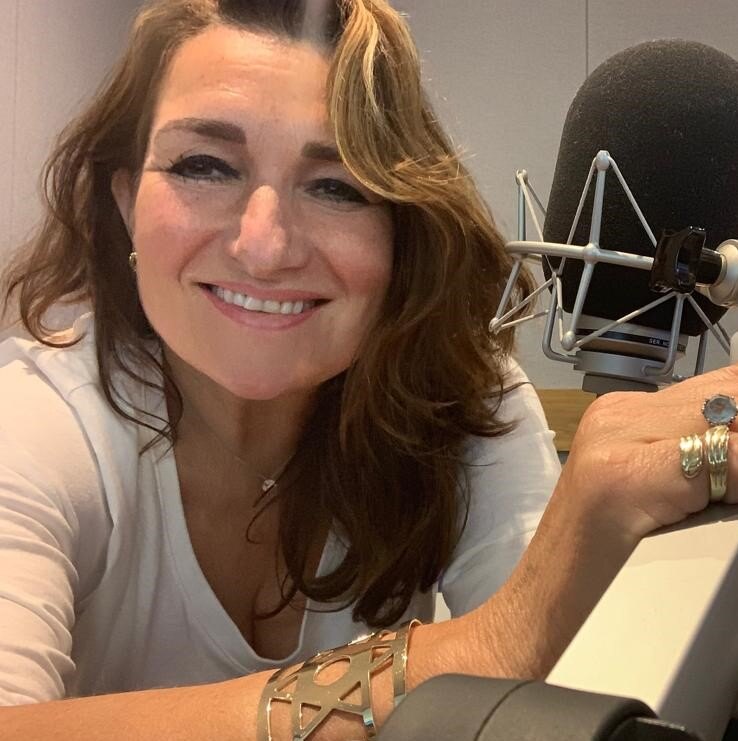
Susan Bookbinder

Susan Bookbinder

Senior Journalist Tutor

Susan has over 30 years' experience as a radio and TV presenter reporting on numerous historical news and sporting events for the BBC, Sky, Channel 4 News, GMTV and ITN, among many others. She is a columnist for The Jewish Telegraph and has chaired many corporate and charity events around the world, including government summits, corporate dinners, award ceremonies and product launches. She has also written content and presented on corporate videos for numerous clients and across multiple industry sectors. Susan was the first woman to read the national classified football results on British radio and is a Patron of Action Duchenne, a charity campaigning for a cure to a debilitating wasting disease.
chris-maughan

Chris Maughan

Senior Journalist Tutor

Chris is a highly respected reporter, presenter and producer and has a wealth of experience after more than 20 years with ITV in the south of England. His career began in the print media during which time Chris contributed many front page stories to national newspapers. After moving into television Chris became a familiar face on ITV Meridian, having presented the regional shows Meridian Tonight and Thames Valley Tonight. He has also represented ITV Sport at football and rugby world cups. Since leaving ITV in 2009, Chris’s writing, presenting and production skills have been in demand by numerous media organisations, including Sky, ITV News, leading news agencies and production companies. In recent years Chris has also advised numerous clients ranging from multi-national companies to charity organisations on how to maximise opportunities with the media.

WHY ORGANISATIONS CHOOSE MEDIA FIRST

Realistic exercises. Practical insights. Better preparedness.

Every exercise is tailored to your organisation, your risks and your objectives.

Using realistic scenarios, experienced facilitators, digital simulation tools, role players and working journalists, we create exercises that closely reflect the pressures organisations face during a real crisis.

Every engagement concludes with practical recommendations and clear actions designed to strengthen preparedness, communication and decision-making.

LET'S TALK

How confident are you in
your crisis plans? Let's test them.

Whether you're looking to validate existing plans, test decision-making
processes or run a large-scale crisis simulation, we'll help you identify the
right exercise for your organisation.

FAQS

Frequently asked questions.

How realistic are your crisis exercises and simulations?

Realism is central to effective crisis testing.

A successful exercise should recreate the uncertainty, pace and complexity of a genuine incident rather than simply walk participants through a theoretical scenario. That's why we design every exercise around your organisation, your risks, your stakeholders, and the challenges you are most likely to face.

Depending on the objectives, exercises can include realistic media scrutiny, stakeholder pressure, social media activity, leadership challenges, regulatory engagement and operational complications. We can incorporate experienced journalists, simulated media interviews, realistic stakeholder interactions and technology-driven exercise platforms to create a more immersive experience.(The sources confirm bespoke, realistic and simulation-based exercises, but do not specifically mention Conducttr or current journalists on this page, so I'd treat those examples as service elements you choose to include rather than cite them as page content.)

Importantly, our exercises are designed to evolve. Decisions made by participants can influence the direction of the scenario, creating a more realistic environment where teams experience the consequences of their actions, communication choices and decision-making processes. This helps organisations understand not just whether plans work, but how people and processes perform when events become increasingly complex and unpredictable.

The objective is to create an experience that feels authentic enough to reveal genuine strengths, weaknesses and opportunities for improvement before a real crisis occurs.

Will a crisis exercise test our plans or our people?

Both.

A well-designed exercise examines how plans, processes, technology, governance and communication arrangements perform under pressure. It also explores how individuals and teams make decisions, share information, prioritise actions and respond to changing circumstances.

The most valuable exercises assess how all of these elements work together rather than testing any single component in isolation.

Can exercises be based on our own risks and scenarios?

Yes.

Every exercise is bespoke and designed around your organisation, industry, risk profile and objectives. Scenarios can be based on existing organisational risks, emerging threats, recent incidents or specific concerns identified during a preparedness review.

This creates a more realistic experience and produces findings that are directly relevant to your organisation.

Do participants need crisis management experience to take part?

No.

Exercises can be designed for experienced crisis teams, senior leadership teams, communications teams or organisations with limited exercising experience.

The level of complexity, pace and challenge is built around the participants, their responsibilities and the objectives of the exercise.

How does crisis testing fit with training and consultancy?

Many organisations combine all three.

Consultancy helps identify weaknesses and opportunities for improvement. Training develops the skills and confidence people need to perform effectively. Testing validates whether plans, processes and people can work effectively together under pressure.

Used together, they provide a more complete approach to crisis preparedness and organisational resilience.

What happens after the exercise?

Every exercise should lead to improvement.

Participants typically receive a structured debrief, observations on what worked well, identification of gaps or vulnerabilities, and prioritised recommendations to strengthen preparedness.

The findings can then inform plan updates, further testing, targeted training, or broader crisis preparedness initiatives.