Skip to content
crisis comms doorstep hero
TRAINING · CRISIS COMMUNICATIONS TRAINING

Build confidence before the pressure arrives.

When a crisis hits, communication can shape trust, confidence and reputation.

Media First helps leaders, spokespeople, communication teams and customer-facing staff develop the skills and confidence to communicate effectively under pressure.

WHY IT MATTERS

Plans don't communicate.
People do.

Even the best crisis plans depend on people having the confidence and skills to use them effectively.

Crisis training helps individuals understand their role, communicate clearly under pressure and make better decisions when information is incomplete and scrutiny is increasing.

The result is greater confidence, stronger communication and more effective crisis responses that protect reputation and maintain stakeholder trust.

TRAINING FOR DIFFERENT ROLES

Different responsibilities. Different training needs.

01

Crisis Leadership Training

Help leaders make decisions, support teams and communicate with confidence during challenging situations.

Develop practical leadership, stakeholder management and communication skills that enable leaders to remain visible, credible and effective when pressure is highest.

02

Crisis Communications Training

Prepare communication teams to manage stakeholder expectations, deliver timely information and support effective decision-making during fast-moving situations.

Learn how to manage scrutiny, protect reputation, develop clear messaging and help organisations communicate with confidence under pressure.

03

Spokesperson Crisis Training

Prepare leaders and subject matter experts to deliver holding statements, media interviews and public responses when scrutiny is highest.

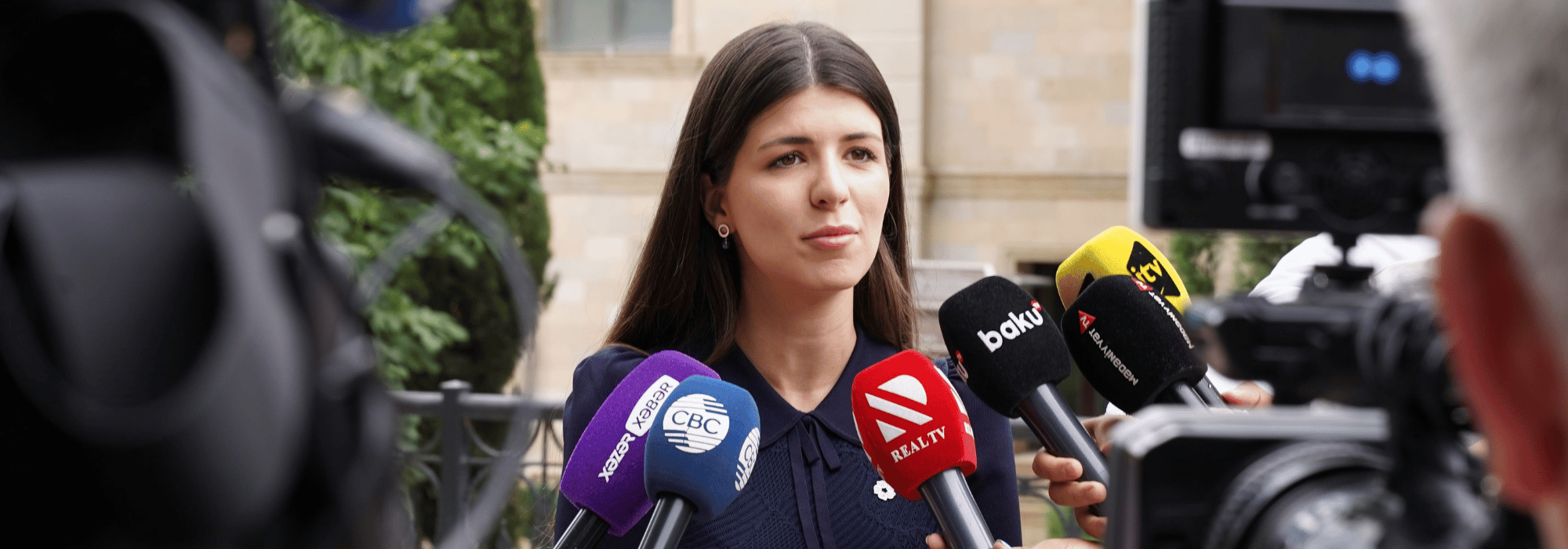
Training can include broadcast interviews, hostile questioning, live media scenarios and doorstep interviews.

04

Crisis Awareness Training

Short practical sessions designed for customer-facing teams and other employees.

Help staff recognise emerging issues, understand escalation processes and know when and how to raise concerns before they become larger problems.

REALISTIC LEARNING EXPERIENCES

Practical training. Real-world scenarios.

People learn best through realistic practice.

Our training combines practical exercises, role play, interview practice, simulated stakeholder pressure and realistic crisis scenarios designed around the situations participants may actually face.

Depending on the training course, training can include media interviews, leadership decision-making exercises, holding statements, stakeholder communications and issue escalation scenarios.

Training can be delivered online, in person or as part of wider crisis exercises and simulation training.

WHAT PARTICIPANTS LEARN

Confidence comes
from practice.

Effective crisis responses rely on people having the confidence,
skills and judgement to perform under pressure.

Decision-Making Under Pressure

Build confidence in making effective decisions when information is incomplete, situations are evolving and scrutiny is increasing.

Clear Crisis Communication

Learn how to communicate clearly, consistently and confidently during periods of uncertainty and change.

Holding Statements & Key Messages

Develop messages that provide reassurance, demonstrate action and maintain credibility with important audiences.

Media Interviews & Scrutiny

Prepare for challenging interviews, media questioning and public scrutiny through realistic practice and expert feedback.

Stakeholder Confidence

Understand how to communicate with employees, customers, regulators, partners and other stakeholders during difficult situations.

Issue Escalation

Recognise emerging risks, understand escalation procedures and know when to involve communications or leadership teams.

Supporting People Through Crisis

Learn how to support colleagues, customers and stakeholders through uncertainty with confidence and empathy.

Crisis Team Working

Strengthen collaboration, communication and coordination across crisis response teams and leadership groups.

BUILDING CRISIS CAPABILITY

Training, testing and
consultancy working together.

Crisis training is most effective when it forms part of a wider approach to preparedness.
Many organisations combine crisis training with consultancy reviews and crisis exercises.

Step 1

Review

Identify gaps and opportunities for improvement.

Step 2

Test

Validate plans and challenge assumptions.

Step 3

Train

Build the skills and confidence people need to perform effectively

MEET SOME OF THE TRAINERS

Experienced trainers.
Real-world expertise.

Media First trainers include experienced journalists, broadcasters, communication specialists and leadership advisers who have spent their careers operating in high-pressure communication environments. They bring practical insight, real-world experience and expert feedback to every training course. 

Sean Ryan Trainer

Sean Ryan

Strategic Communications & Crisis Resilience

Supports organisations with strategic communications, crisis management, leadership communication and reputation protection. Drawing on more than 30 years' experience in frontline journalism and senior communications leadership, including roles at The Sunday Times and Save the Children, Sean helps leaders make confident decisions, communicate clearly under pressure and build organisational resilience before a crisis occurs.
Victoria Smith

Victoria Smith

Media & Communication Skills

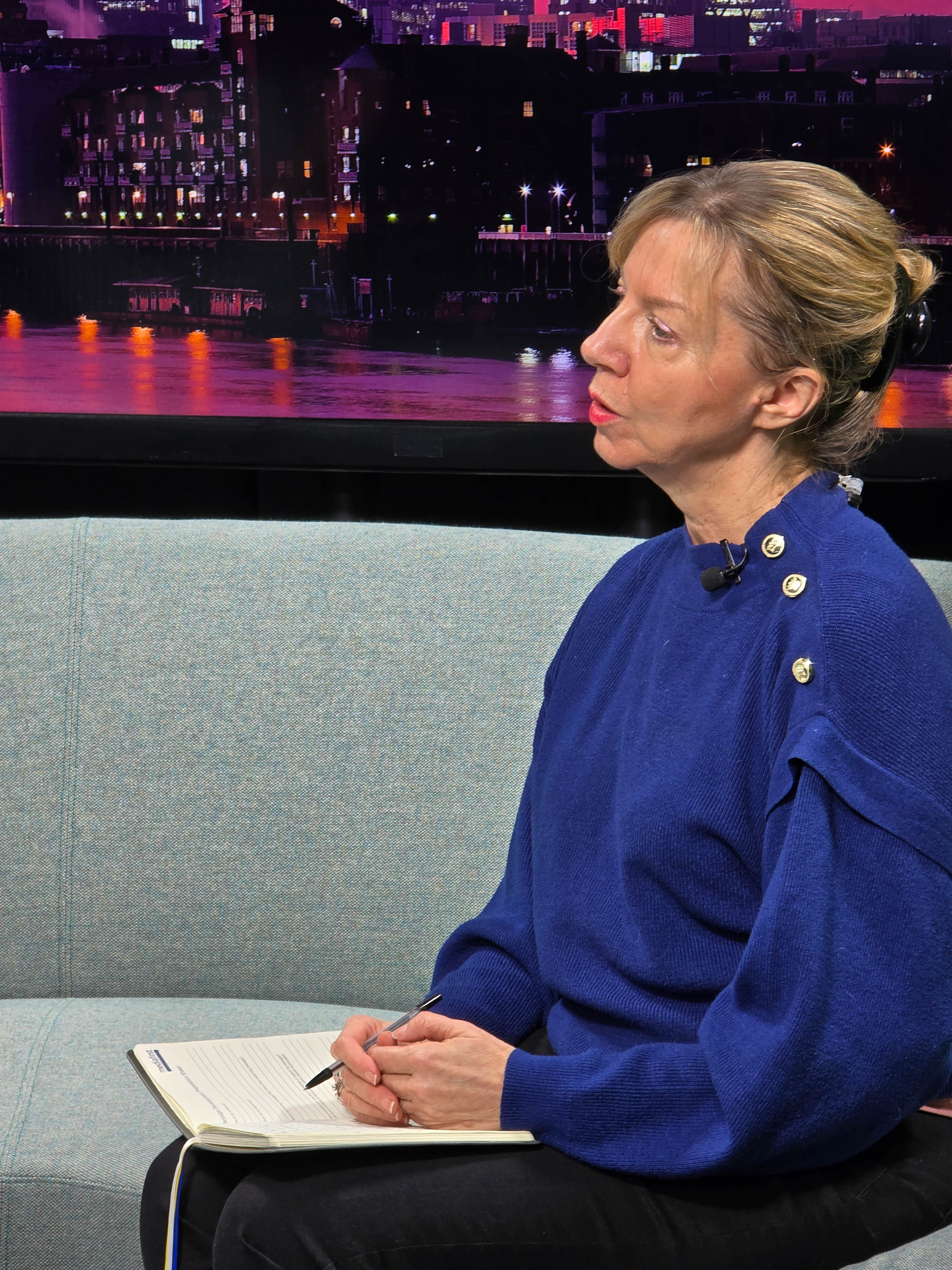
Supports organisations with media training, executive communication, presentation skills and stakeholder engagement. Drawing on extensive experience as a TV, radio and print journalist with the BBC, ITV, Sky News and other major broadcasters, Vic helps leaders communicate complex issues with clarity, confidence and credibility, whether facing the media, speaking at events or engaging key stakeholders.

Elisa Colton, Media First trainer

Elisa Colton

Strategic Communications & Change

Supports organisations with strategic communications, stakeholder engagement, organisational change and reputation management. Drawing on nearly 20 years' experience in journalism and communications, including senior roles at the BBC and Al Jazeera, Elisa helps leaders communicate complex issues clearly, build trust with stakeholders and navigate change with confidence.

Laura Trant Media First Trainer

Laura Trant

Media & Presentations Skills

Supports organisations with media training, presentation skills and executive communication. Drawing on more than two decades of broadcast journalism experience, including roles as a BBC news correspondent, presenter and reporter, Laura helps spokespeople communicate with confidence, tell compelling stories and deliver clear, engaging messages across media interviews, presentations and public events.

Sophie Long Media Trainer

Sophie Long

Media & Communication Skills

Supports organisations with media training, executive communication and stakeholder engagement. Drawing on 25 years of broadcasting experience, including more than two decades as a BBC correspondent and anchor, Sophie helps leaders communicate with confidence, handle complex interviews and deliver clear, credible messages under pressure.
Paul Brennan Media Trainer

Paul Brennan

Media & Communication Skills

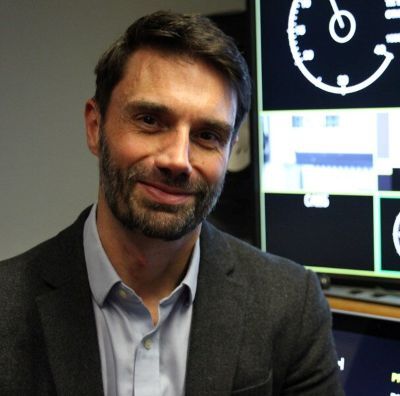
Supports organisations with media training, presentation skills and executive communication. Drawing on extensive experience as a broadcast journalist, presenter and producer, Paul helps leaders communicate with clarity, confidence and authority, whether handling media interviews, presenting to stakeholders or delivering key messages under pressure.

Tasneem Siddiqi

Tasneem Siddiqi

Media & Communication Skills

Supports organisations with presentation skills, executive communication and media training. Drawing on a 30-year career in television and radio journalism, including roles with the BBC and BFBS, Tasneem helps leaders communicate with confidence, increase their impact and build stronger connections with audiences.

Mark McQuillan Media First Trainer

Mark McQuillan

Media & Executive Communication Skills

Supports organisations with executive communication, media training and leadership presence. Drawing on extensive experience as a broadcast journalist, presenter and communications coach, Mark helps senior leaders communicate with clarity, confidence and credibility in high-pressure, high-visibility environments.

Susan Bookbinder Media First Trainer

Susan Bookbinder

Media, Presentations & Communication Skills

Supports organisations with presentation skills, media training and executive communication. Drawing on an accomplished career as a television presenter, journalist and conference facilitator, Susan helps leaders engage audiences, deliver compelling messages and communicate with confidence across a range of platforms.

Chris Maughan Media Trainer

Chris Maughan

Media & Crisis Communication

Supports organisations with media training, crisis communication and presentation skills. Drawing on decades of experience as a television reporter, producer and journalist, Chris helps spokespeople communicate effectively under pressure, handle difficult questions and deliver clear, credible messages.

Howard Bentham Media Trainer

Howard Bentham

Media & Communication Skills

Supports organisations with media training, presentation skills and executive communication. Drawing on extensive broadcasting experience in radio and television journalism, Howard helps leaders communicate with confidence, simplify complex topics and connect effectively with diverse audiences.

Mike Pearse Media Trainer

Mike Pearse

Media & Presentation Skills

Supports organisations with media training, presentation skills and executive communication. Drawing on extensive experience in television journalism and broadcasting, Mike helps spokespeople communicate naturally, present with greater impact and build confidence in front of audiences and cameras.

Toby Sadler Media Trainer

Toby Sadler

Mobile Media & Communication Skills

Supports organisations with mobile journalism, content creation and communication skills. Drawing on extensive experience in broadcast journalism and digital storytelling, Toby helps organisations create engaging content, communicate more effectively and build confidence using mobile technology.

Charles Abel Media Trainer

Charles Abel

Crisis & Reputation Management

Supports organisations with crisis management, reputation protection and strategic communication. Drawing on extensive experience advising organisations through high-profile incidents and periods of scrutiny, Charles helps leaders make better decisions, communicate effectively and protect trust when it matters most.

Jane Deith Media Trainer

Jane Deith

Media & Communication Skills

Supports organisations with media training, presentation skills and executive communication. Drawing on extensive experience as a broadcaster and journalist, Jane helps leaders communicate with authenticity, tell compelling stories and deliver messages with confidence and impact.

Judy Aslett Media Trainer

Judy Aslett

Media & Communication Skills

Supports organisations with media training, presentation skills and executive communication. Drawing on a distinguished career in broadcast journalism and current affairs, Judy helps spokespeople communicate clearly, remain composed under pressure and connect more effectively with audiences.

Josie Gammell Media Trainer

Josie Gammell

Media & Presentation Skills

Supports organisations with media training, presentation skills and public speaking. Drawing on extensive experience as a broadcaster and journalist, Josie helps leaders communicate with confidence, engage audiences and deliver memorable messages across interviews, presentations and live events.

THIRTY SEVEN

Practice makes permanent.

Turn training into lasting capablity
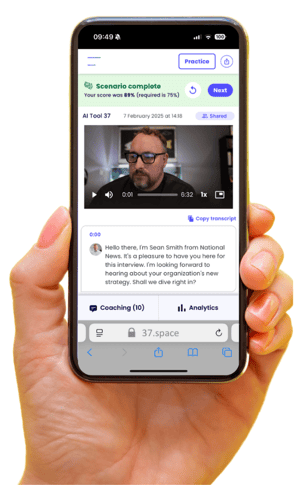
Every delegate receives 30 days' complimentary access to Thirty Seven, our AI-powered communication coach.

Practise challenging conversations, media interviews and presentations whenever you want, receive instant feedback and continue developing long after your course has finished.

handphone1

Trusted by leaders, experts and 
high-performing teams.

When reputations, stakeholder trust and business continuity are on the line,
organisations turn to us to help their people communicate with confidence under pressure.
From leadership teams to crisis communication specialists, here is what our clients have to say.

Trustpilot 5 stars

View over 1,700 customer reviews on Coursecheck

★ ★ ★ ★ ★

"Excellent training - it was highly relevant and a great combination of comms crisis strategy and practical tips with precise, meaningful feedback to keep everyone engaged throughout - impressive!"

Sonja W
★ ★ ★ ★ ★

"Brilliant insight from true professionals - thank you for today."

Martin S
★ ★ ★ ★ ★

"Warm and friendly. Very practical without too much pressure. Simple frameworks that can be used in real life (and remembered) " 

Lee P
★ ★ ★ ★ ★

“I was quite nervous about the prospect of speaking on television and radio. But Media First have given me the confidence to be able to do it. I’m incredibly grateful to Media First. I learnt that people want to hear about people. I now look forward to delivering important student messages in broadcast interviews.”

★ ★ ★ ★ ★

“I took the media first training because I had a little bit of experience in media interviews but found that I would stick to the script and not come across very naturally. I’d cling to facts and figures and I really wanted to improve my technique.”

★ ★ ★ ★ ★

“I found the whole experience absolutely fantastic. I didn’t know what to expect but the instructors were really kind and gave really fantastic advice. I know my fellow senior public affairs officers found it really good as well. And now I feel ready to take on any media interview I might get as part of my job.”

CASE STUDIES

Real situations. Practical
support. Better outcomes.

Every organisation we work with faces its own pressures. These examples show how
practical support helps teams communicate more effectively when it matters.

Crisis preparedness

Testing how a team would respond when pressure builds

Challenge

The organisation wanted to know whether its crisis communication plan would work in a realistic, fast-moving situation.

SOLUTION

We designed a practical crisis exercise with media pressure, stakeholder questions and decision-making challenges.

OUTCOME

The team identified gaps, improved its response process and gained clearer confidence in how to communicate during a real issue.

View Case Study
CRISIS TESTING

Testing preparedness through a 24-hour crisis exercise

Challenge

Arcadis wanted to test how its global communications teams would respond to a fast-moving crisis that evolved over 24 hours and moved between teams in Europe, North America and Australia.

SOLUTION

Media First designed and delivered a 24-hour global crisis simulation using the Conducttr platform, testing media handling, stakeholder communications, leadership visibility and global handovers.

OUTCOME

The exercise identified strengths in media handling and global coordination, while highlighting opportunities to improve message escalation and leadership visibility during complex incidents.

View Case Study
LEADERSHIP DEVELOPMENT

Building leadership and management capability at White Cube

Challenge

Managers promoted for their professional expertise needed practical people-leadership and communication skills.

SOLUTION

A bespoke leadership and management development programme combining coaching, feedback practice and communication skills.

OUTCOME

Managers reported greater confidence in difficult conversations, delegation and leading teams through change.

View Case Study

FREE LEARNING

Crisis communication tips you can use today.

A selection of short videos from our free learning library, covering brand reputation and crisis response.

The importance of brand image

What's your brand image? Do you have a good reputation among your customers and the media?

In this short video, journalist and trainer Victoria Smith explains why brand image is crucial and how to maintain a good reputation during a crisis.

How to communicate during a crisis

How should you communicate when a crisis strikes your organisation?

In this short video, journalist and trainer Victoria Smith outlines what to include in your crisis communication and the importance of responding quickly.

How to handle a doorstep interview

Could you cope with journalists gathering outside your front door? Doorstep interviews are particularly daunting and have tripped up many spokespeople.

In this short video, journalist and trainer Elisa Colton steers you through the best approach to take in this situation.

LET'S TALK

How confident are
your people?

Whether you're preparing leaders, developing communication teams, training
spokespeople or building organisation-wide awareness, we'll help you
identify the right training course.

FAQS

Frequently asked questions.

Who will deliver our training?

Our training puts you in the hands of the experts - current working journalists.

That means you will work with people who know what it takes to communicate effectively during the most stressful and unpredictable times. And who are best placed to advise on what the media looks for during a crisis.

But they are not just brilliant journalists who have worked on the frontline of some of the biggest stories.

They are also experienced trainers who can pull on extensive first-hand experience of helping organisations of all shapes and sizes ensure they are crisis-ready.

Will our session be tailored to our organisation and sector?

Yes, all our crisis communication courses are bespoke. There is no one-size-fits-all approach to crisis comms training. We believe it must feel realistic and believable and push your delegates. So, we will work with you to understand your concerns, risks and vulnerabilities. And we will design a course that meets your needs and objectives and ensures you can communicate with clarity and confidence if the worst happens.

What are the benefits of crisis communication training?

Crisis management training has many benefits, both for your organisation and your delegates. Here are just a few:

  • Improved awareness of the reputational risks for your organisation
  • Better understanding of what to expect when crisis strikes
  • Improved ability to communicate quickly and effectively when the worst happens
  • Confident comms teams and spokespeople who can communicate with clarity, empathy and authority under the most intense media pressure
  • Enhanced understanding of roles and responsibilities during a crisis, both among communications professionals and senior leaders
  • Ensuring every member of your crisis team understands their role and can contribute effectively in different crisis scenarios
  • Transferable skills and influencing strategies
What post-course support will I receive after training?

Effective crisis communications and crisis management require more than a training day. And we are great believers in the importance of continual learning, support, access to new resources and the ability to stay on top of your crisis skills. So, you will have the option to give your delegates access to our online learning Essential Crisis Management course for 12 months after your course. This self-study course is a great way to keep your crisis communications skills sharp. Sign up to our blogs, and you will have access to regular analysis of how organisations have managed their reputation in the crisis spotlight. As well as tips and advice on what could have been done differently. The blogs are hugely popular with PR and communications professionals. And they often contain practical resources to aid your crisis response, including risk register and holding statement templates.

Who should attend crisis communication training?

Our courses are for everyone who needs to be better prepared for crisis incidents. Typically, we provide training for:

  • Senior management teams

  • Public relations and communications professionals
  • Members of crisis response teams
  • Social media team members
  • Crisis spokespeople

But everyone in your organisation should have some understanding and awareness of crisis management.

If something goes wrong in your organisation, would your receptionists, security officials and maintenance staff - who all tend to wear branded clothing - know what to do if they were approached by a journalist?

What support do delegates receive after the training?

Development does not end when the course finishes.

Delegates receive detailed feedback and continued access to learning resources designed to reinforce and extend the training. Many programmes also include complimentary access to Thirty Seven, our AI-powered communications coach, enabling participants to continue practising key skills after the facilitated training has ended.